

Types of Aggression and Behaviors
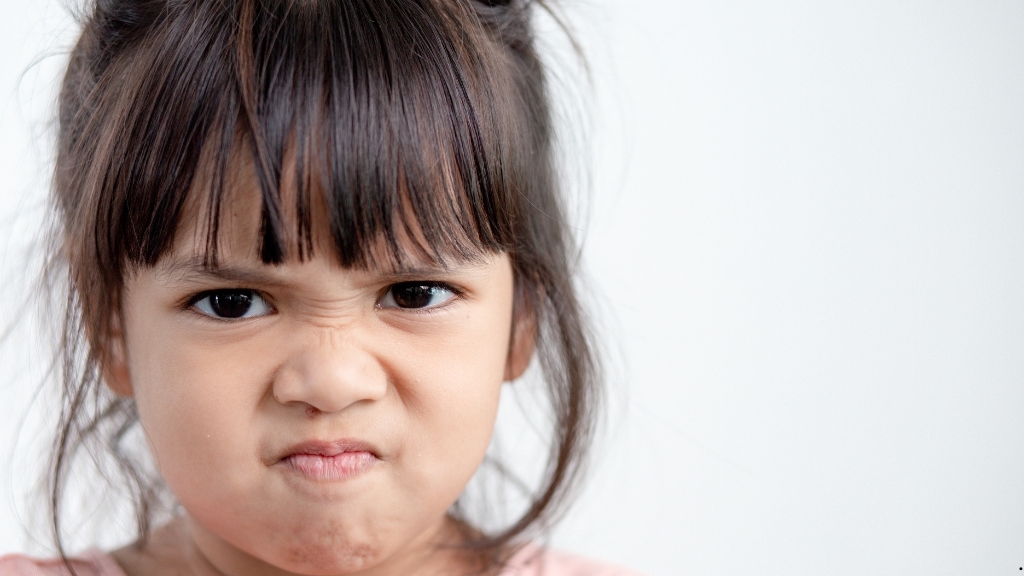
Verbal aggression: shouting, swearing, bullying.
Verbal aggression is less common in young children (3-5 years old) given their language level. However, it can occur with shouting and anger outbursts that usually occur when they experience frustration or when their need is not immediately met.
Other times it may occur after the birth of the second or next child, especially when the parents have not prepared for the arrival of the child and the changes that will inevitably occur.
As far as the school period is concerned, verbal aggression is usually directed at the next adult who is the child's reference person, the class teacher. However, very often the swearing or insults are aimed at the child's classmates, especially those who cannot easily defend themselves, so in extreme cases it turns into bullying.
For older children who are in prepubescence and adolescence, aggression can manifest in a more organized system and more easily develop into bullying (bouling): threats, verbal abuse, insults and insults are used with a total lack of empathy towards the victims.
In general, verbal aggression is defined and interpreted very differently based on the age range and the domestic situation in which the child is growing up.
Physical violence
In some cases it occurs physical violence. Children who are unable to regulate their emotions at all attack with blows - pushing, kicking, kicking, slapping, punching or spitting - usually accompanied by shouting and intense movement.
In the context of verbal aggression, they can be carried away by their emotions, the inhibition of impulse control can be lifted and they can commit such acts.
Aggression at school or nursery
More and more incidents are described at school by teachers and educators about tensions and fights between classmates. The causes may vary from child to child as well as the ways in which aggressive behaviours manifest themselves.
It is alarming that the percentage of children younger who are unable to control their behaviour. In anger, they may “raise their hand”, become abusive and even worse, fail to realise that this action is not allowed. An important factor in these behaviours is the relationship that develops within the family and how prohibitions and boundaries work on the one hand and how emotions are handled on the other.
The children who usually use violence at school also use violence at home against parents who did not prohibit this behaviour towards them in time.
Self-injury
Among the categories of violent behaviour that concern experts is the self-injury, which is the most alarming type of aggression.
Self-injury indicates a complete inability to control and regulate emotion in the face of intense anger or depressed mood.
Often, it is found in children with neurodevelopmental disorders and is accompanied by a low level of cognition, as the person is unable to structure his/her thinking and verbally express his/her dissatisfaction. Thus he turns his primary aggressive instincts towards himself.
In a few psychiatric or autistic spectrum cases, self-harm may indicate self-punishment due to altered/rigid beliefs in relation to guilt.
The consciousness of the act changes with age and usually, in early childhood, shown with:
-Hitting the head and face with the hands or against the floor or wall.
-Bites of hands and fingers
-Drawing hair
-Ear pulling
-Convocation of vomiting
-Stings in the body.
At school age is more rare, is more covertly presented and usually occurs with:
-Cuts
-Kicking fists against the wall or hard surfaces
-Trichotillomania (pulling hair from the body)
-In some cases of neurodevelopmental disorders, additional bites and blows to the body occur.
In adolescence we often encounter:
-Cracks from sharp objects
-Cuts
-Evocations
-Extreme onychophagia
-Bumps on hard surfaces
Adolescent aggression:
In adolescents, special attention needs to be paid to the recognition of aggression in relation to the behaviours that are expected due to the specific developmental age.
It is divided into self-induced and aggressive behaviour towards third parties.
In the first, the person feels the need to either punish himself, draw attention to himself, or ask for help in a deviant way.
In the second case, the severity of the situation is judged by the frequency of the acts, the personality profile and the relationships within the family environment.
The living conditions of the adolescent determine his/her behaviour towards his/her social, friendly and family environment.
Most often aggression is directed at parents, using means of verbal or physical violence. The adolescent is so opposed that he or she is unable to control the impulse and becomes aggressive or even delinquent in order to channel the anger experienced.
In some cases, this behaviour is generalised in external environments through offending and oppositional acts, which the adolescent minimises or maximises according to the support or help received.
Delinquency starts from small behaviours of not following rules or laws and can lead to serious criminal acts such as stealing, vandalism of property, violent intimidation with severe beatings and even the use of weapons.
Causes Behind Aggressive Behaviour
Developmental causes:
Apart from the age of 2- 3 years (“terrible two”) they appear outbursts of anger, defiant behaviour and frustration in many typical children, for the remaining cases the developmental causes are in severe language disorders such as speech delay, genetic syndromes, specific language disorder.
Aggressive behaviors are exhibited due to developmental deficits that interfere with the normal regulation of emotion.
In older ages, anxiety disorders, depressive and psychotic episodes are added, where aggression manifests as a symptom of internal conflicts of the psyche.
Emotional causes:
Emotional causes usually involve psychogenic and environmental conditions or pressures that the child is unable to cope with.
Changes such as the arrival of a sibling, a parental divorce, a move, a change of school, a recent bereavement or even a heated rivalry between friends can cause aggressive behaviour.
Low self-confidence and low self-image can also bring about aggression as a reaction to combat this false impression of the self.
In the youngest children, aggression usually manifests itself due to separation anxiety by the mother. The child is unable to cope with the absence of the parent in a new environment or even at home, cries, screams or fights intensely, and sometimes, may hit others around him or herself.
At older ages, some teenagers build more vulnerable personality structures with a strong need to replenish an internal void they are experiencing. That is why they seek to join groups or gangs in order to secure the sense of belonging“ that is more powerful than the potential violence they would inflict on a third person.
Neurodevelopmental disorders:
Autism and aggression.
Another major area where we need to pay particular attention is the autism spectrum disorder and in particular childhood autism.
The resulting aggression is often rooted in the person's difficulty to process the stimuli of the environment and to express his or her needs in a more mature way.
Also observed through aggression is the wrong way of communication. Many children are unable to interact effectively and use clumsy ways of communicating by attacking, shouting or hitting the other person.
In this context, structured educational approaches such as the TEACCH method can help create stable and predictable learning and behavioural structures for children with autism and related difficulties.
Stereotypical interests, repetitive routines and the tendency to isolation create deviant behaviours that may coexist with aggression. This is because they cannot fully regulate their sensory system through the process of sensory integration and seek proprioception sometimes through more sudden movements such as biting, pinching or hitting.
The most deviant and serious type of aggression is self-injury, which is mainly manifested through tantrums and meltdowns.
ADHD
The other major category of disorders in which we sometimes see aggression is ADHD (attention deficit hyperactivity disorder).
People with attention deficit hyperactivity disorder often have as a main characteristic impulsivity. That is, they tend to act on a whim, displaying behaviour characterised by little or no foresight, reflection or consideration of consequences.
Therefore, impulsive behaviour can result in a lack of control of an action that precedes thought, and so outbursts of anger can turn into violent behaviour, such as hitting the body, face, etc.
Occasionally these behaviours can lead to oppositional or challenging behaviours, which if not mitigated risk consolidating the aggressive behaviour and generalising to many different environments outside the home.
Mimicry of a violent environment:
It is widely known that the first stage of children's learning is the learning of the imitation. That's why she needs to pay special attention to what she sees, hears and experiences in the home.
Ο mimicry is a common phenomenon found in the causes of aggressive behaviors. A violent parental behaviour can act as a mirror for the child and to consider such behaviour permissible and acceptable, and therefore to repeat it.
The same can happen at school, where children, in order to be liked and feel integrated into a group, may imitate behaviours that are not of their own temperament. Even worse when they have been accepted bullying may be met with corresponding violence especially when the environment does not give the appropriate attention (listening, support, understanding, sympathy).
At the same time the excessive exposure to screens containing violent content (video/youtube etc.) reinforces aggressive behaviours, initially as innocent play that can later turn into wild scenes of violence.
Nervous children:
Many people wonder if it is normal for a child to be labeled as nervous? The nervous children do not necessarily have a pathological temperament but they do have characteristics that fall within a wider pathological phenotype.
High level of agitation, anger outbursts, nervousness, hyperactivity, impulsiveness, moodiness, low tolerance for frustration, lack of self-image are some of the characteristics of “nervous children”.
As these are quickly appeased, it can be argued that the personality and temperament that is built is greatly influenced by the issues of nurturing and boundary setting in the home.
However, as long as these characteristics are not normalized on their own or by the family environment, specialists need to intervene in order for the child to regulate his/her behavior and not to establish challenging and aggressive patterns.
Kids Who Hit Others or Themselves
Young children may show aggression especially towards parents, mother and less often father. This is to express their anger or even fear.
When they experience a frustration or a limit when they are not used to it by the parent then often in order to get their own desire to prevail, they hit the reference person and thus intensify their nervousness.
The parent, on the other hand, when he or she allows this behavior, becomes in a way accomplice of aggression and instead of eliminating it, it consolidates it in a pattern of bonding with the child where the messages are usually double and contradictory: “hit me to give you what you want”.
Of course they complain afterwards and recycle their child's behavior without being able to stop it and enter a vicious cycle where hitting becomes a pattern of negative attention to the child.
The child beats himself:
The child who hits himself is perhaps the most worrying case of aggression type. In typically developing children, without other apparent difficulties, this behavior may indicate an intense internal tension, stress or anxiety.
It is rare and usually occurs in an unexpected circumstance where the child cannot channel his or her anger in any other way. It occurs in more vulnerable personalities with little impulse control.
The purpose is to feel his body better because it is precisely the primary psychic envelope “of the dermal ego” (“le moi-peau”, Didier Anzieu, psychanalyste 1974) which sets the boundaries between the individual and the environment, is not sufficiently protected, does not contain and unify the child's experiences or thoughts.
To the children who are in the autistic spectrum their self-hits mainly involve a sensory dysregulation in which they try to balance the hypo- or hyper-sensitivity they feel.
Behaviour in kindergartens and school:
More and more incidents of violent fights between classmates and aggressive behaviour in the classroom or at break time are reported in kindergartens and at school.
The lack of boundaries from the home and the role of differentiated parents often encourage such behaviours to flourish. The unconditional provision of material goods and total responsiveness to children's wishes make a system without the necessary mental distance between the members.
The child grows up as “child king dwelling on the illusion of an omnipotence he cannot manage outside the home and attacks.
The relationship between parents and teachers is experiencing simultaneous shocks, the fatigue of teachers and the shortcomings of the education system reinforce the poor climate that often prevails within the school. This climate acts as substrate the manifestation of violent behaviour.
It becomes a vicious circle where the parent charges the teacher for the education of the child and the teacher on the other hand expects the recognition and admiration from the parent to be passed on to the child. One throws the ball to the other and the “child king” operates undisturbed.
When a child grows up without “solid” and mature adults who set boundaries, context and hierarchy in the home, he builds relationships in which he behaves in the same way:
-intense rivalry
- low tolerance to cancellation
- nervousness/hyperstimulation
- rigidity/lack of empathy
When your own child is the victim:
When your own child is the victim and is being beaten by other children at school, the teacher and, when available, the school psychologist are the first to investigate.
It is advisable not to show panic just to avoid creating more tension in your child. Of course you should not, on the other hand, underestimate the situation.
The most important thing is to listen to your child about how things got to that point. Communicating with the child even before he or she joins the school is imperative to prevent such situations.
The more he learns to share his experiences and thoughts, the less he is afraid to react and face difficult situations with his peers and the wider environment.
But if they still seem more vulnerable and are being bullied, threatened or even beaten up, encourage them to talk to the teachers and in a second time you yourself.
If the situation is not remedied immediately, then all the relevant bodies of the child's school levels need to intervene hierarchically in order not to endanger the child's physical or mental integrity.
Dealing with Aggression by Age
Infancy (2-4 years old):
In young ages, dealing with aggression requires calm, stability and boundaries without punishment.
Often when anger outbursts occur at these ages, from 2-4 years old, the child does not realize what he is doing, is in a state of low consciousness and contact with the environment and is fully focused on his anger.
This means that the adult's shouting and intensity usually makes the adult's behaviour worse.
At a second time, when the child is calm, the parent should discuss with the child the specific behaviour, see together what caused it and how he or she feels about it. Only then can the child listen and understand the parent and modify the behavior one next time.
Childhood (5-9 years old):
At older ages from 5-9 years old the child matures empathy and the theory of mind, i.e. the ability of the child to understand the needs, feelings and intentions of the other person so that he or she can put him or herself in his or her place.
Therefore aggression changes nature and from primitive becomes more targeted. At this stage, positive dialogue is much more effective than punishment.
We explain to the child the consequences of a negative action and we are betting that he will be able to understand what he has caused the third person with his aggressive attitude. The boundaries that have been set in the family help the boundaries that he will also create with his contacts.
We always communicate our experiences, feelings and our value system to the child so that he or she can distinguish the red lines that will be drawn in interpersonal relationships.
We also try to understand the underlying causes of aggression beyond the act itself. The child who attacks is usually wounded, vulnerable and insecure.
He's using the only way he has left for get attention, ask for help and be heard, even if in the wrong way.
It is good to express our understanding by saying “I understand that you are angry but.....”. In this ’but“ every parent, knowing all the circumstances, can open the dialogue and pass all the messages he wants to make it easier for his child in the next times.
Puberty:
During adolescence, aggression can reach extreme levels so it needs to be managed very carefully.
In searching for the causes, we mainly try to identify the negative emotions and evaluate the dynamics of relations that the teenager builds:
- How many and what kind of interactions does he have from the school environment?;
- How many outside?;
- What are his interests?;
- Where is his love life?;
- What kind of family environment does she live in?;
- How much has he invested in the school's learning process?;
- What are its motivations and objectives?;
- What is its relationship with addictive substances or habits?;
All of this affects the way it relates and functions.
Η psychoeducation helps the adolescent to identify his/her feelings and experiences, to resolve the deadlocks he/she experiences and how to manage anger.
The psychologist, in cooperation when necessary with the child psychiatrist need to intervene when the adolescent shows symptoms of anxiety, delinquent or oppositional behaviour, a sharp drop in academic performance, prolonged substance use or addictions, phobic elements, inability to socialise.
All ages:
At all ages it is necessary to understand that child aggression needs detailed investigation and no hasty conclusions. Each child is assessed individually and the causes that cause it vary greatly from child to child.
A firm attitude, discussion and communication with the child are essential to normalize the child's behavior. Punishments do not bring about any positive results, on the contrary, they exacerbate aggression.
The more we instill our value system in our children, the more we subtly interfere with the way they will relate in life.
After all, adult behaviour acts either as a role model or as a “bad mirror” for the child.
Aggression and Developmental Difficulties

Autism:
At autism aggression often occurs due to inability to communicate and sensory dysregulation. Parents need to be well informed about the issues of parenting and ways of dealing with the anger outbursts.
Some of the therapeutic interventions are aimed at modifying the child's environment and sensory regulation. Because many behaviours are related to the child's difficulty in processing the environment and his or her inability to communicate spontaneously, the attitude of the adult needs attention at the moment.
The best treatment needs a measure on the part of the parent. Neither should he or she allow the aggressive behaviours but neither should he or she get excessively angry or attack the child.
With therapeutic guidance, the parent can facilitate the child to regulate his/her emotions and control his/her feelings. impulses and the deviant aggressive behaviours.
ADHD:
In ADHD, there is a strong element of anger outbursts and the physical overstimulation. This means that many children with ADHD they don't understand punishments because they don't recognize that they are doing something wrong.
Their behavior comes from the strong impulsivity they have. Therefore the aggression that can arise usually has to do with the lack of patience and the low tolerance to cancellation.
Behind every child, an investigation of the psychological profile and family structure is needed. Many behaviours can be curtailed according to the way the parents handle it.
Mood disorders:
In mood disorders, we see less frequently the childhood depression and more often the conduct disorder.
The first is usually manifested in children who very often say they are “bored” and lack motivation or goals.
So the aggression there appears with more concealed way, i.e. withdrawal, isolation and lack of socialisation or interaction.
The second, belongs to a domain of ADHD without so much attention deficit but mainly hyperactivity. It manifests itself with challenging and oppositional behaviours, a great inability to control impulses and release mainly through aggressive and disruptive attitudes.
These children are mainly helped by the family therapy since the guidance of the family environment works much more effectively.
Η child psychiatric monitoring is also considered particularly beneficial, as is the cooperation of experts with both the school and parents.
What parents should notice:
Parents are advised to observe the frequency, intensity of the behaviours and the duration of each episode.
As long as the cause is in individual incidents of the environment, so the frequency will be rare.
As long as the cause is in educational issues, then theoretically the frequency will be much higher, as the child will recycle his/her behaviours due to entrenched behaviour in the family system.
As long as the cause is linked to developmental disorders then we observe the child's routines more closely and modulate the environment and adjust for any sensory deviations.
It is also very important for parents to observe whether the aggressive behaviour occurs in all environments (generalisation) or only at home or only at school.
All this allows the Organization and the roadmap that the parent should follow for the child.
When Parents Lose Control
Parental exhaustion:
Many times the parental exhaustion. It is perfectly justifiable for parents who live in exhausting professional rhythms to lose control more easily and get angry without being able to find a solution to the problem.
Together with the physical fatigue from the demands of everyday life comes the psychological fatigue since the child often opposes his parents first and foremost.
The resulting anger hinders the parent's clarity and composure, and therefore his or her effective behaviour towards the child. The more immediately the parent spends quality time with the child, the easier it will be to dialogue, acknowledge feelings and correct negative behavior.
“I hit my child”
Parents who go to the extent of hitting their child always carry a sense of guilt and shame.
To prevent this type of behaviour, the adult must understand that in order to take effect this behavior should every time the child does something “wrong” the parent should turn up the intensity of hitting. Next, to the point of being abusive to the child!
Manage your own reaction by seeking help from a third party, ideally the second parent or a trusted person who is emotionally connected to the child. Spend more time with the child and explain how you feel.
Take time and find out about his relationship with other children and adults involved with him.
When to ask for help for you:
When the relationship with the child is disturbed and the aggressive behaviours are consolidated, the parent should contact specialists, specifically a psychologist.
Η psychotherapy for parents, more specifically the parental counselling works very helpfully to avoid conflict and aggressive behaviour.
There are also supportive forums for parents who can provide solutions by sharing common experiences with their children.
Ways to deal with it - Tools & Solutions
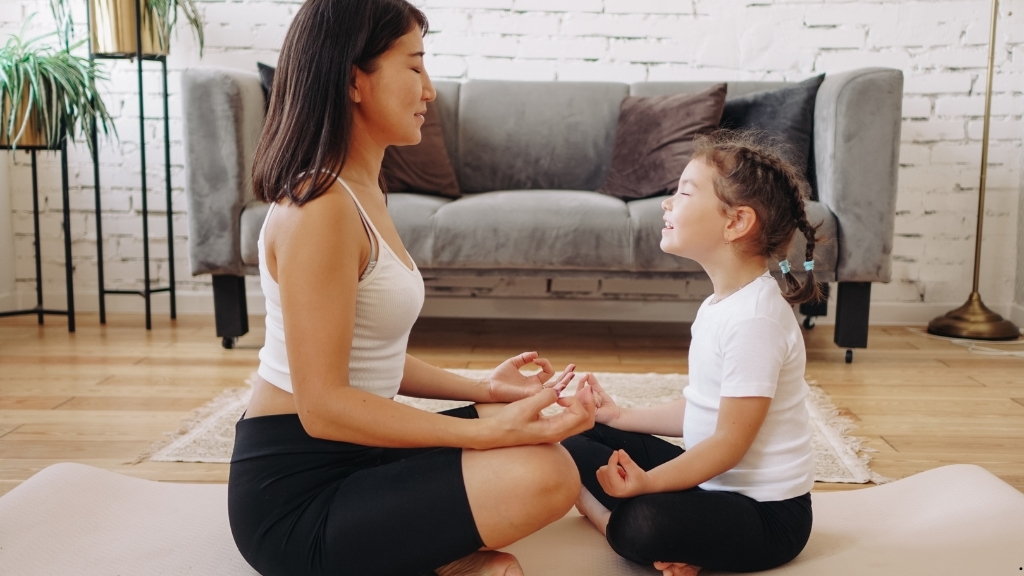
Daily practice:
Certainly every child is unique and has his or her own temperament and character. Therefore, the treatment modalities must be individualized, as must the observation of each child's behavior (frequency, duration, condition, family environment, clinical situation).
In general, in everyday life, it is always necessary to be calm instead of intense and calm instead of impulsive. We can reassure the child with a calm voice and remove the child from disturbing stimuli.
At younger ages, more behavioural methods of intervention are effective, aimed at managing and controlling anger and impulsivity. In many cases, the occupational therapy intervention helps significantly in the regulation of emotion, impulse control and sensory organization of the child.
The loyalty tables help children to become motivated and rewarded for good behaviour, which is gradually modified by developing the expectation of a pre-determined “benefit”.
Also visual cues, visualization of images describing emotions help in awareness of the child's behavior and empathy. The child learns to distinguish and distinguish the emotion of anger and to limit the aggressive reaction if he/she is more aware of the other person's position 9theory of mind).
You can also encourage the child to draw and paint and help him or her with relaxation techniques such as breathing, deep pressure, tight hugs and physical contact.
All of these ways help the child to invest in alternative expressions of anger rather than the more primitive reaction involving aggression.
Techniques for preschool and primary school children:
For preschool and primary school children, the isolated punishment position (time out) is increasingly avoided and the presence of an adult next to the child (time in) is preferred. This enhances the connection with the child and the regulation of the child's emotions without being targeted.
In essence, we are repeating positive reinforcement to the child by encouraging him to find alternative ways of behaving without “putting him up against a wall” both literally and figuratively.
Family consistency:
When a child exhibits aggression it is almost always imperative that all adults modify their behaviour. The tactics they use must be common in order to achieve the desired result.
Often parents fall into the trap of following separate lines where one is the “bad parent” who sets boundaries and the other is the “good parent” who does all the work.
This does not help the child because in essence he learns to differentiate his reactions according to who he is facing without the consequences being constant.
When therapeutic intervention is needed:
If the aggression is constant, severe or increasing over time, then it is necessary to therapeutic intervention. Psychologists, psychiatrists and therapists apply important intervention methods to normalise aggressive behaviour.
In any case, great attention needs to be paid and cooperation needs to be sought with all adults who play an important role in education of the child.
Teachers, parents, classmates, grandparents and siblings are usually protagonists in his daily life and as they can be the source of the aggression, they can be the source of the solution....