
Previous
Next
What is early intervention and what it offers
What is early intervention
In very young children, deficits are sometimes found in various developmental areas such as communication, behaviour, perception and responsiveness to the environment. It is therefore appropriate to place them in an “early intervention” programme, however “early” they are.
Occupational therapy usually intervenes before speech and language therapy, i.e. before the age of 3 years, in children with speech and communication disorders, hyperactivity, attention deficit disorder and difficulty in functional play.
However in some cases children are identified in parallel with the start of speech therapy, in a mixed therapeutic regimen that works more effectively and complementarily to enhance extra-verbal communication (eye contact, pointing with the index finger, social response, combined attention), interaction in play, reducing hyperactivity, increasing concentration and finally organizing the body, thought and knowledge so that they can move to the complex and highly organized action that is speech.
Consult our experts for early intervention
For infants
The infants at increased risk of neurological problems, who are discharged from neonatal intensive care units, dictated the need for the creation of this new programme, which is a pioneering activity in the field of paediatric physiotherapy. It offers the possibility of early neurodevelopmental intervention in infants ”suspected” of neurological complications.
The Role of the Specialist in Early Intervention
In a multidisciplinary centre, treatment protocols are formulated in which all specialties are involved. The physiotherapist primarily checks whether the motor milestones are correctly acquired, then the occupational therapist is concerned with the control of self-care, in particular with the acquisition of the feeding and toileting stage, the ability to concentrate and the acquisition of skills through executive functions (memory, organisation, concentration). The speech and language therapist intervenes in the developmental stages of communication and finally the special educator interferes with the detection of cognitive competence.
At the same time, the psychologist is responsible for guiding the parents throughout this period in order to achieve the therapeutic goals more accurately.
Which disorders are treated with Early Intervention
Precisely because the ages of children are very young, we cannot easily talk about specific diagnoses but about deficiencies and prevention of greater difficulties for the future. Thus the following can be identified:
- Follow up after prematurity
- Limited and stereotypical interests
- Verbal and extra-verbal communication deficits
- Social skills deficits
- Sensory deviations
- Absence of symbolic play
- Emotional regulation deficits
- Syndromes
- Cerebral palsy
- Difficulty feeding
- Respiratory distress
- Rabbit's Foot
- Wolf's Mouth
- psychomotor delay (head holding, torso control, muscle tone control, positional control, positional maintenance, etc.).
What are the benefits of Early Intervention
Early intervention is the most important intervention in special education because it prevents emerging difficulties, trains parents early on how to manage their children and reinforces skills that the child could not develop on his/her own. The earlier the specialist intervenes in a child's treatment, the better the results.
See how an evaluation is done
Procedure: How Early Intervention is done
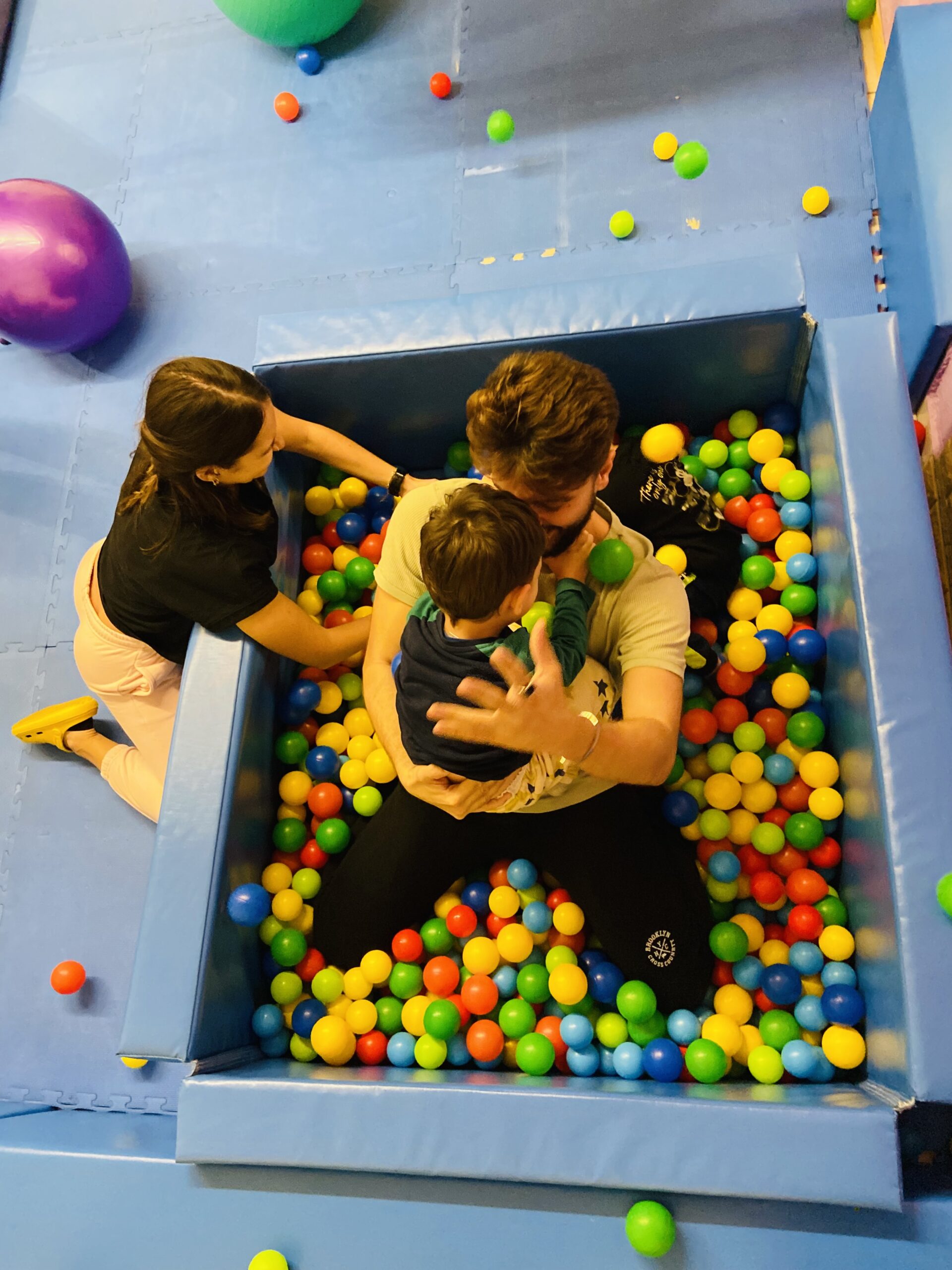
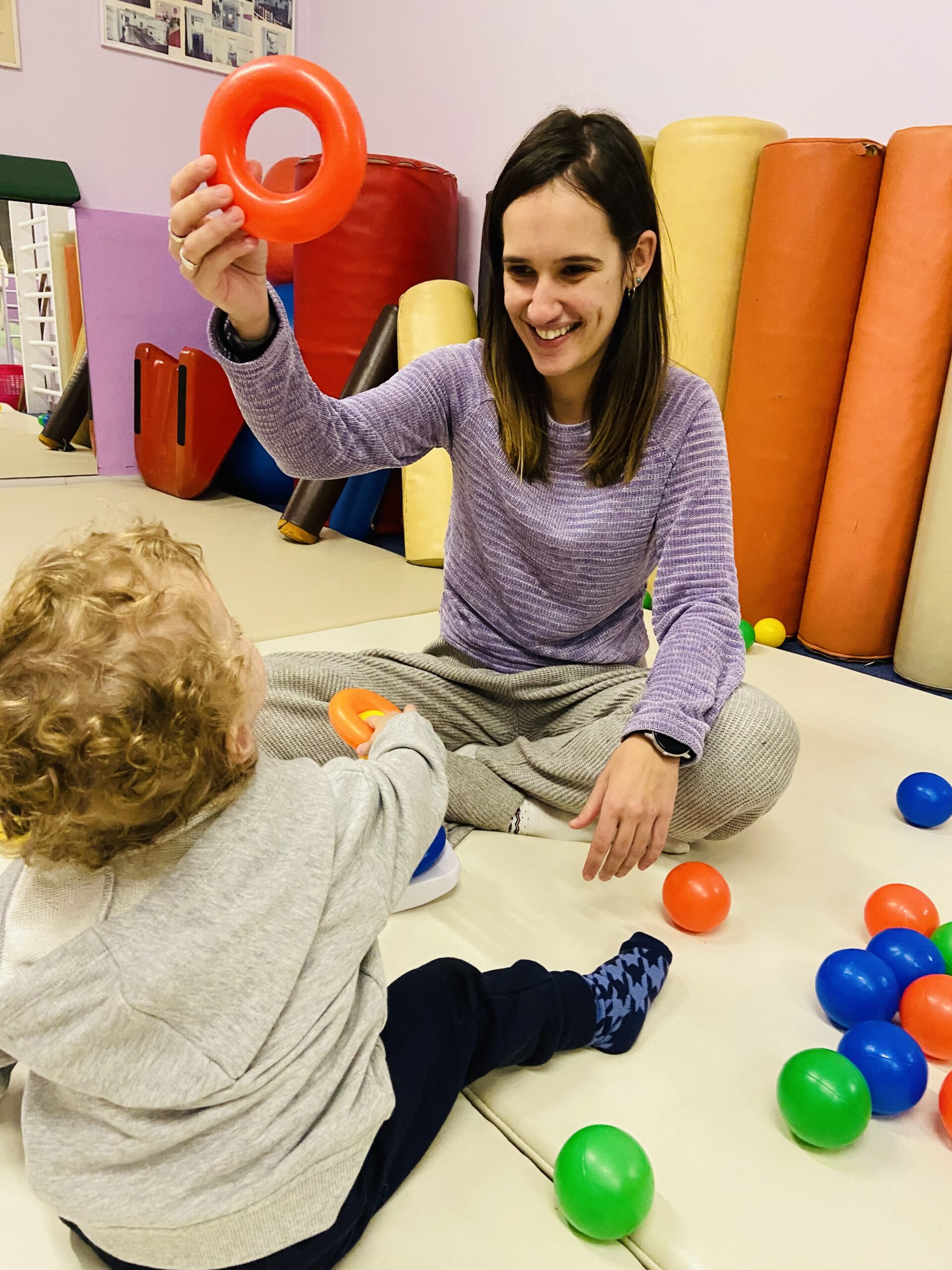
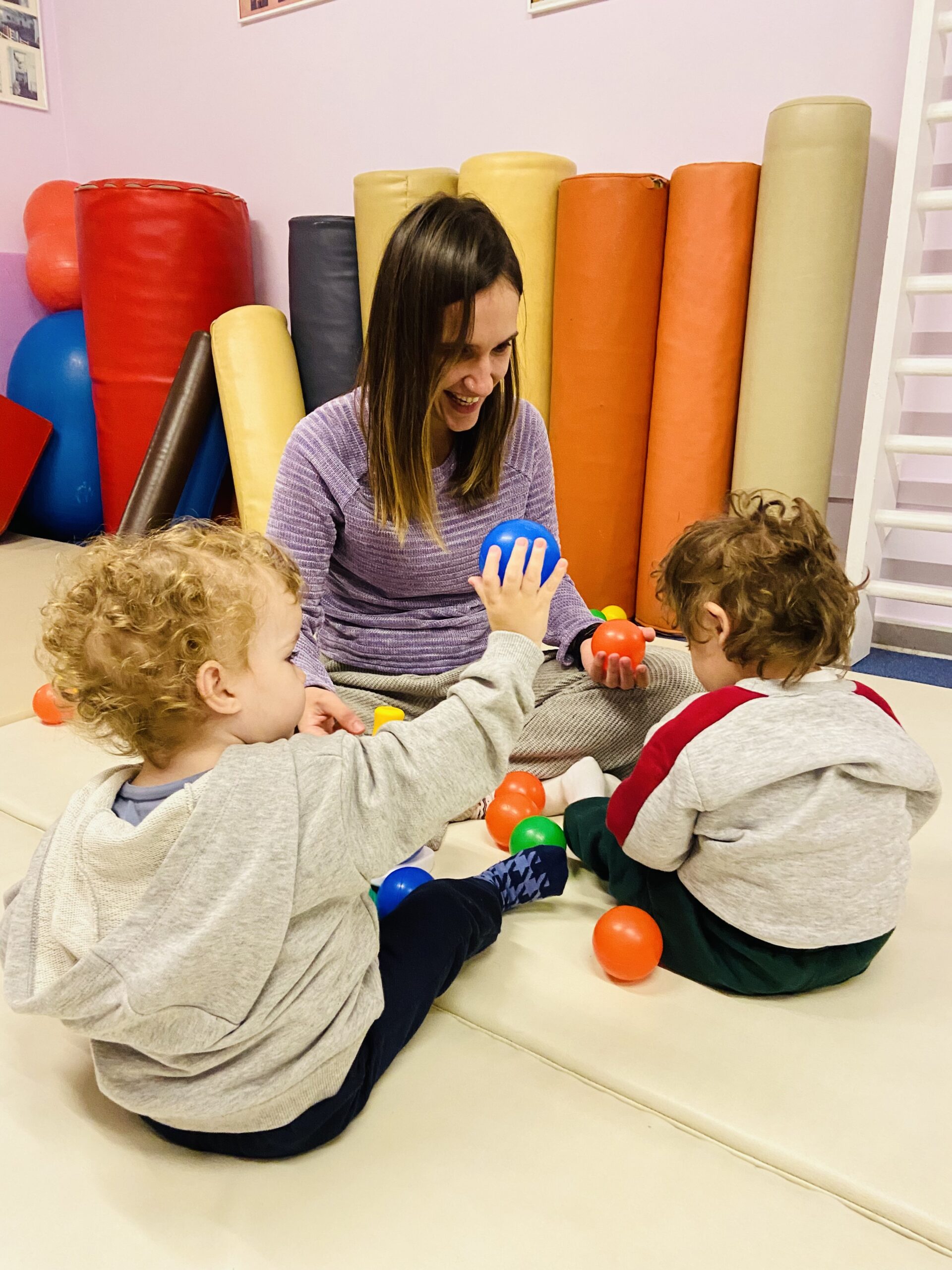
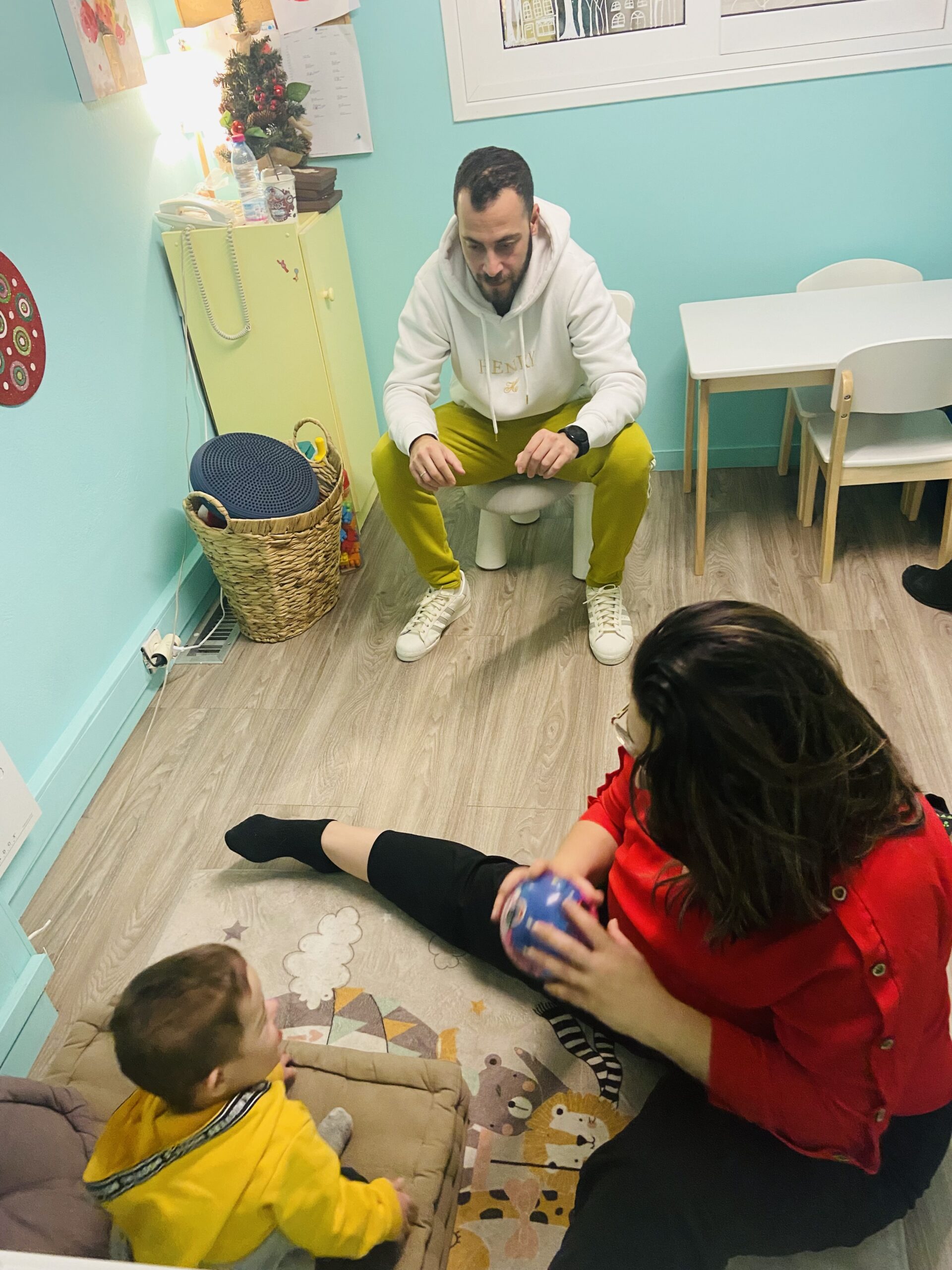
Due to the very young age of the children, early intervention is carried out with great care and with the presence of the parents in the treatment. Through intensive interaction the therapist seeks to train the child in communication skills and purposeful interaction without much stimulation, using mainly facial expressions and physical play.
For self-care, especially feeding, sessions with gradual desensitisation techniques are carried out and chewing on solid food is progressively mastered. Finally, the most important issue is the training of parents by specialists.
Early Intervention for Children Prices & Costs
The fee is monthly and prices vary depending on the frequency of treatments, which ranges from 1 to 3 sessions per week. The EOPYY reimburses a total of 120 euros per month for six months, with the possibility of renewing the certificate and an absolute age limit of 3 years. You can find out the cost of each session by a telephone call or in person at our office.
The Early Intervention Centre for Children in Peristeri
In Peristeri, the Special Children's Center of West Greece provides a necessary and valuable program: the Early Intervention Center for Children. This center aims to provide specialized early intervention services for infants and children at an early age who may be experiencing developmental challenges or delays.
Through a multidisciplinary approach, including specialists such as physiotherapists, occupational therapists, speech and language therapists and special educators, the centre offers a range of tailored services and programmes. These interventions aim to improve children's language, social, emotional and motor development, giving them the best possible start in life.