
What a Child with Autism is entitled to in Greece
A child on the autistic spectrum up to 18 years of age is entitled by the EHIC based on the criteria code from ICD 10 is entitled:
- Cognitive therapies up to 12 sessions / month
- Occupational therapies up to 12 sessions / month
- Special education up to 10 sessions / month
- Psychotherapies up to 10 sessions / month
- Parental counselling up to 4 sessions / month
- EOPYY benefits and social benefits
Also, when deemed appropriate by the KEDASY (Centre for Interdisciplinary Assessment of Counselling and Support), the school is entitled to receive support through the institution of parallel support.
There are legislative provisions regulating special leave/reduced working hours for working parents (natural, foster, adoptive, foster, and surrogate mothers) and carers of disabled persons, both in the private and public sectors, as well as regulations on exceptional assignments, secondments, transfers of public servants
The role of the CEDASYs is advisory and supportive in relation to the needs of a student at school. This may include a recommendation for re-enrolment in kindergarten or primary school, participation of the pupil in the inclusion class, support for the pupil from the institution of parallel support or even accommodations for children with dyslexia during examinations.
When a child goes to a special school
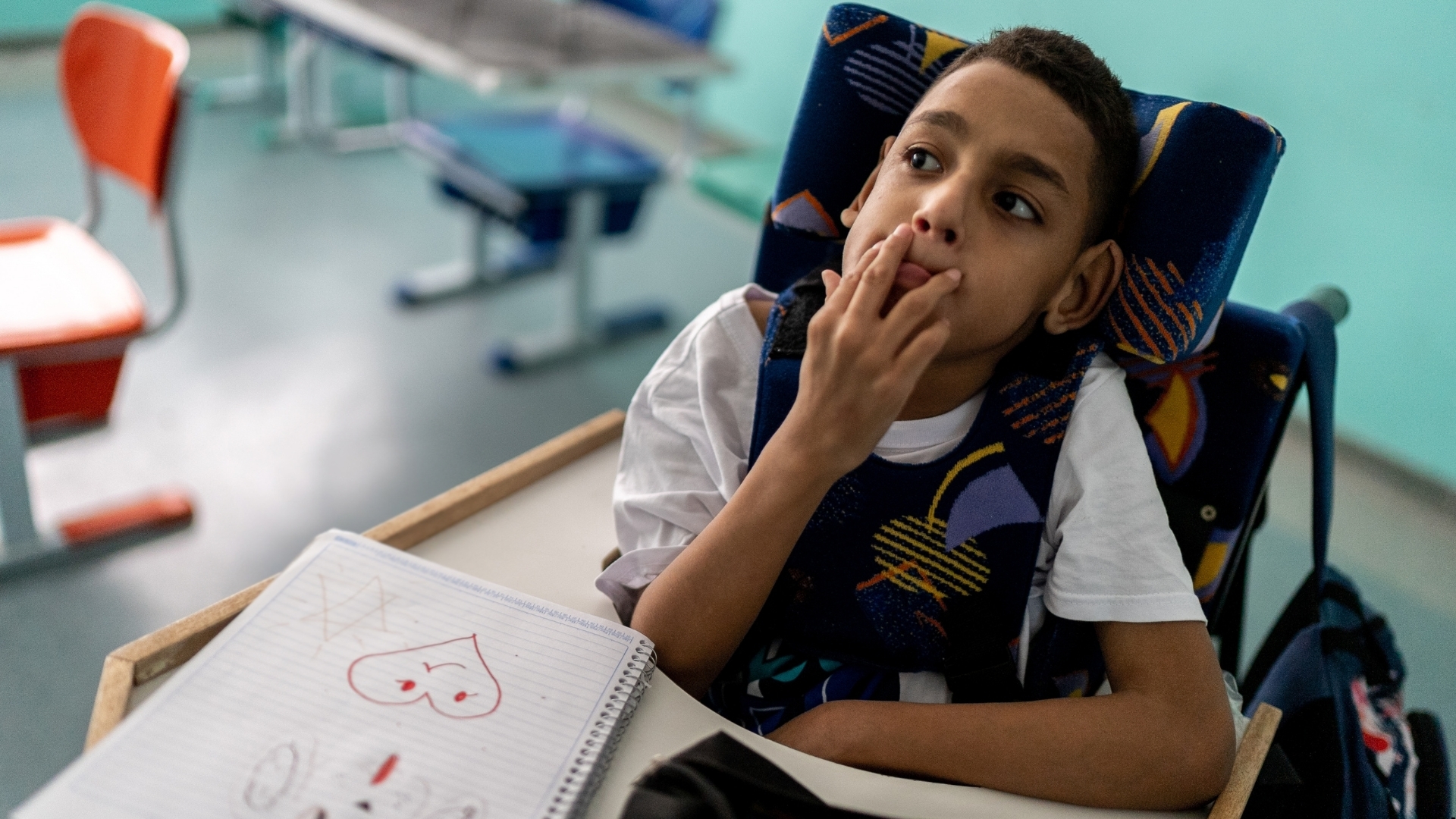
For the referral of a child to a special school, the child's cognitive potential, level of functioning, behaviour and adaptive skills, motor condition and the severity of the disorder are assessed.
Usually children with high-functioning autism are able to participate in the mainstream classroom, supported by the teacher.
Some children benefit from attending the integration section of the formal school. The inclusion department is a special education structure that operates within the formal school units that aims to provide individualized programs for students with special educational needs.
Some other children need deeper support, so they are helped by the parallel support teacher.
“Parallel Support” aims to co-educate students with disabilities or special educational needs with other students in the general education school, with the support of a Special Education Teacher alongside the General Education Teacher.
Parallel support may be provided to any pupil with a disability or special educational needs, including those with autism or PPP-Y, as long as he/she can meet the curriculum of his/her class as well as the events and other activities of the school.
A prerequisite is the student's ability to remain in class and at school without support for a period of time equal to half the time.
Private education for children with autism is extremely limited. There is not yet an official private school for autistic children, which is institutionally and legislatively under the Ministry of Education like the other private schools in our country.
However, each private school has the option of including the child in its staff if it believes it can offer him or her an appropriate education.
Some special treatment centres may also employ children in day programmes, but they do not function as schools but as supplementary special education.
Support for Children with Autism
The role of occupational therapy and speech therapy is very important in children with autism. They aim to improve communication deficits and enhance social skills always tailored to the needs of each child.
Social skills are the primary concern of therapists as these children tend to be isolated, attached to routines and unable to interact adequately in play and dialogue.
Treatment programmes such as TEACCH, PECS and ABA aim respectively at organisation, alternative communication and behavioural analysis. All aim to psychoeducate children to function in a more adaptive way with their environment.
Structured education for children with autism is essential because the concept of rules, routines and limits is crucial for their improvement. It helps to organise their learning and daily life in a way that meets their needs.
All these interventions reduce anxiety, enhance understanding, develop autonomy, improve concentration and support their overall behaviour.
Parents and Children with Autism
The daily life of children on the autism spectrum and the emotional challenges are increasingly intense as they grow older. The tendency to isolation and the lack of adaptive skills make it difficult for these children to become independent and increase parents' anxiety to better integrate them into society.
The main emotional challenges of parents usually involve:
- The mourning of the “imaginary child” they were expecting to be born.
- The acceptance of the child with autism, with his/her deficits and gifts and unique personality, both by the familiar and the wider social environment.
-The social exclusion/stigma, which is decreasing, although a more active role of the state is still needed for social opportunities and social inclusion.
- Raising public awareness: Initially this should start at school and extend to the media, municipalities and government programmes, where students should be informed both about the disorder itself and about ways to support it in order to achieve better inclusion.
- Anxiety about the future: this is the biggest and most common concern of parents, which is about how their children will live when they are gone. The autistic person needs support programmes as well as legal protection such as legal aid.
Rights and support
People with autism spectrum disorder are entitled to a disability allowance from the OPEKA. Depending on the disability rate of 67% and above, they are entitled to the corresponding allowance (€313 per month).
People with a disability rate of 80% and above are entitled to the benefit for people with severe mental retardation (530 euros per month), but no mental retardation is required for people with autism.
For the granting of the allowance see the law HERE.
Parenting communities offer both practical help and emotional support. They are usually based on sharing knowledge and experiences. This helps them to better understand their child, to claim rights (education, benefits, etc.) and to build friendships and social support networks.
Indicative bodies are Greek Society for the Protection of Autistic People, η Autism Hellas and the Together for the Child.
Autistic Children: Miracles and Reality
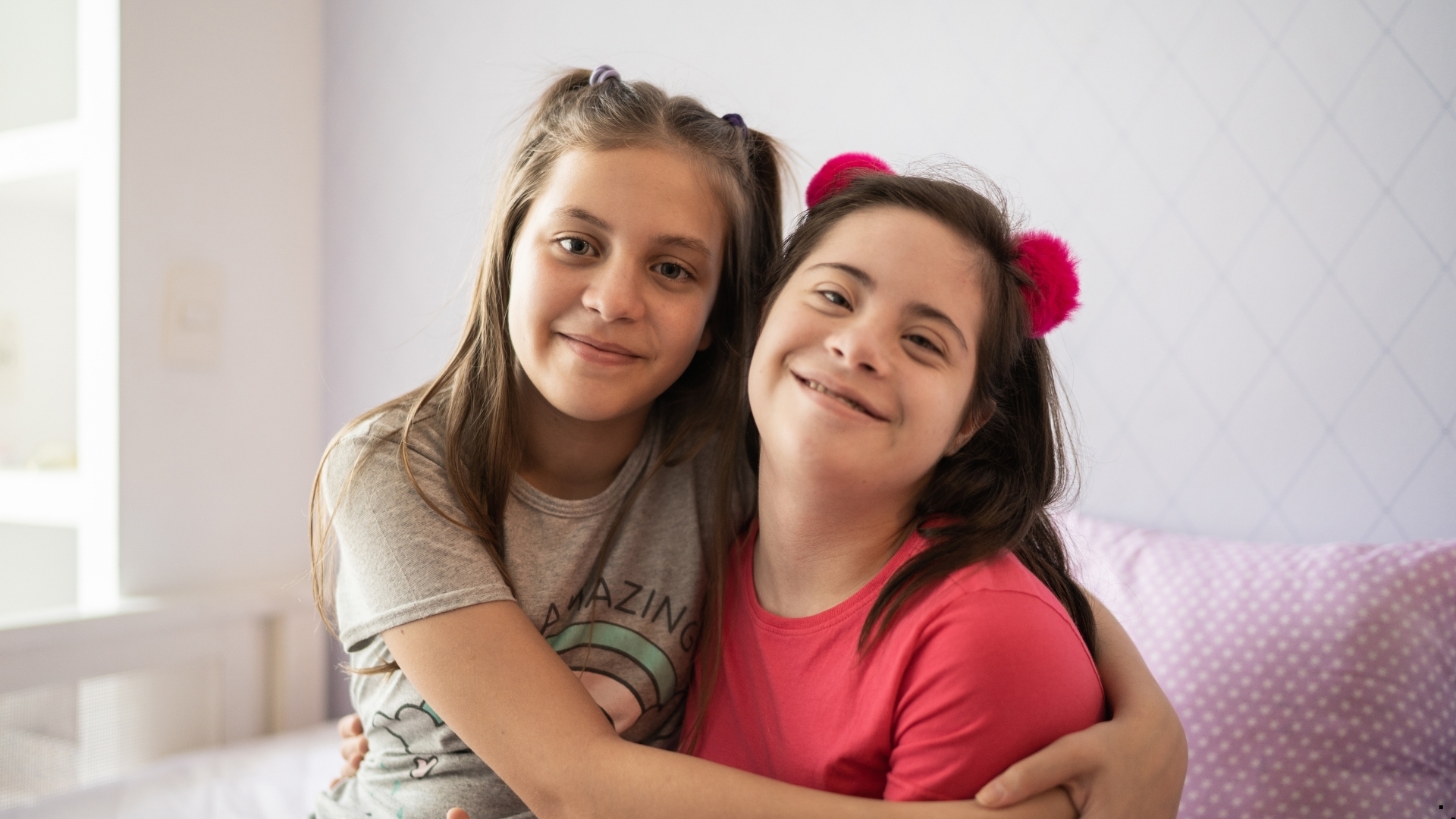
We often hear stories of children with autism showing impressive abilities such as exceptional memory, mathematical talent or artistic expression. These stories are inspiring, but they do not represent all children on the spectrum.
Every child has his or her own pace of development. Progress may be slower for some but substantial.
For example, using a word that is so easy for a typical child to use for a child on the autism spectrum can be a huge feat.
Also, most children love to play with their friends but a child on the spectrum - who may also love to play with their friends - may have to make more effort.
For such a child the acquisition of a steady friend or best friend is proof of great development.
For the more functional children, artistic achievements, masters of musical instruments, rafting, robotics, robotics, special constructions, comic and fairy tale composition, electronic games and technological tools are also worthy of admiration.
The development of each autistic person is not limited and never stops. Motivation and continuous support also determines further development.
Ο autism means neither «genius» nor «mental retardation». Stereotypes create pressure and misunderstandings.
The image of the gifted child is exaggerated. Many children on the spectrum have special abilities, but this is not true for all. Autism is a spectrum and each person has their own abilities and difficulties.
Many people think that people with autism are isolated and hate social contact. Many children and adults with autism desire and seek relationships and connection. But they may have difficulty in how to approach or may not know how to maintain a friendship.
Others believe that autistic people cannot communicate. Some may indeed have limited communication or no speech, but there are many who communicate either verbally, through writing or through
Photos and Visibility
Autism is not shown by a child's physical appearance but by the behaviours he or she exhibits. Repetitive routines, avoiding eye contact, tantrums and stereotyping are some of the common behaviours.
The internet could contribute a lot to the visibility of behaviours with specific permission from the parent and of course without exposing persons to appropriate protection. The risk of misuse of images needs appropriate attention.
Visibility can contribute to understanding autism and more specifically to acceptance and inclusion. When autistic children participate more actively in social life they become less isolated which is the goal.
Both on the internet with protection and in everyday life, exposing these children helps them to listen to normality and ourselves to understand more about their difficulties and deficits.
Referring to pictures that reflect everyday life can help in some cases parents who want to understand their children's difficulties or have a yardstick to compare them with. What is more certain is that behaviours and deficits are not captured in pictures but in interaction with the children themselves.
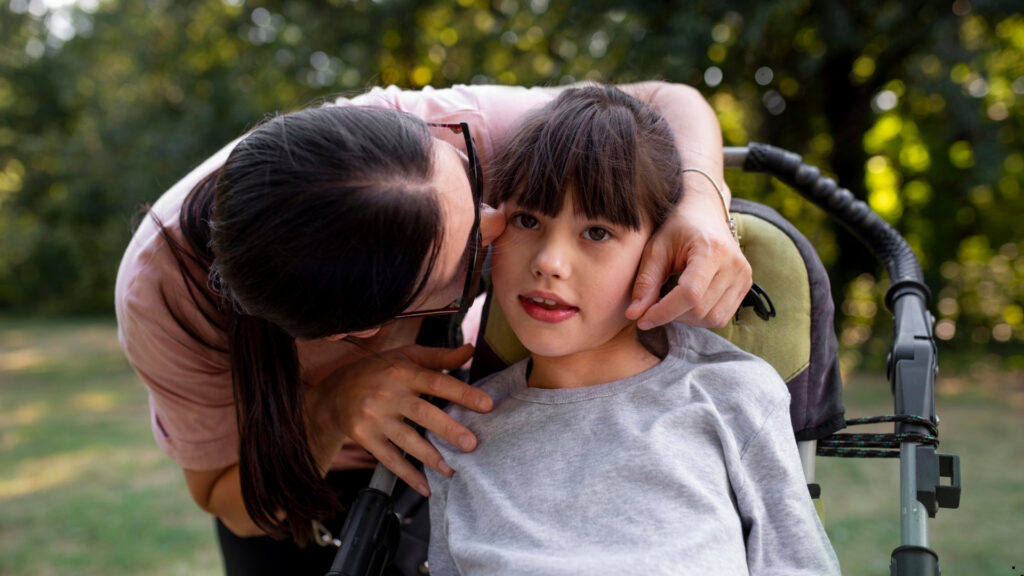
The images depicting the daily life of children with autism should capture simple everyday moments (autism stories) focusing on routines, relationships, small joys and difficulties without dramatic images but aiming at a balanced reality. They should not present the child as a “problem” or exaggerate “heroism”. They help when they show simple moments such as playing, resting, eating, and highlight relationship and interaction.
Conclusions
The need for understanding, acceptance and early intervention
Early diagnosis and immediate intervention are the most decisive factors in a child's progression on the autistic spectrum. The earlier support starts - through speech and language therapy, occupational therapy and special education - the greater the chances of the child developing communication and social skills.
Understanding autism is not just about parents and experts. It is about the whole of society: the school, the neighbourhood, the media, the state. Awareness reduces stigma, encourages inclusion and creates an environment where every child can develop with dignity.
Autism is not a barrier to life, but a different developmental pathway
Each child with autism carries his or her own unique identity, with its difficulties and strengths. Autism does not define the limits of what a person can achieve - it simply defines a different way of seeing and experiencing the world.
With the right support, the right tools and an environment that embraces diversity, children on the spectrum can learn, create, connect with others and live meaningful lives. Progress never stops - and every small step forward deserves to be celebrated.
We support children and families
Behind every child with autism is a family that struggles daily with love, resilience and dedication. Parents need not only practical information and access to services, but also emotional support, recognition and solidarity.
Building communities, strengthening support networks and active involvement of the state are not only desirable - they are necessary. Because when we support children and their families, we support a society that is more humane, more just and more open to all.