
Previous
Next
What is speech therapy & What are its benefits?;
What is Child Speech Therapy
Speech and language therapy is the science that deals with the assessment and treatment of speech, language, communication, chewing and swallowing disorders in children.
In children, the onset of determined by the unexpected development in these areas is performed in multidisciplinary special education centers or at home, by qualified speech and language therapists.
See how a speech therapy assessment is done
The Role of the Speech and Language Therapist
As with all treatments, a medical diagnosis is required first and foremost so that an appropriate treatment protocol can be formulated in order to address, improve and rehabilitate the difficulties. The importance of early intervention at this stage is crucial, as it can contribute to the child's faster and more effective progress, often in combination with Special Education.
The speech and language therapist, in a first meeting (the assessment), in the presence of the parents, evaluates the child's clinical picture, observes and records the child's behaviour, knowledge and the manifestation of symptoms.
It subjects the child to certain activities or exercises through diagnostic tools, tests and questionnaires, uses educational and therapeutic materials and thus determines the developmental deficits that appear in speech, which may or may not fall within the initial request and concern of the parents.
Finally, a joint decision is made on whether or not to start a speech therapy programme.
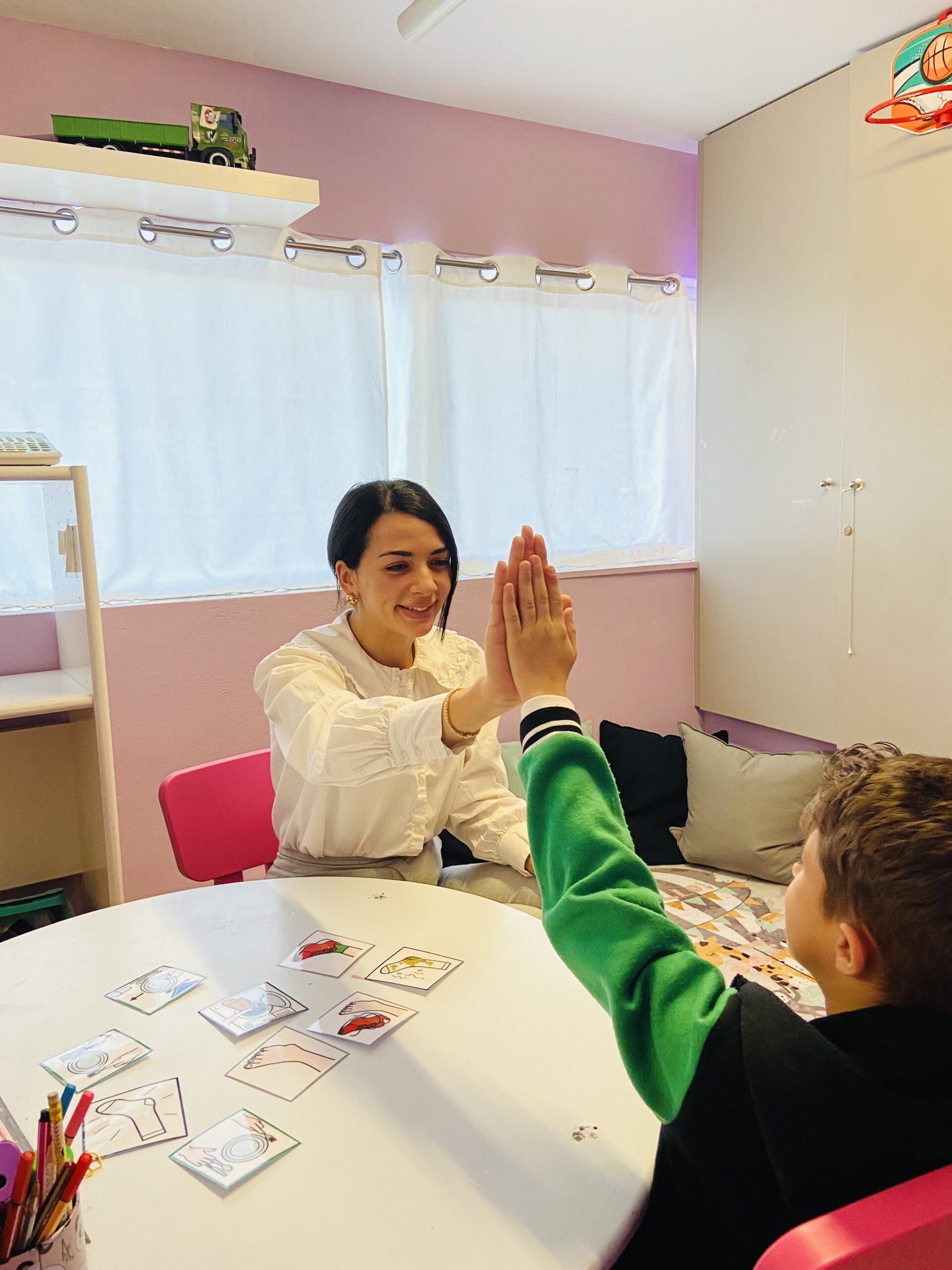
If it is decided to include the child in a programme, which is carried out from 1 to 3 times a week and lasts 45 minutes per session. The speech and language therapist uses a variety of intervention methods at the time of the therapy and also explains and trains the parent in these methods when the need for further work at home arises.
The parent is given materials or exercises for homework and there is a regular update on the child's progress at the end of each session. Parent and therapist work “co-therapeutically” for the best outcome.
Every now and then, a meeting with the parents is held for the necessary exchange of the child's progress where the therapeutic goals are redefined.
Finally, the child is re-examined by the doctor who is monitoring the child to check for improvement and, if necessary, to renew the child's initial assessment.
Which disorders are treated with Speech and Language Therapy?;
Usually parents are concerned at a speech delay in their child around 2 to 3 years of age. This is reasonable since typically developing 3-year-olds usually have a vocabulary of 700-900 words, are willing to engage in dialogue, speak with relatively clear articulation, correct syntax and structure, describe events or experiences, ask to learn from adults, and seek play with peers.
But many children do not pronounce certain words correctly, they are not fluent, they make many grammatical mistakes, they do not express themselves in a way that makes sense. Also some prefer to isolate themselves, play by themselves and are indifferent to other people.
The teacher, the paediatrician or the parent often identify a difficulty in the child and can then turn to the specialist for an assessment.
So, a child needs speech therapy when:
- By 2.5 years of age he does not produce any words or use any sounds/phonemes at all.
- Does not carry out commands or instructions (e.g. Get the shoes and close the door.
- His speech is extremely simplified for his age. (“Let's go atah”, “I want a dwarf”)
- Replaces or removes some letters/phonemes (e.g. “Selo nello”, “a wow tati”)
- Simplifies some complexes (‘I'm bringing a cafeteria”, “let's go to pity”)
- Reverses syllables in words (e.g. Zitrapi instead of table)
- Uses incorrect grammatical and syntactic phenomena (tenses, genders, numbers)
- He does not adjust his speech according to the interlocutor.
- Cannot describe an event, a story or a fairy tale (e.g. cannot remember information, answers one-word answers...).
- He does not turn to his name, does not look into his eyes, plays mostly alone, does not interact satisfactorily with his parent or acts like a “deaf person”.
- When they cannot drink, swallow, salivate or chew normally.
- When he blocks or stutters when he speaks, when he speaks extremely slowly or extremely fast.
So, the disorders in which speech therapy intervenes are:
- Speech and language delay
- The perceptual disorder
- The phonological disorder
- The articulation disorder
- The pragmatic disorder
- The expressive language disorder
- Autism spectrum disorder
- The feeding disorder
- The stuttering
- The juggling
- The dyspraxia
What are the Benefits of Speech Therapy for Children
Speech and language therapy is the science that helps children to express themselves and communicate better and of higher quality through speech and language.
Through speech therapy, children understand and better understand words, phrases and sentences, higher verbal functions such as humour or mischief and it helps them to understand the intentions of others.
Through a speech therapy programme, when necessary, the child's self-confidence and consequently his/her socialisation is improved in addition to speech clarity.
In some cases, speech therapy is of paramount importance as it helps with biological needs such as feeding and drinking. Overall it is a science that can improve the quality of life of children as it interferes with communication and interaction.
See how an evaluation is done
Procedure: how speech therapy is done
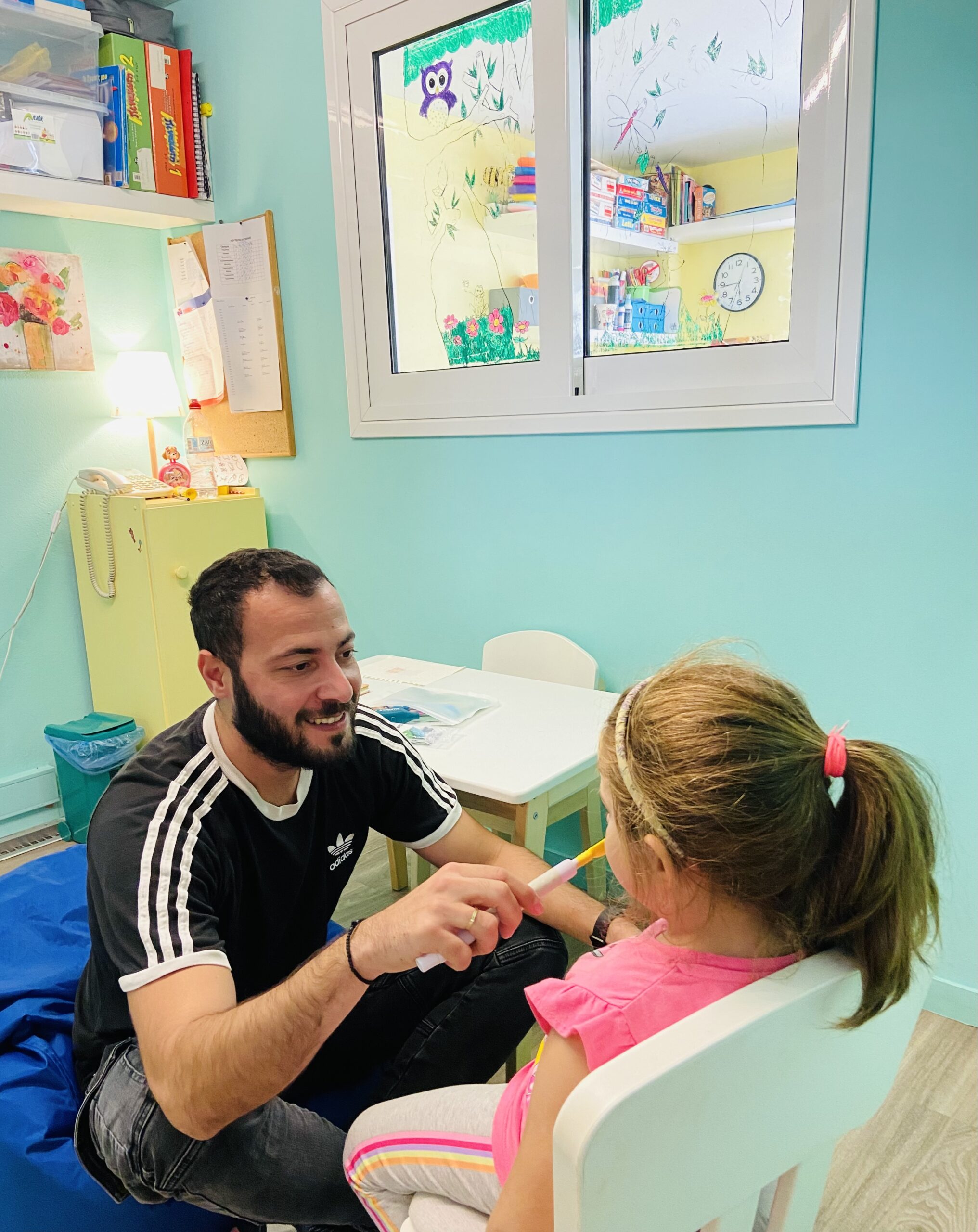
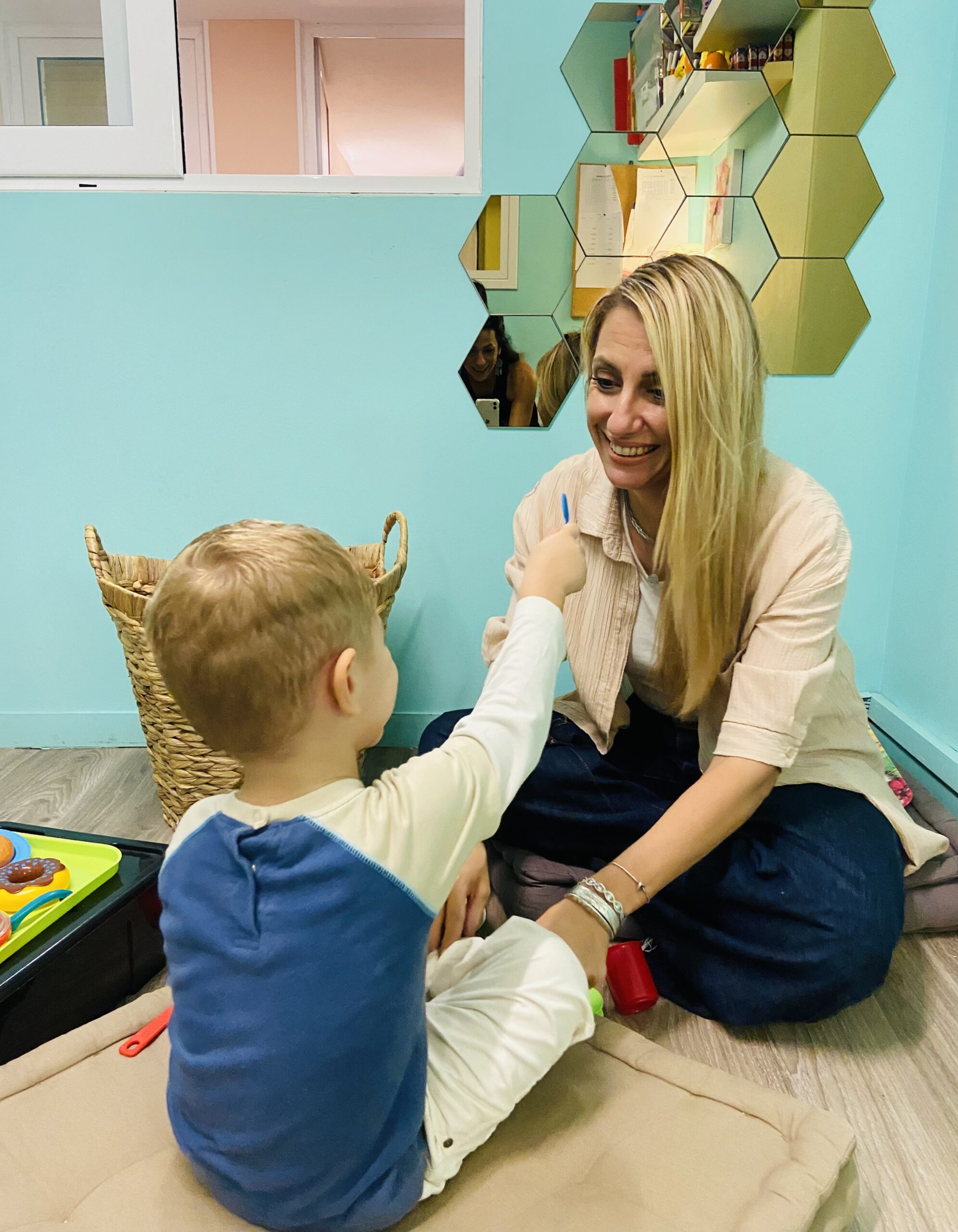
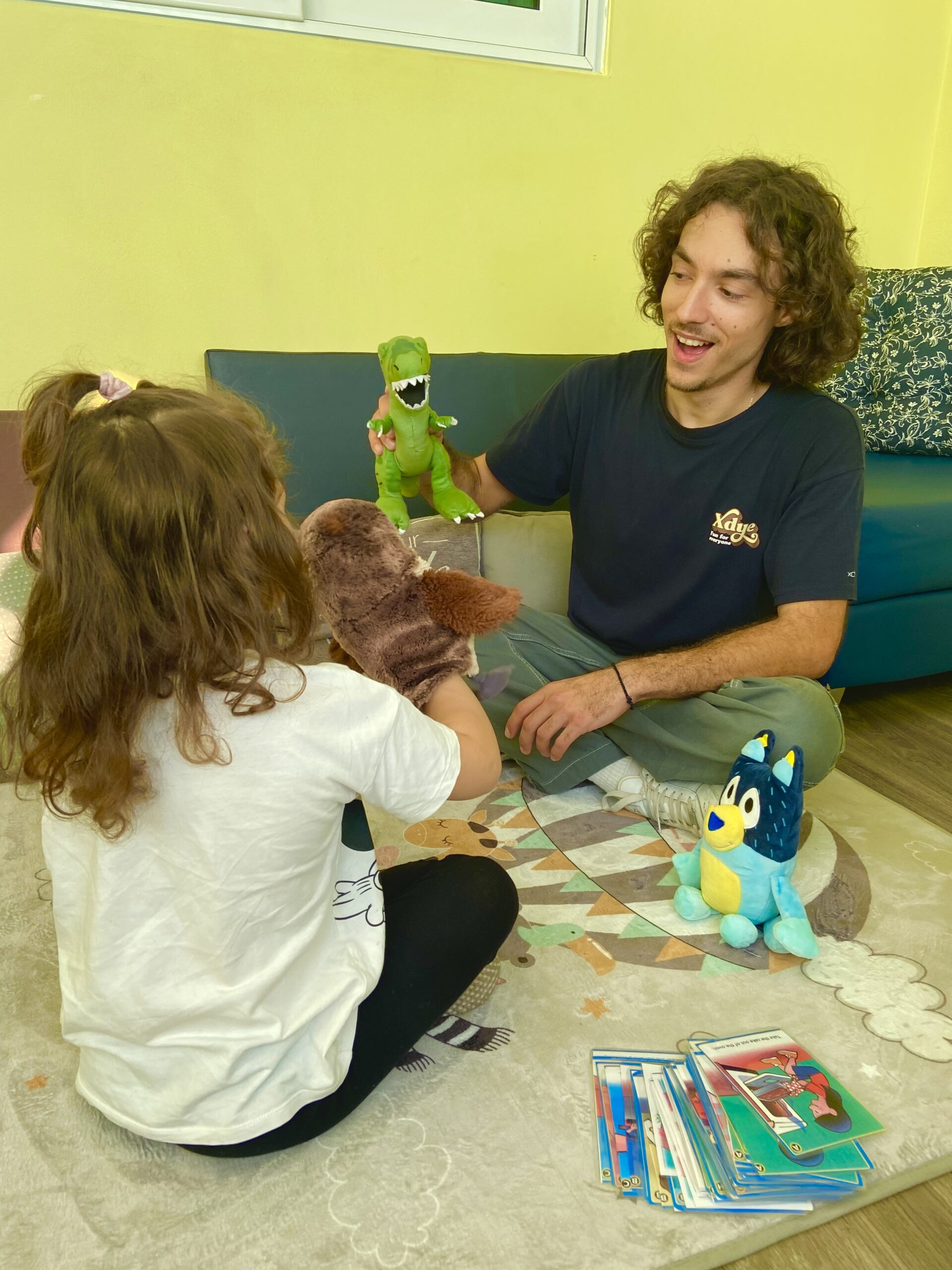
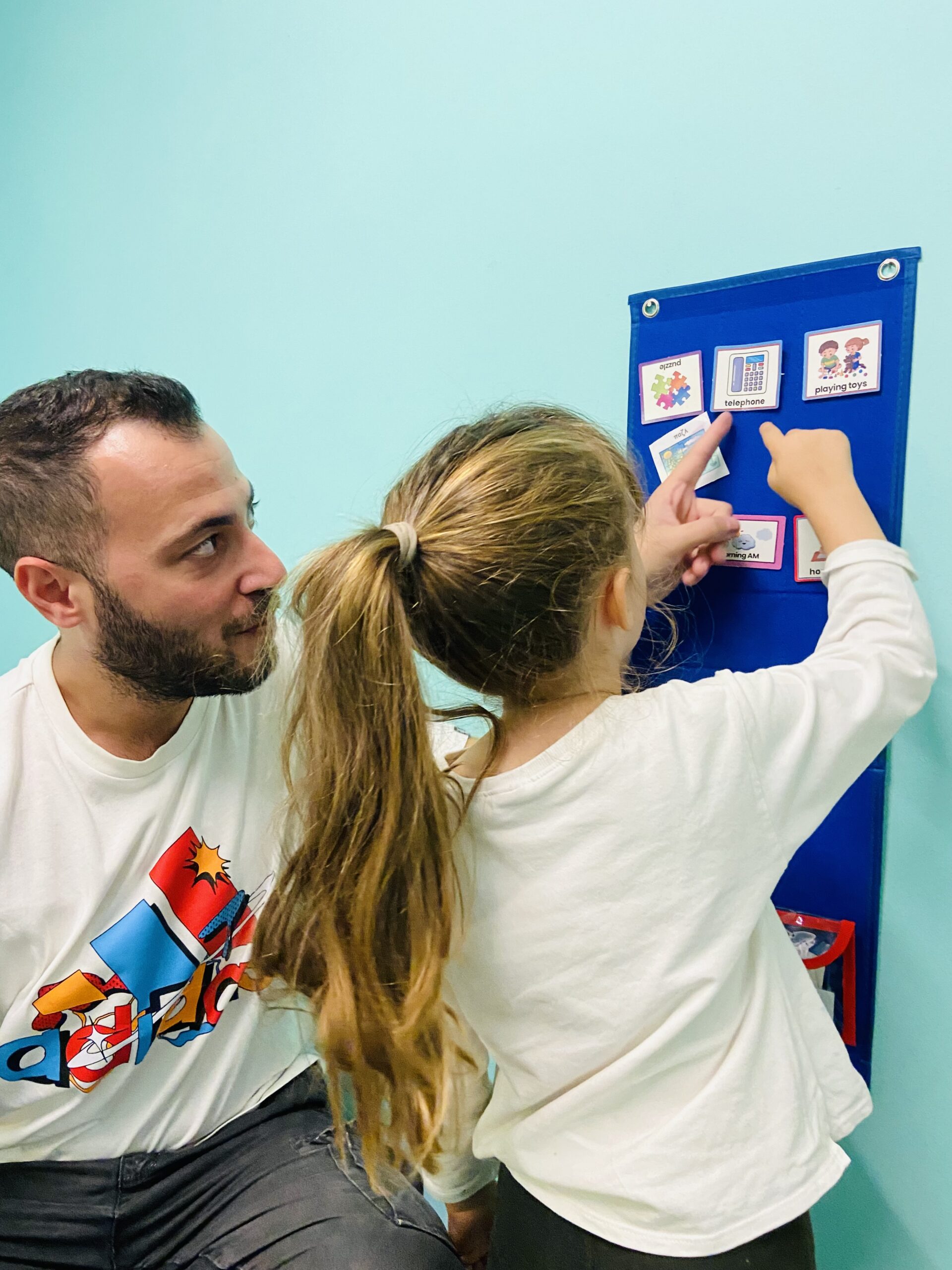
The speech therapy programme is usually individualised. In cases of articulation disorder, the child faces the speech and language therapist in order to have adequate visibility and to be able to better mimic the placement of the therapist's articulations. The same procedure is continued in front of a mirror so that he can see the image of his positioning. Instruments such as tongue depressors, toothbrushes and other more specialized tools are often used. For difficulties beyond articulation and phonology, methods such as intensive interaction or visualized structured training (TEACCH) are used, where for the former, an empty room of stimuli and for the latter, specific and delimited spaces within the room are needed. In this way, parents shape the home environment and continue learning at home. Finally, alternative methods of communication such as Makaton, PECS and GO TALK NOW are used in order to emerge an intermediate communication before speaking.
The personality and temperament of each therapist makes up the completion of a successful speech therapy.
Speech Therapy for Children Prices & Costs
The cost and prices of speech therapy vary based on the frequency of sessions required on a weekly basis and according to the severity of the disorder.
The state has so far reimbursed each speech therapy session with 15 euros.
Special education or speech therapy centres in Athens usually charge between 25 and 40 euros per session. However, children's consultations cover most of this cost.
Speech therapies for children 2 and 3 years old with difficulties are currently paid by the EOPYY from 60 euros (4 L/T per month for articulation disorder), 90 euros (6 L/T per month for special disorder of language expression) up to 225 euros (15 L/T per month for autistic spectrum disorder, cerebral palsy, syndromes, etc.).
Speech therapies have a duration of 4 to 12 months according to the disorder codes approved by the EOPY after a medical opinion from a private or state child psychiatrist, pediatric neurologist or pediatric developmental psychiatrist.
The Speech Therapy Centre for Children in Peristeri
The Special Children's Center of West, in the heart of Peristeri, brings to the community a speech therapy center dedicated to children. Speech therapy is vital for children with difficulties in speech, communication or language expression. With a child-friendly environment and equipped with the latest technological tools, we offer individualized therapeutic approaches.
Our team consists of experienced speech and language therapists who are committed to creating a positive and encouraging environment for each child to reach their communication potential. Our commitment is to provide the best possible care and support for each of our little heroes.