
Previous
Next
What is Special Education and what it offers
What is Special Education
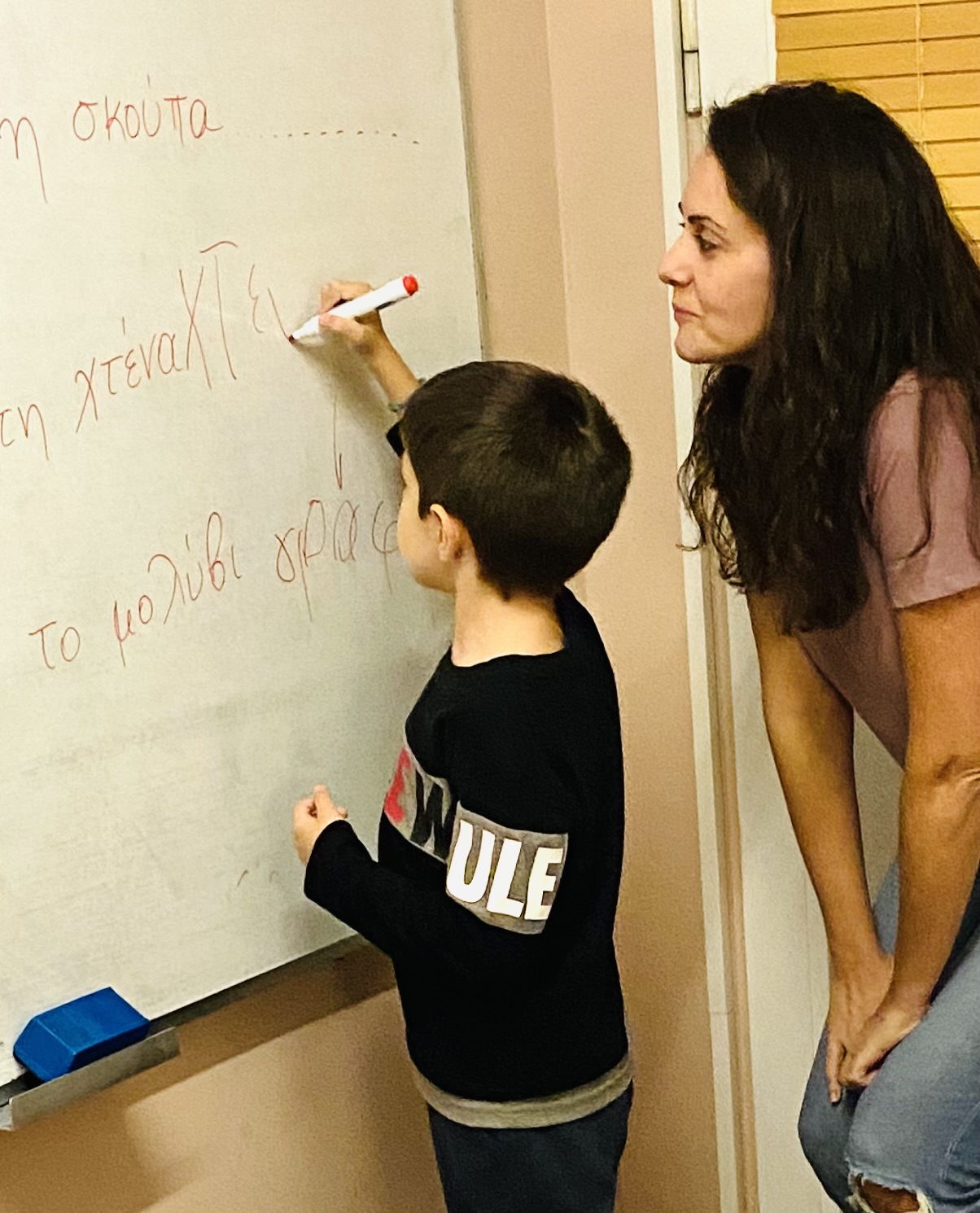
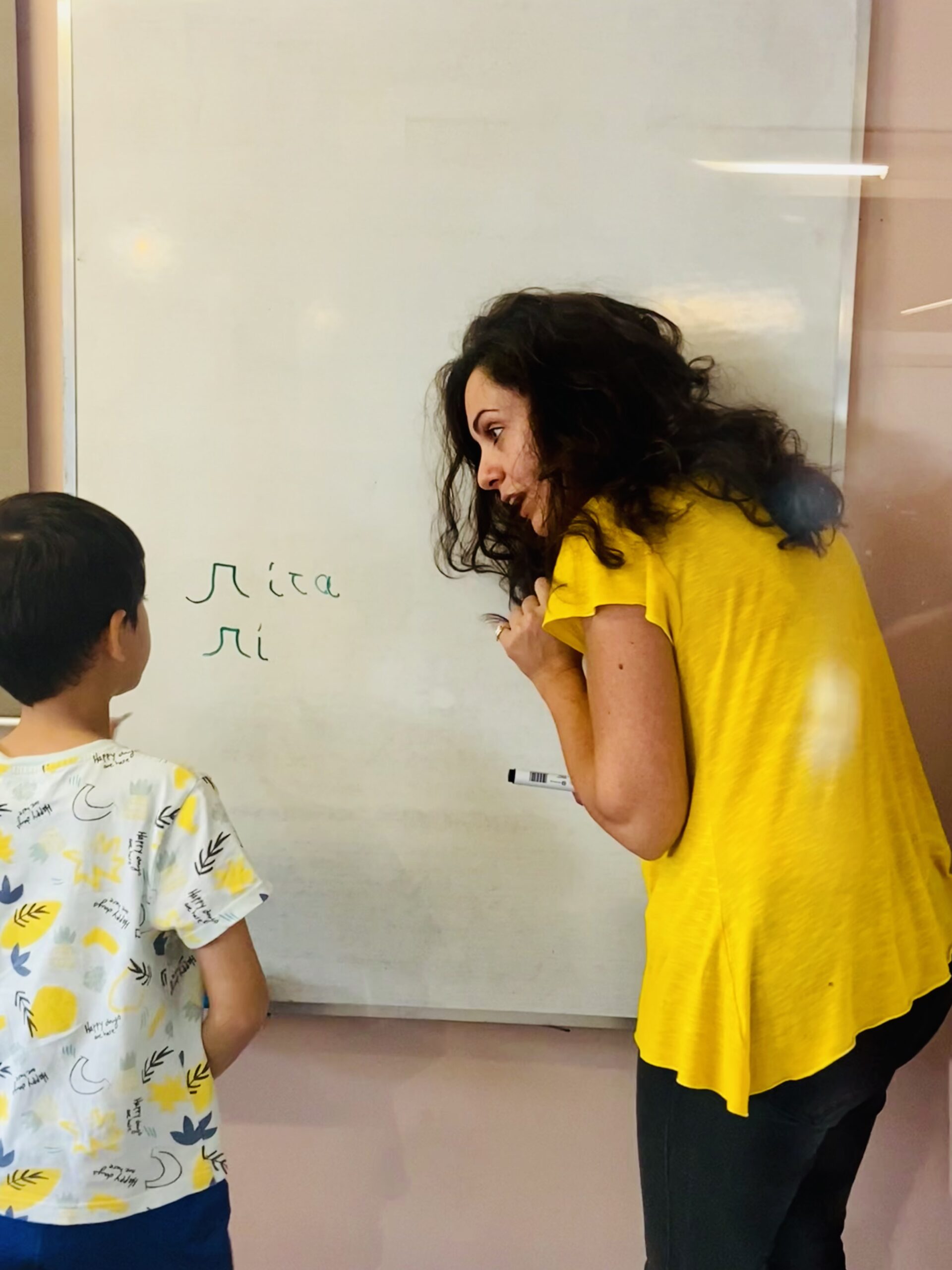
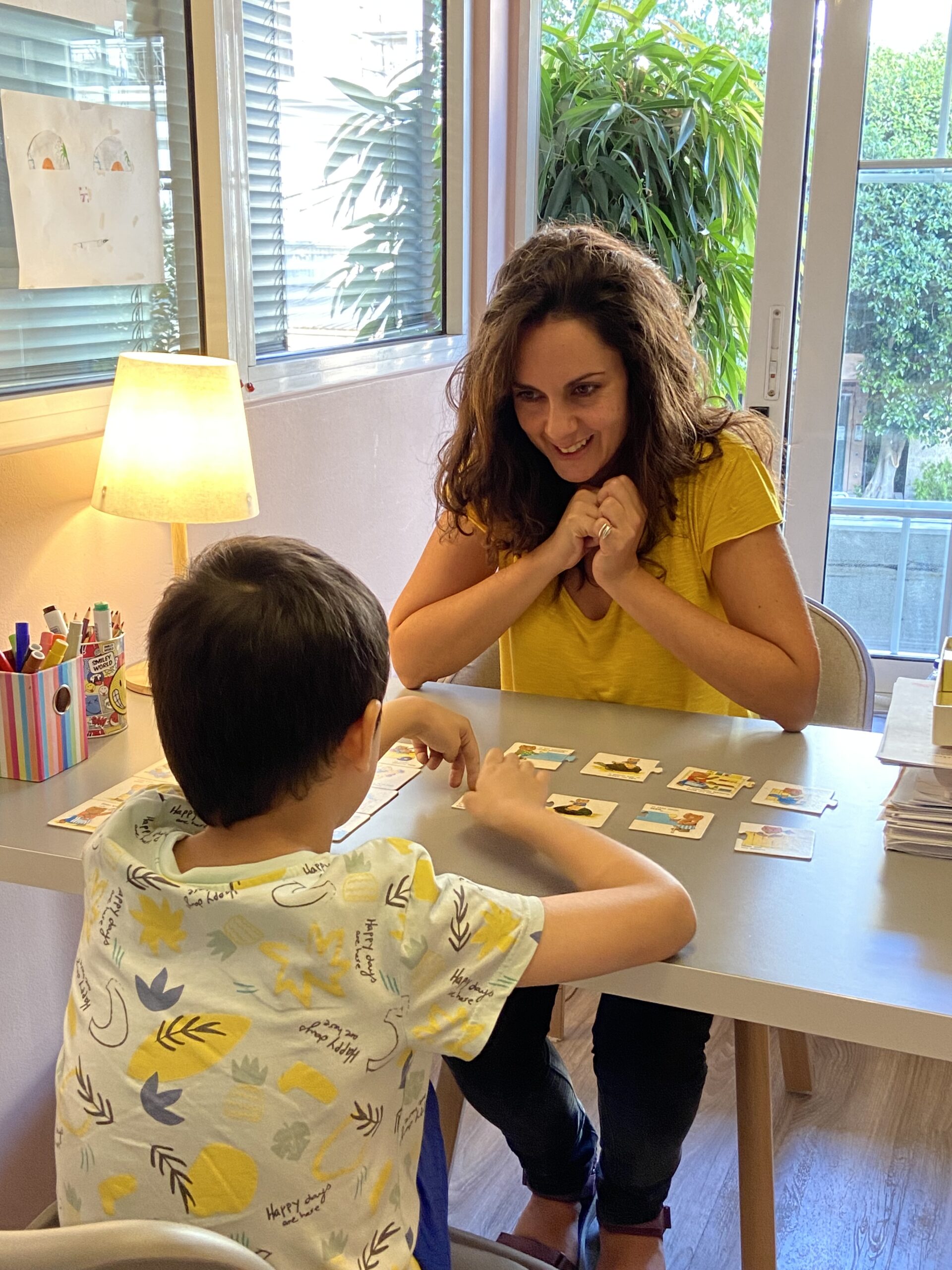
Special Education, as defined by the two words, is a specialised and distinct way of educating children, i.e. training, understanding and embracing the concepts, rules or information that they often need in order to cope with writing or reading, areas that are often supported through speech therapy.
Apart from primary, secondary and high school students, Special Education can also contribute to younger children such as those in pre-school age. Its role there has to do with the acquisition of the child's cognitive competence such as spatio-temporal concepts, literacy, enrichment of vocabulary and sentence structure, drawing and memory.
Occasionally it can help with self-care and self-care in collaboration with occupational therapists and contribute to the self-sufficiency of all activities of daily living of children.
Find out about learning difficulties
The Role of the Special Educator
Its aim is for preschool children to develop all the skills they need to integrate into the school environment, such as concept and category development, creativity, drawing, drawing, spontaneous drawing, description, narration, pre-writing, pre-math thinking, and for school-age children to develop writing, free writing, spelling, reading, memorization and mathematical thinking skills in order to effectively meet school requirements.
The main aim is to love and reinvest in the learning process by boosting their self-confidence and self-image in and out of the school environment.
Which disorders are treated with Special Education
The «Special Pedagogical» department is addressed to preschool and school-age children with difficulties or deficiencies in various areas of learning and aims at the timely and accurate assessment, diagnosis, treatment and rehabilitation of these difficulties/deficiencies, by developing an individualized intervention program for each child based on his/her abilities and needs. This is most often achieved in collaboration with other specialists (psychologists, speech and language therapists, occupational therapists) as well as with the child himself, his parents and teachers. The early approach through early intervention can play a crucial role in the child's future development.
These difficulties may be due to developmental, neurological or psycho-emotional difficulties or to specific learning difficulties such as dyslexia, dysorthography, dyslexia, dyslexia, dyscalculia and dysgraphia.
The benefits of Special Education
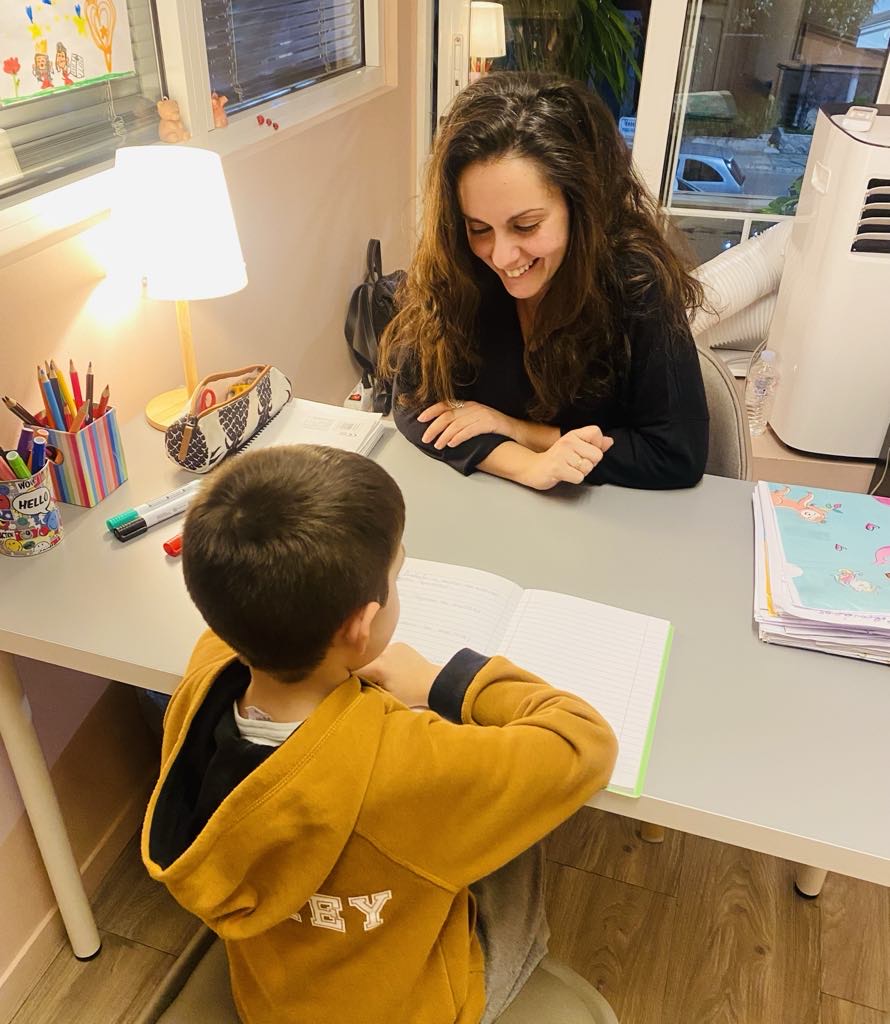
Through Special Education, the school-age child initially recognizes the grammatical and spelling mistakes he or she makes, the blocks in reading or math errors, and in the process is fortified with specialized knowledge from the teacher to correct them on his or her own. His self-confidence and self-image is boosted, he participates more in class and feels more secure in his learning achievement.
For preschool children, Special Education helps them to learn concepts, rules, symbols and writing so that they can meet the challenge of learning readiness more quickly. Finally, some children benefit in activities of daily living, self-care and self-care.
See how an evaluation is done
Procedure: How Special Education is done
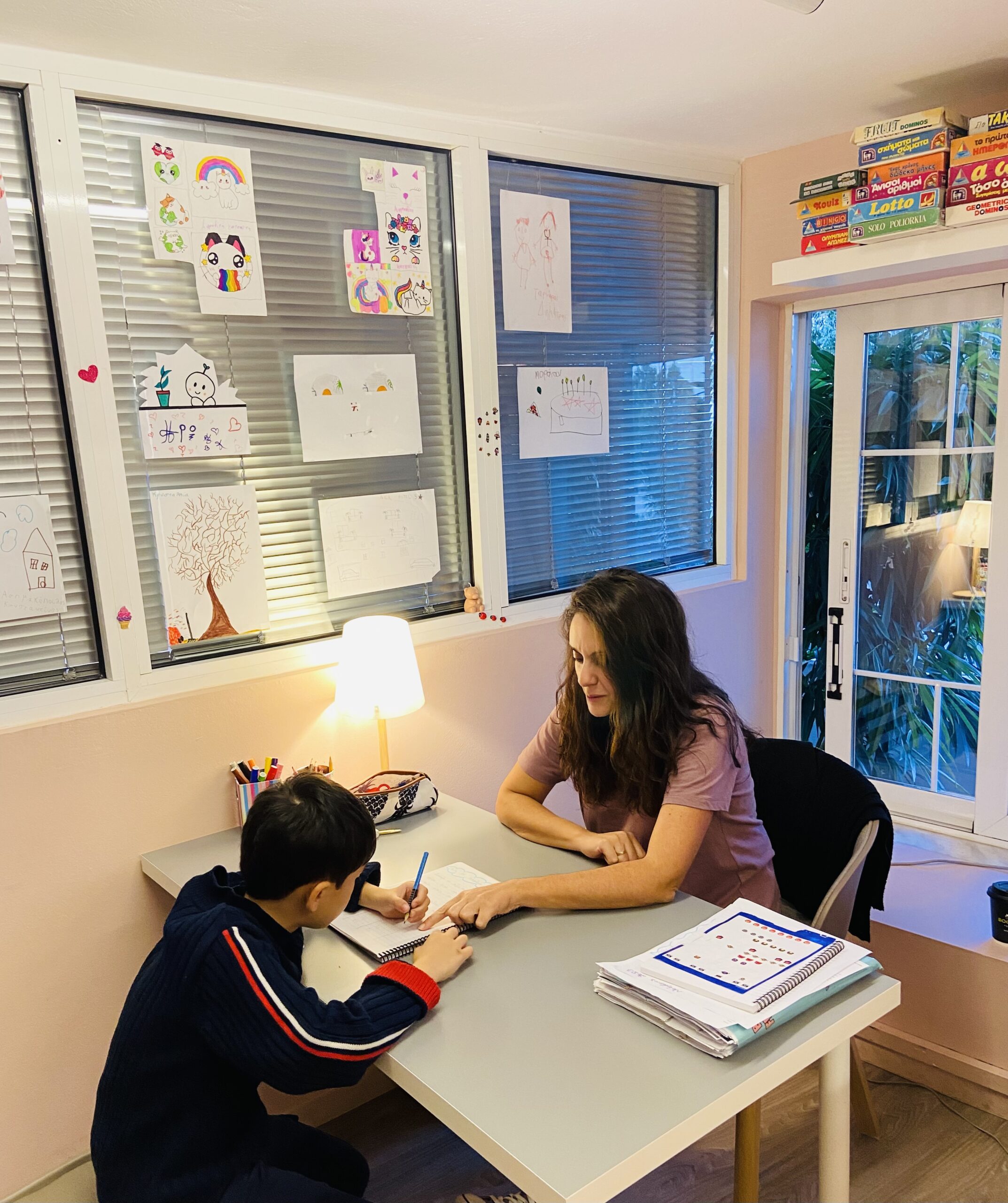
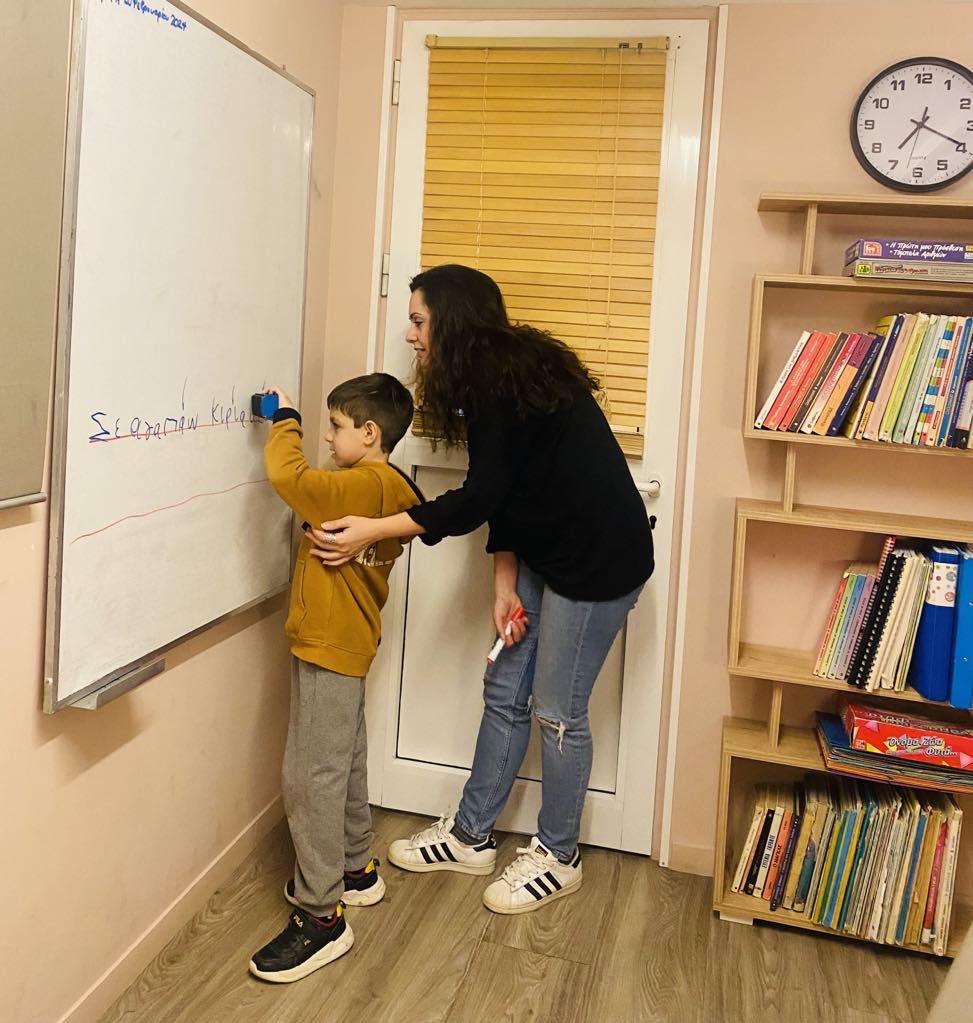
Special education does not consist of one type of intervention but is carried out in many different ways depending on the age of the child and the deficits he or she presents. On the one hand, it can deal with the self-care of a preschool child, as well as with the learning difficulties of a primary or secondary school child. Therefore, for younger children, special education is provided through activities aimed at functionality, while for older children it is provided through specialised writing, reading and arithmetic exercises aimed at practising learning skills.
Special Education for Children Prices & Cost
Special education is reimbursed by EOPYY on the basis of the old and very low tariff, i.e. 1.23 euros per session. For all the disorders coded according to the ICD 10 world health classification, the state pays between 6 and 10 special education sessions per month for 6 months or 1 year, i.e. EUR 7,38 for “hyperactive conduct disorder” and “atypical autism”, EUR 9,84 for “ADHD, cerebral palsy and simple attention deficit disorder” and EUR 12,3 for “autistic spectrum disorder”.
The cost of each session in special education centres depends on the programme each child follows, as it is usually combined with other special treatments.
The Special Education Centre for Children in Peristeri
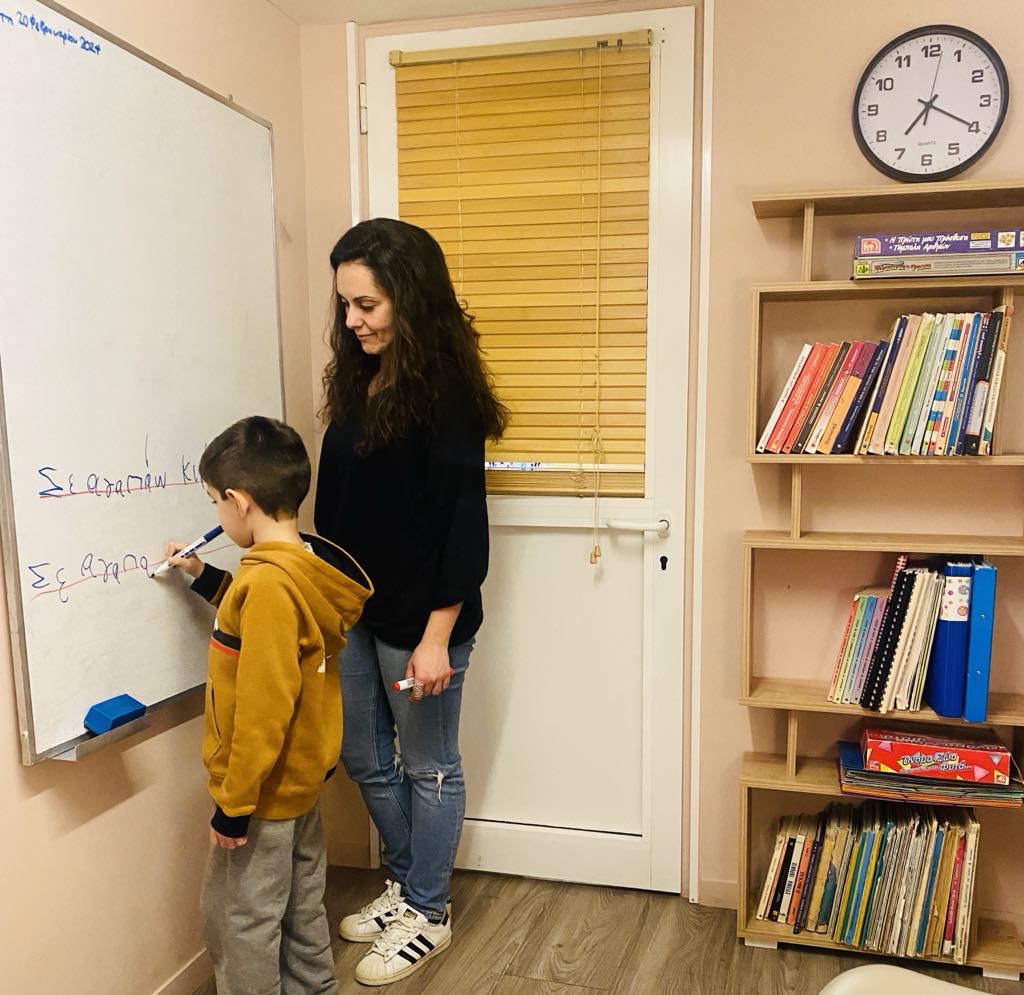
The Special Education Centre for Children in Peristeri, part of the Western Special Children's Centre, provides a critical service for children with special educational needs. At this center, experienced special educators apply customized teaching methods and techniques to provide children with the best opportunities for learning and development.
Through a rich curriculum and individualized attention, we aim to enhance children's academic, social and emotional skills. Our approach is collaborative and multi-layered, emphasizing the overall well-being and progress of each young hero, building their confidence and autonomy.