
Previous
Next
What is Occupational Therapy for Children & What are its Benefits
What is Child Occupational Therapy?;
Pediatric Occupational Therapy is a specialized health science that has as its main goal the functionality and autonomy of the child in the areas of his/her life according to his/her chronological age. It intervenes from months (early intervention) to adolescence.
The Role of the Occupational Therapist
The occupational therapist, through specialized methods, helps the child to improve, develop, strengthen and adapt the skills needed to cope:
- Personal care (self-care).
- At school (concentration, behaviour, academic performance).
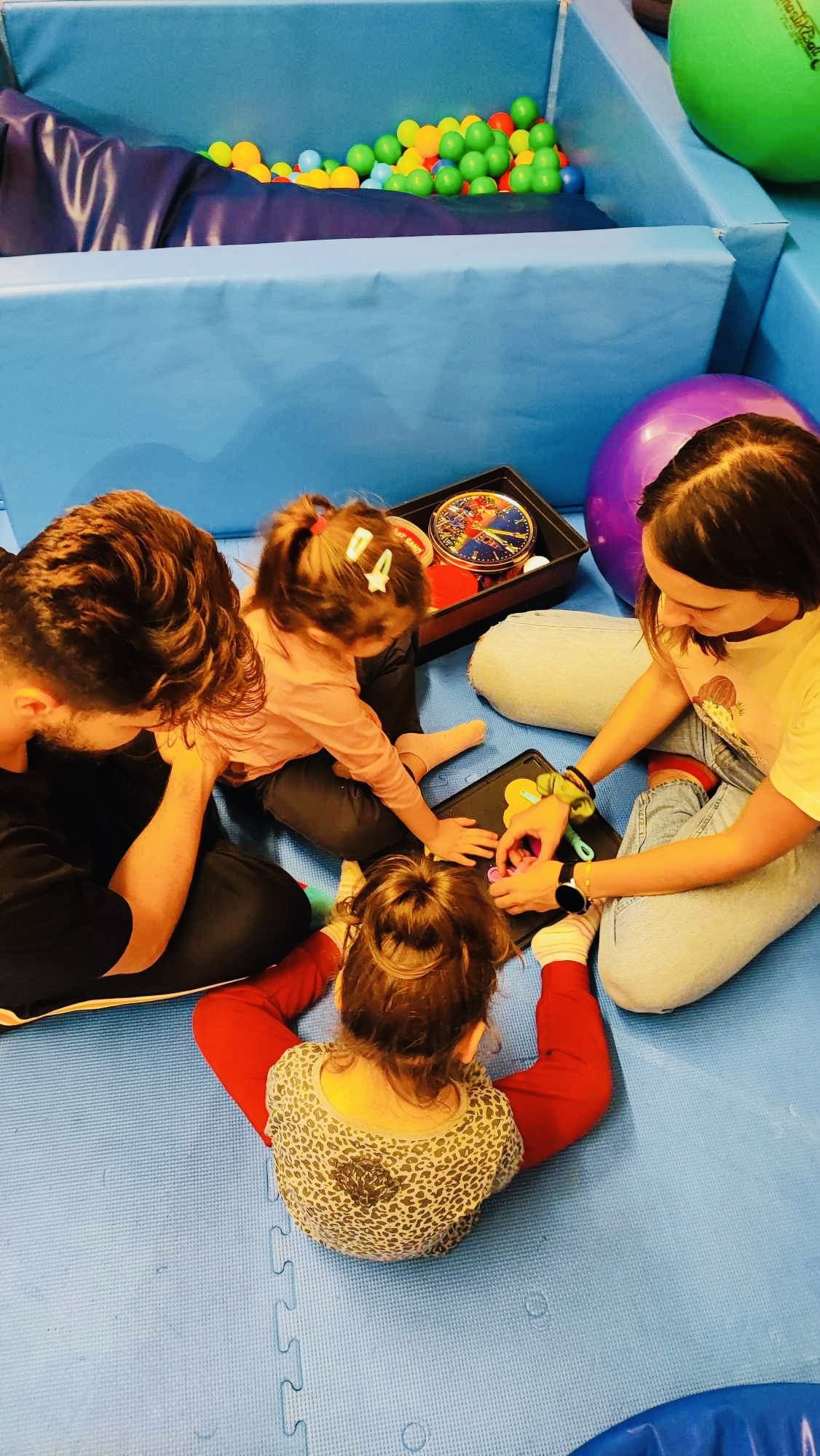
- Social interaction (cooperation, socialization).
- In play (functionality, imagination, participation).
The ultimate goal is for the child to be able to complete the activities on his/her own, without the therapist, parent or teacher in the room.
See how an occupational therapy assessment is done
Which disorders are treated with occupational therapy?;
The disorders that occupational therapy intervenes in are:
- Developmental disorders (autistic spectrum disorder, attention deficit disorder and hyperactivity disorder, etc.)
- Neuromuscular disorders (cerebral palsy)
- Genetic syndromes (down syndrome etc.)
- Graphomotor immaturity
- Dyspraxia
- Learning difficulties
What are the Benefits of Occupational Therapy for Children?;
Occupational therapy helps in the following areas in detail:
- Inherent mobility: Helps the child to use the upper and lower limbs skillfully (throwing, catching, kicking the ball), to run fluently, to have good balance, to pass obstacles, to hobble and cycle, to climb stairs independently, etc.
- Fine mobility: To be skilled in fine manipulations of hands and fingers (to be able to handle small objects, to button/unbutton buttons, zippers, to screw/unbutton a bottle, to grasp a pencil correctly, etc.) and to have sufficient performance in handwriting and motor skills (prewriting and copying exercises.
- Visual-motor coordination: To be able to synchronize the eyes with the movement of the body and hand (e.g. throwing a ball at a target, handling scissors, writing, making crafts, etc.).
- Cognitive functions: To cope satisfactorily with memory, concentration, attention, visual and auditory perception, spatial and temporal orientation.
- Activities of daily life: To be properly trained in personal hygiene, toileting, feeding, dressing/undressing, taking on responsibilities, organising leisure time and studying.
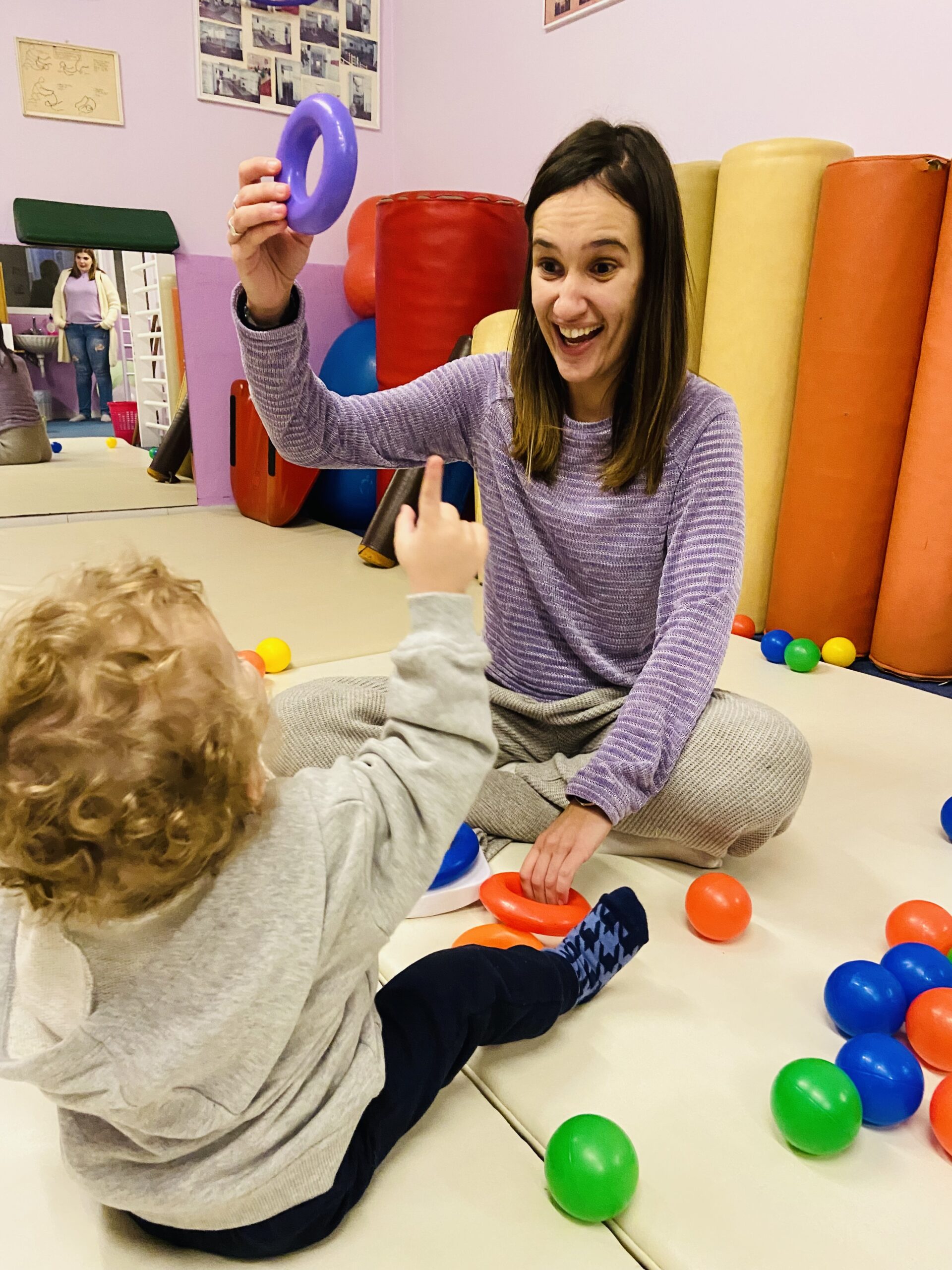
- Social skills: Have good extra-verbal communication (eye contact, finger pointing, name calling, greeting, etc.), obey rules, develop social curiosity, cooperate and improve relationships with children of the same age.
- Game: Waiting for his/her turn, understanding/participating in rule play, following instructions, developing his/her imagination and motivation, being able to make constructions or participate in physical and motor play.
- Sensory skills: The child's ability to organise the stimuli he/she receives from the environment in order to respond appropriately to all everyday conditions (e.g. not to close his/her ears to loud sounds, not to turn off the lights, to be able to dirty his/her hands, to eat all foods, to accept different textures, not to constantly seek rotational movements, etc.), which is cultivated through Sensory Integration (SI).
Procedure: How to do Occupational Therapy for Children
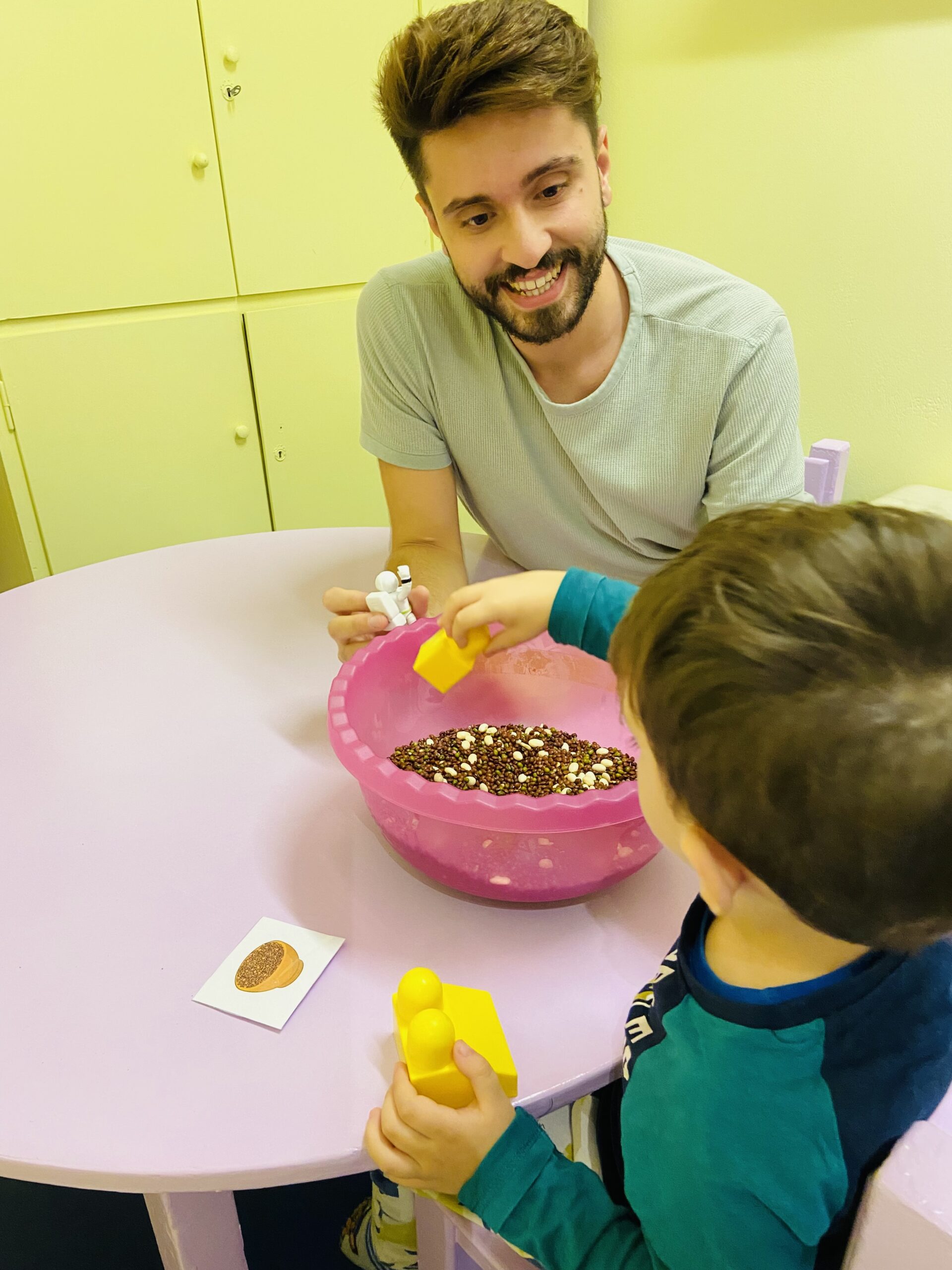
Occupational therapy is carried out through structured exercises and activities selected by the occupational therapist based on the assessment he/she has carried out. It essentially checks what the child has not mastered based on their developmental age and aims to specifically learn the skill that has not been spontaneously mastered by the child. For example, when a child cannot grasp a spoon or pencil with a proper grip, it first helps him/her in other ways to strengthen the use of the hand and fingers through appropriate materials (plasticine, pegs, lentils, etc.).
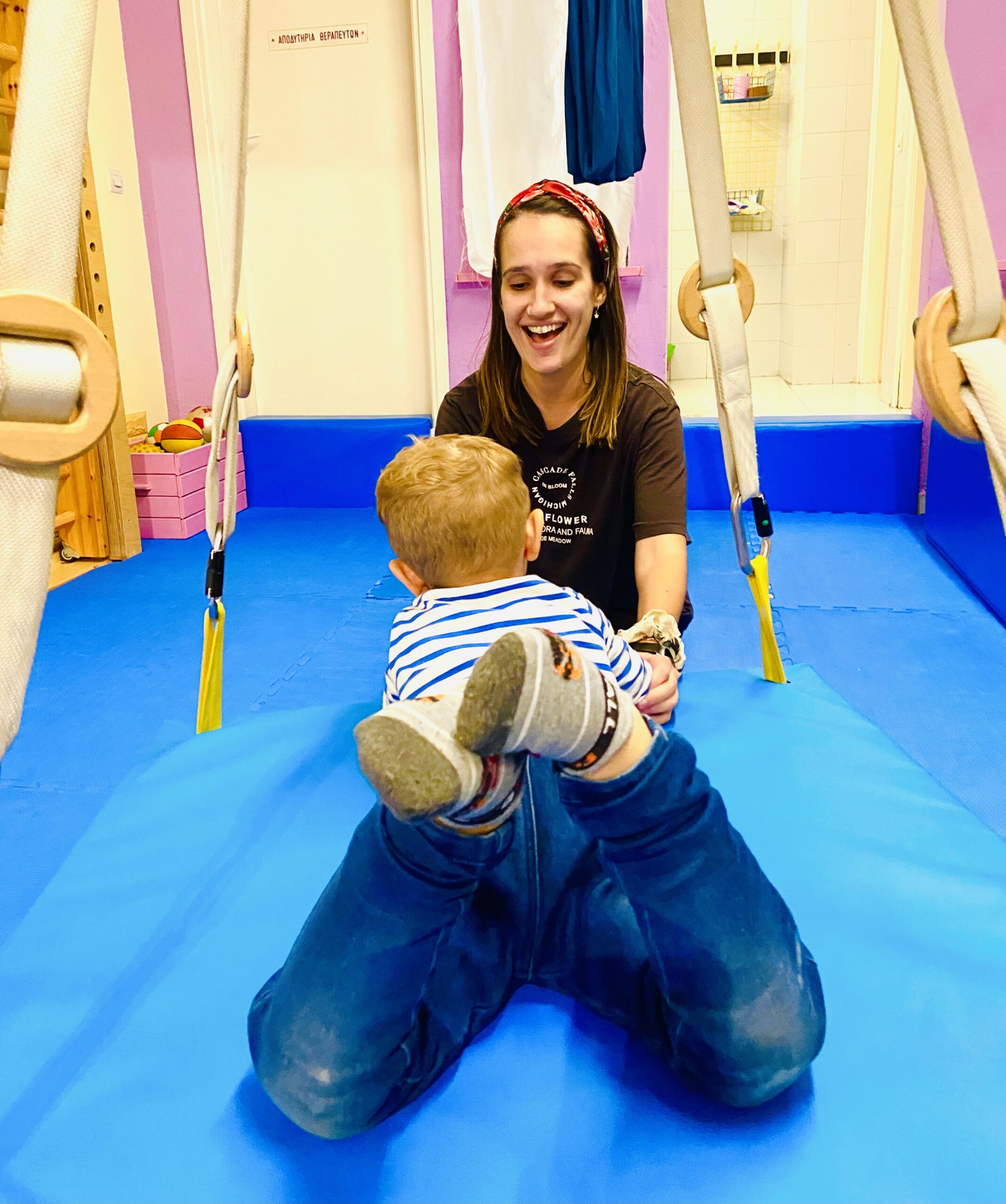
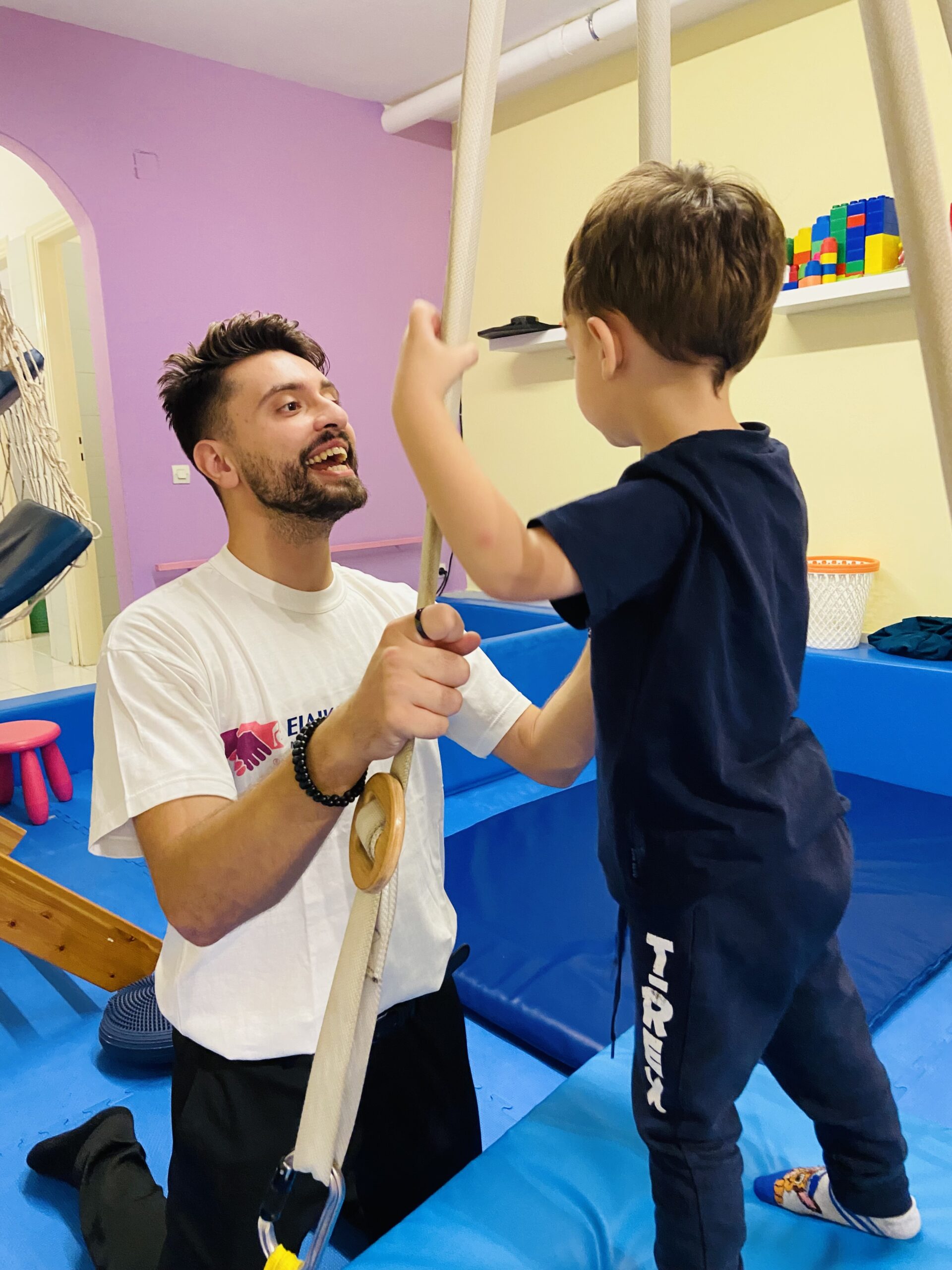
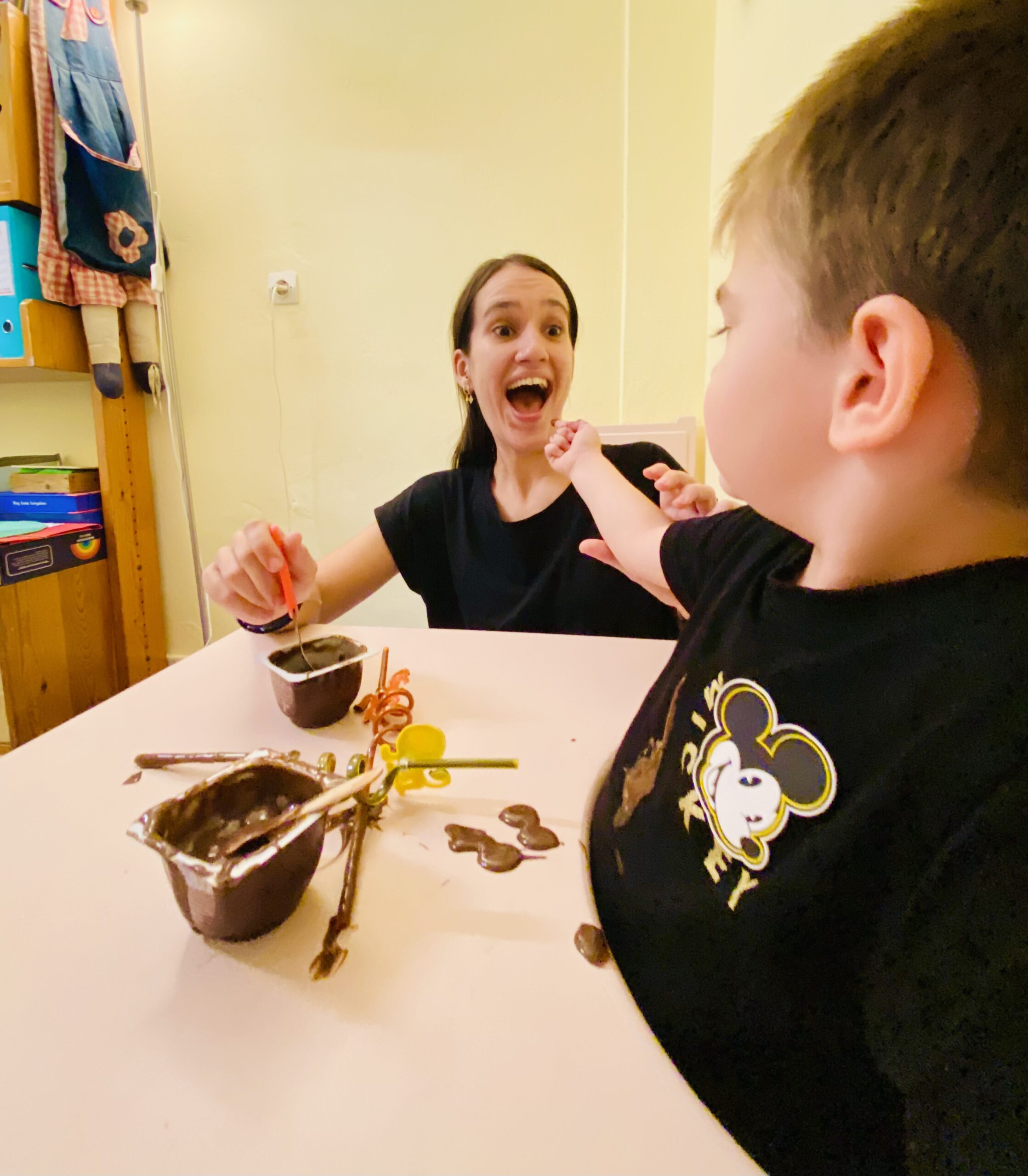
It also uses natural media such as water, sand, liquids, food or textures of all categories to familiarize the child to stimuli in a more organized way and to achieve an effect in a targeted and correct way. For motor difficulties or hyperactivity, it helps him through suspended and not only equipment (swing, hammock, fabric tear, unipod, climbing wall) to engage in activities that either frighten or disorganize him to improve coordination of movements or the execution of targeted actions.
It can also intervene in learning to write with specialised materials where the child learns step by step the ways to achieve the right result. Occupational therapy as a whole aims to carry out a task with coordination, precision, correct timing and quality in terms of outcome, in synergy with therapies such as physiotherapy.
See how an evaluation is done
Occupational Therapy for Children Prices & Costs
The cost and prices of occupational therapy vary based on the frequency of sessions required on a weekly basis and according to the severity of the disorder.
The state has so far reimbursed each occupational therapy session with 15 euros.
Special education centres in Athens usually charge between 25 and 40 euros per session. However, the children's opinions cover most of this cost.
Occupational therapies for children with difficulties are currently remunerated by the EOPYY with 120 euros per month (8 E/T for motor function disorder and mixed developmental disorders), 150 euros per month (10 E/T for hyperactive conduct disorder), 210 euros per month (12 E/T for attention deficit disorder and hyperactivity, autistic spectrum disorder, cerebral palsy, syndromes, etc.)
Occupational therapies have a duration of 6 to 12 months according to the disorder codes approved by the EOPY after a medical opinion from a private or state child psychiatrist, paediatric neurologist or paediatric developmental physician.
The Occupational Therapy Centre for children in Peristeri
The Occupational Therapy Center for Children in Peristeri, part of the Special Children's Center of West, is a vital space for the development and empowerment of children with various developmental challenges. Occupational therapy focuses on improving children's daily functioning and autonomy through the use of daily activities (tasks).
With a fully equipped space and qualified occupational therapists, we offer a range of personalized programs designed to meet each child's unique needs. Our aim is to help children discover and enhance their skills, enabling them to achieve maximum self-esteem and independence in life.