

Previous
Next
What is Sensory Integration SI & What it offers
What is Sensory Integration
Sensory Integration (A.O.) is a theory developed by Jean Ayres, an American occupational therapist, educational psychologist and advocate for people with disabilities.
It analyses and examines the relationships between the brain and behaviour. It is described as the building block for the development of adaptive behaviour (the ability of an individual to recognise something he or she already knows and to learn something new), so it is essential for learning, interaction with the physical environment and emotional and cognitive development.
The human brain is multisensory, i.e. it needs to receive combined sensory stimuli (e.g. visual and tactile stimuli) in order to interact with the environment in a more organised way and to mature. Many children have not developed this ability and as a result, when in environments with more than one sensory stimulus, they do not respond appropriately and exhibit behaviors such as withdrawal, irritability, hyperactivity, or crying.
«Sensory Integration is defined as the neurological process that organizes the senses from both the body and the environment so that we can use our body effectively in the environment. The spatial and temporal characteristics of sensory stimuli are amplified, concentrated and organized. Sensory integration is the processing of sensory information...» (A. J. Ayres, 1989).
See how an evaluation is done
The role of the occupational therapist in Sensory Integration
The occupational therapists, through their science, have as their main goal the independent living of the individual, and thus they find that when an individual cannot organize himself sensorially, he cannot respond to the demands of the environment. Through A.O. they train the individual to process, discriminate and respond to stimuli received with the aim of learning, generalising and adapting appropriately to new information. For example, in children who do not tolerate mowing, the A.O. tries to create the necessary conditions for the child to receive stimuli (tactile, proprioceptive or auditory at the same time) throughout the body and then on the head using various techniques.
What are the disorders treated with Sensory Integration
The Sensory Integration Method is applied to children, adolescents (and adults) who have dysregulation, discrimination, or dyspraxia.
- Regulation disorder: When they perceive the senses to be inflated or poor, e.g. hypersensitivity, hypoesthesia or heightened stimulus seeking (e.g. feeling the sound of a simple bell multiply or, on the contrary, remaining undisturbed at the sound of an explosion, rubbing their body frequently against fabrics, seeking sharp falls).
- Discrimination disorder: Idiosyncratic discrimination, when they do not understand how much force is needed to hold or throw an object (ball, pencil, bag). Tactile discrimination, when they cannot answer where someone touched them.
- Dyspraxia: Difficulty in ideation, e.g. not being able to think of alternative ways of working or acting with an object. Difficulty in motor planning, e.g. not being able to go through a tunnel without touching their head, or making synchronised jumps. Difficulty in performing, e.g. not being able to imitate a movement shown by an adult.
These disorders can occur either individually or in combination. They are often found because of a developmental disorder such as autism spectrum disorder, fragile X syndrome, or ADHD.
What are the benefits of Sensory Integration
It is a method that helps the child, either completely or complementarily with other methods, to process and organize the stimuli he receives from his environment when he is not able to do so on his own. This reduces the level of arousal, stereotypes and improves overall communication. In addition, it helps parents to shape his space and home environment more appropriately while also giving ways of coping to normalize the tactile, auditory, visual and proprioceptive systems that are disorganized.
See how an evaluation is done
Procedure: How Sensory Integration is done
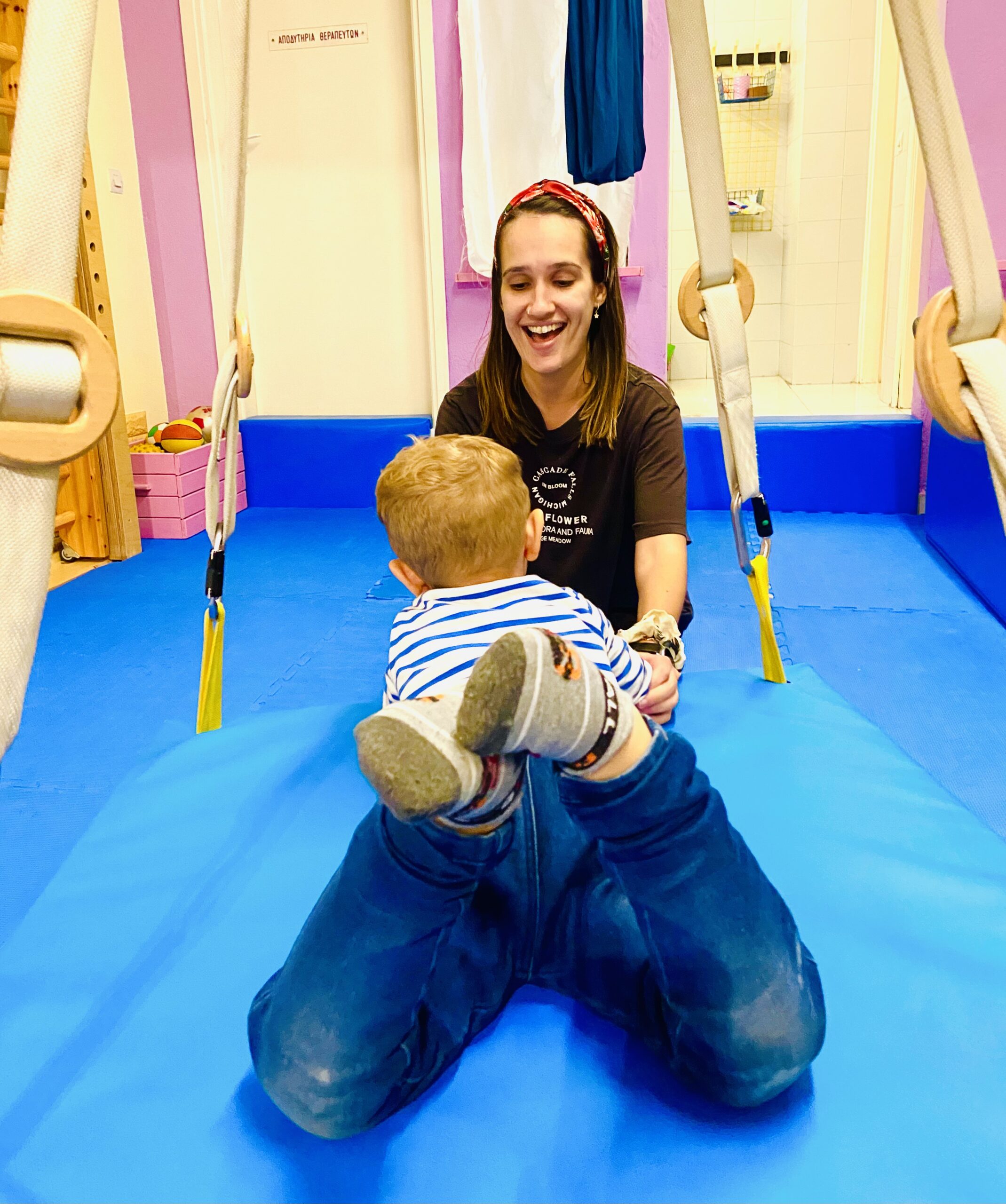
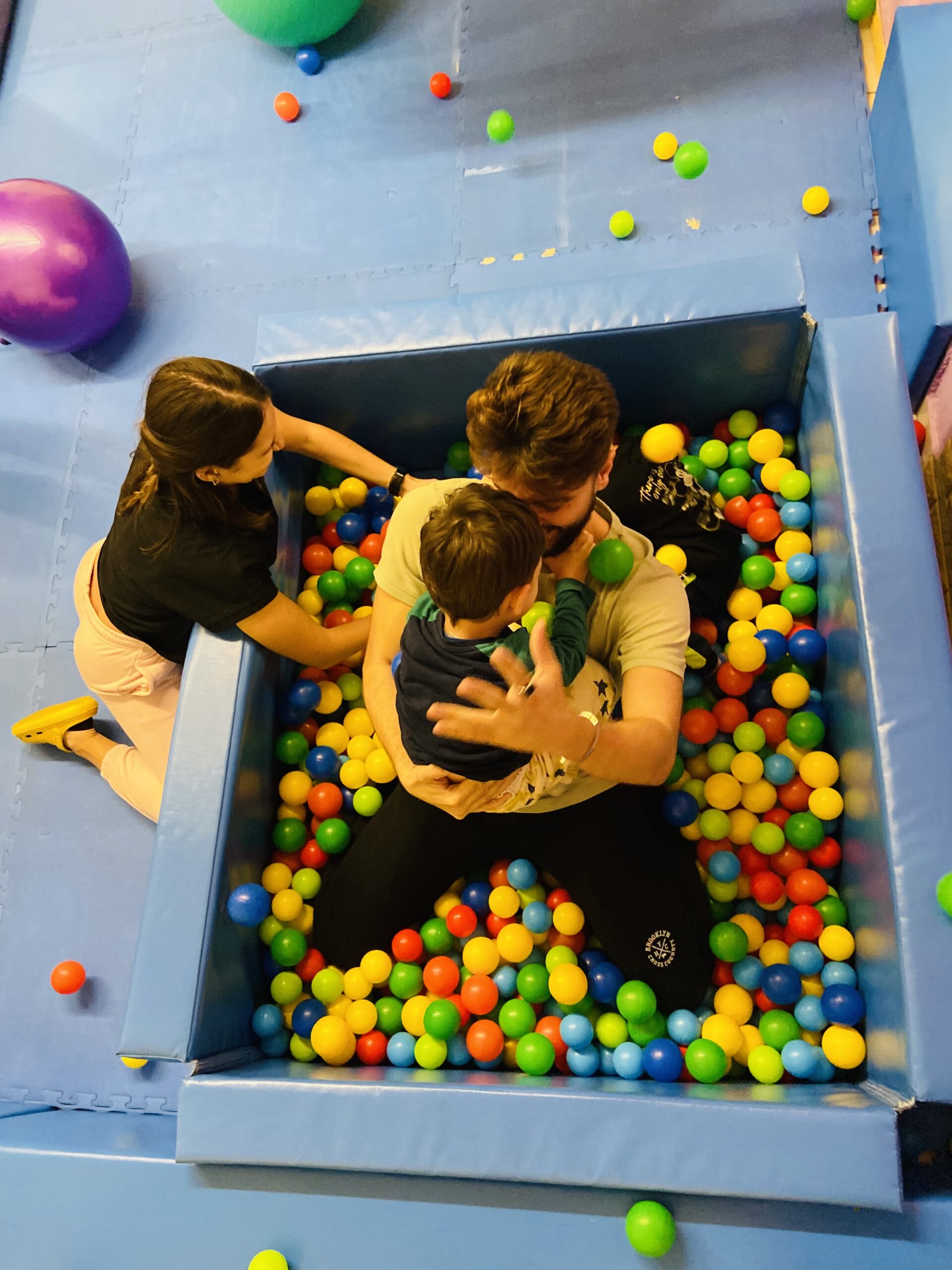
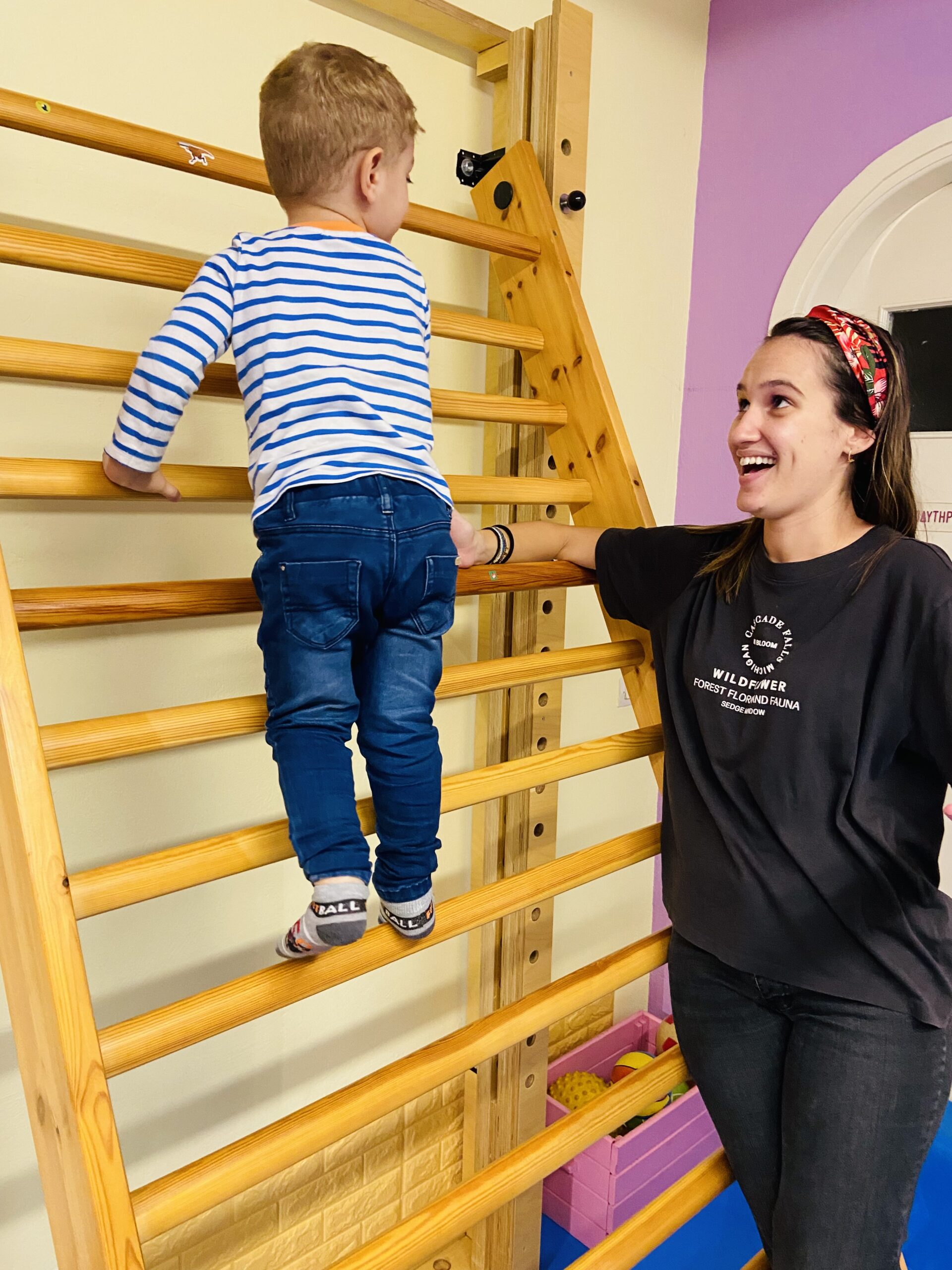
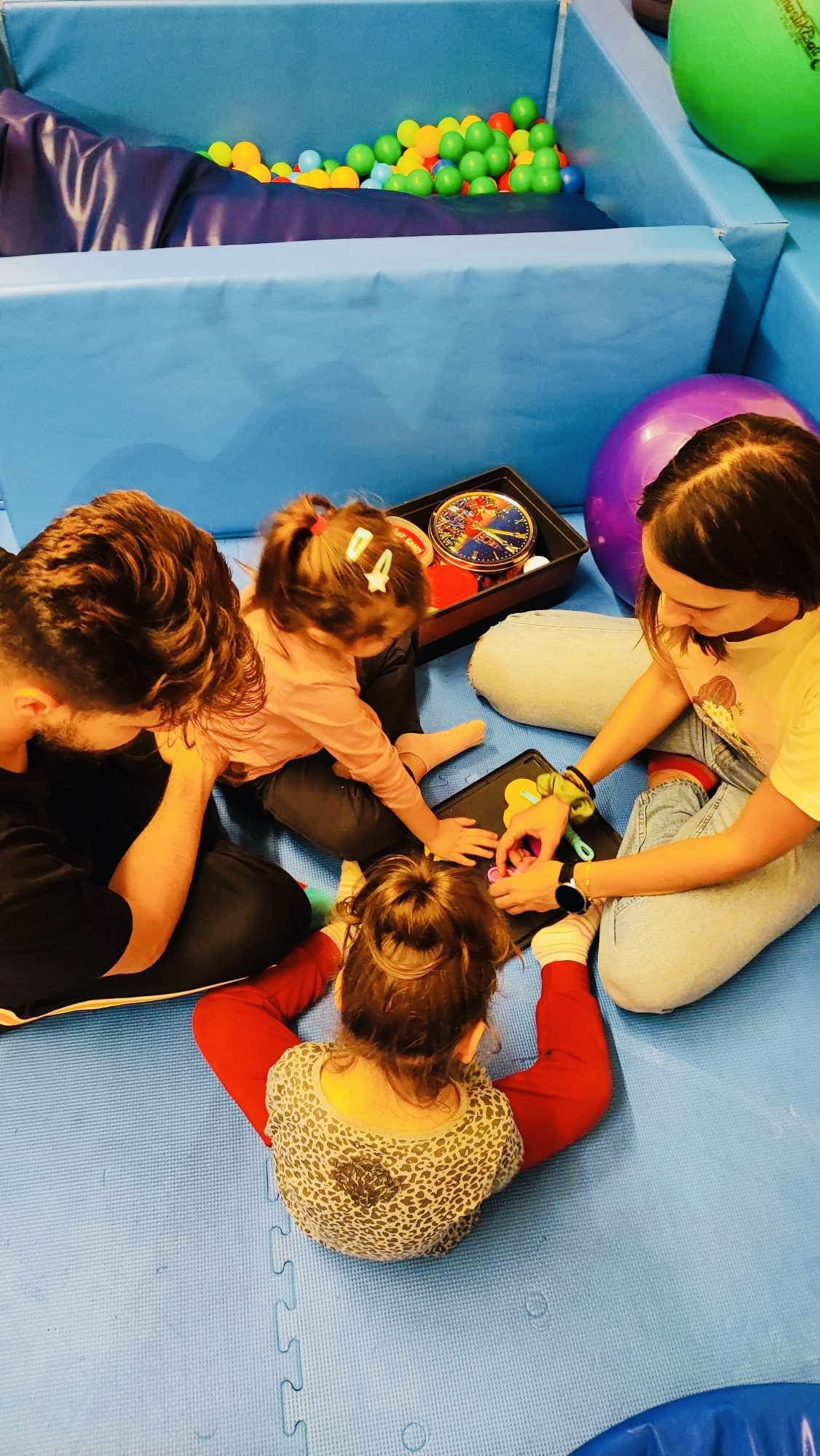
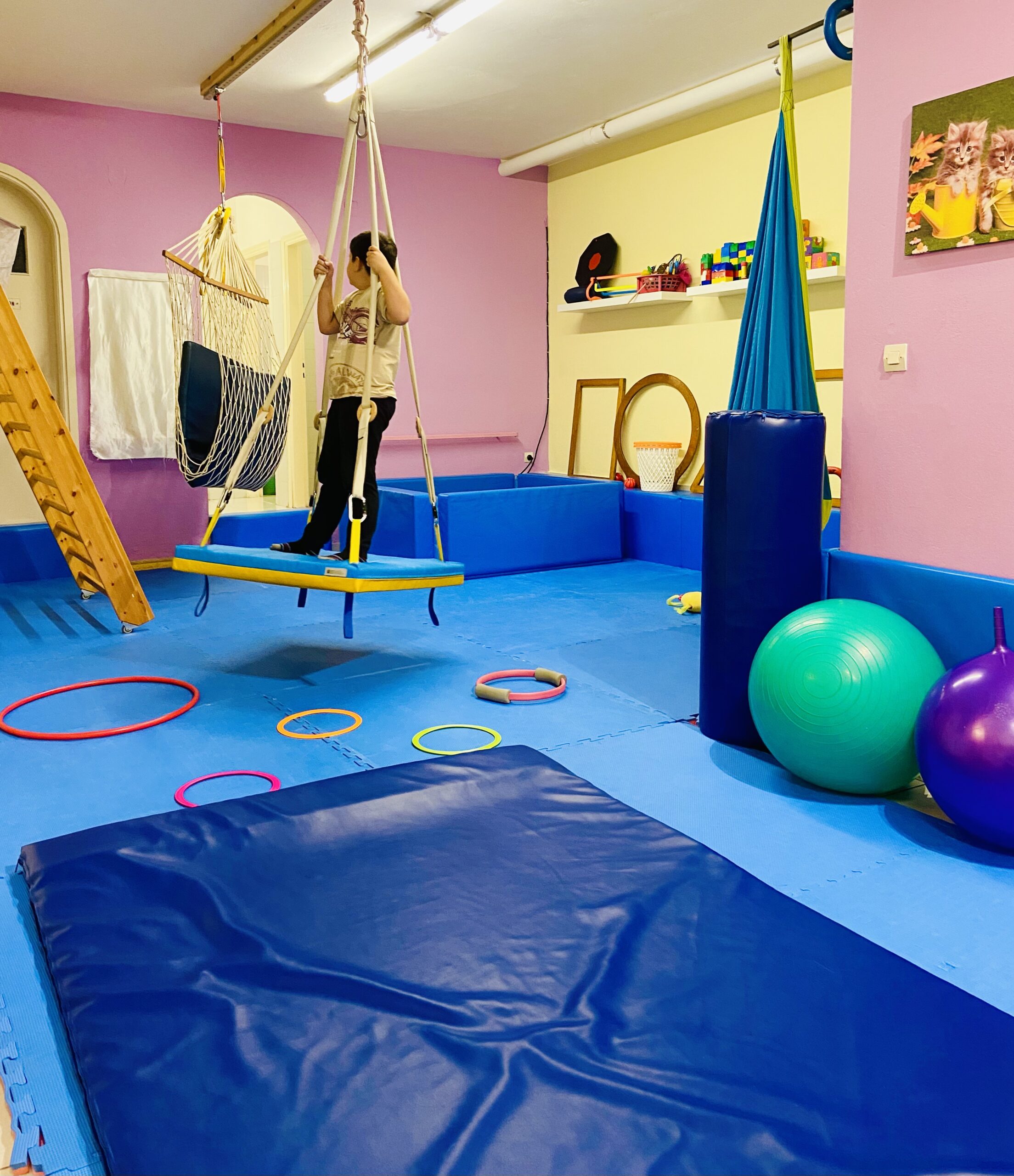
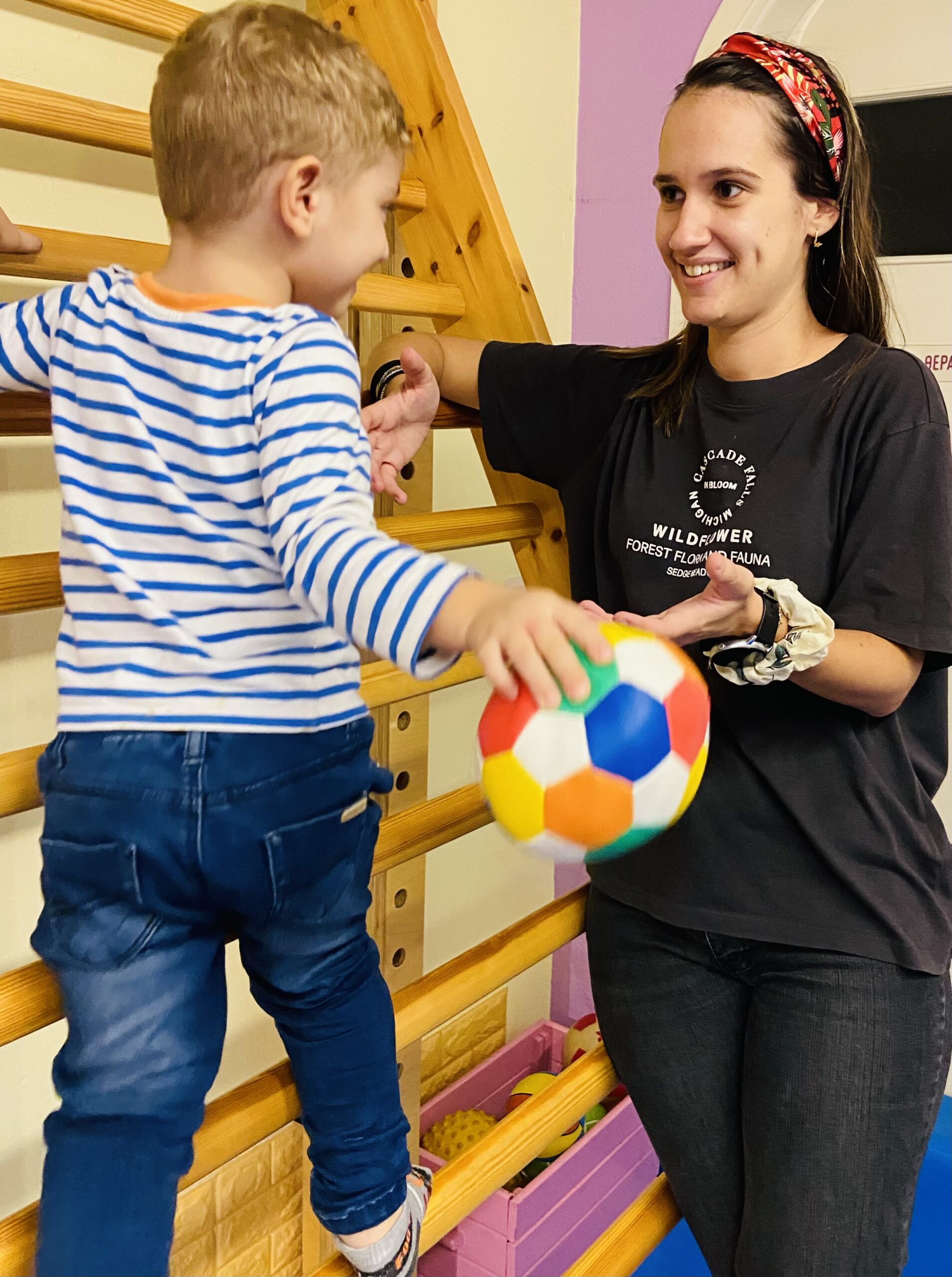
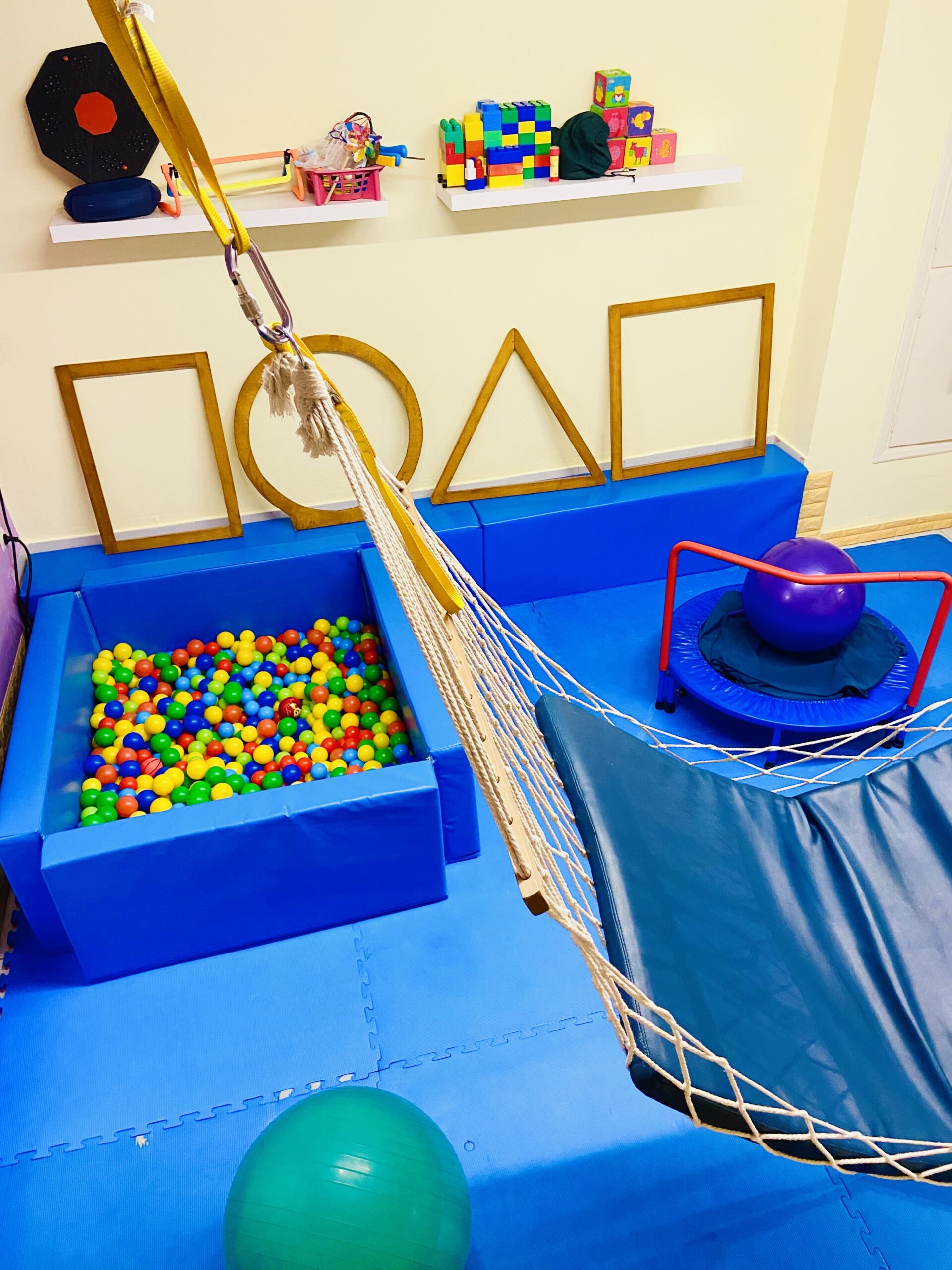
Sensory integration takes place in a specially designed room, the sensory integration room, where the occupational therapist, after assessment, composes a series of activities adapted to the needs of each child.
These activities are performed with targeted equipment or therapeutic materials that contribute to the normalization of the child's sensory processing. By giving appropriate sensory stimuli (either visual, tactile, or using the suspended equipment for height, depth, linear and circular movements, etc.) the child organizes his/her sensory systems which may be in hyper or hypersensitivity/excitability.
Thus, once they are set, the child can perform tasks that are more appropriate for his or her developmental age with greater ease (such as writing, gross or fine movement, play, self-care, etc.). In areas of self-service, such as dressing/clothing, it is based on recording the causes that prevent the child from acting correctly and giving him/her the appropriate stimuli of different textures, sense of movement, action in order to create a better ground for responding to the task at hand, with the aim of generalising the success of the task.
The range of ways to intervene in sensory integration is vast, so only through the in-person monitoring and training of parents can the whole process be understood, in many cases, the physiotherapy works complementary, enhancing motor development and proper body function.
Sensory Integration for Children Prices & Cost
The cost of sensory integration is included in the cost of occupational therapy sessions. Therefore, there is no specific price for this method alone, but it is absorbed into the overall cost of occupational therapy.
The state has so far reimbursed each occupational therapy session with 15 euros.
Special education centres in Athens usually charge between 25 and 40 euros per session. However, the children's opinions cover most of this cost.
The Sensory Integration Centre for children in Peristeri
In Peristeri, the Special Children's Centre of Westiki hosts the Sensory Integration Centre, which is aimed at children with sensory processing difficulties. This center aims to improve children's ability to process and respond to sensory stimuli from their environment, which is vital for daily functioning and learning.
Through specialised techniques and activities developed by occupational therapists, the centre helps children improve their sensory integration, thus enhancing attention, concentration, learning and social interaction. The centre's approach is tailored to each child's unique needs, providing a positive, playful and safe atmosphere for learning and development.