
What is scoliosis?;
Definition
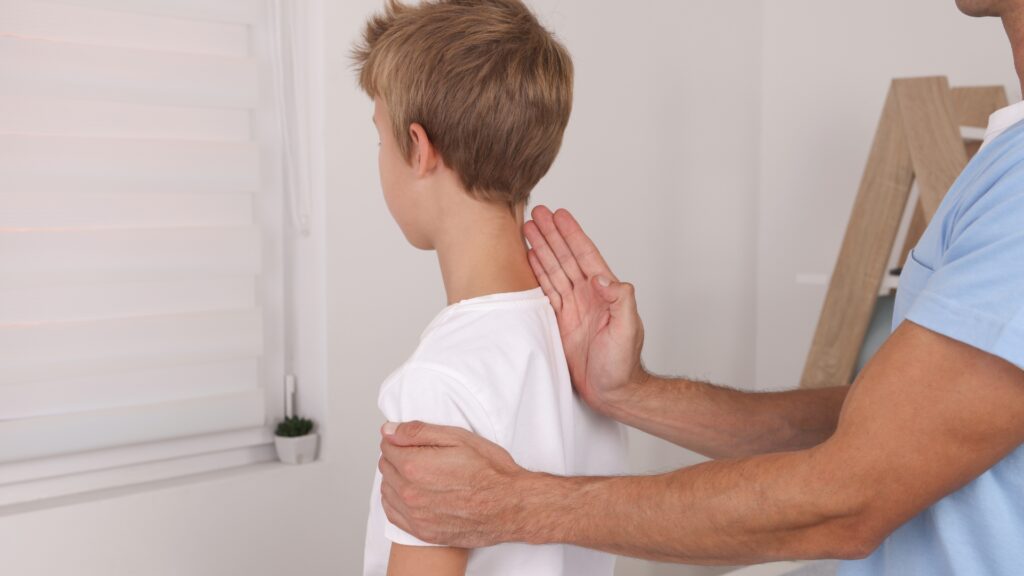
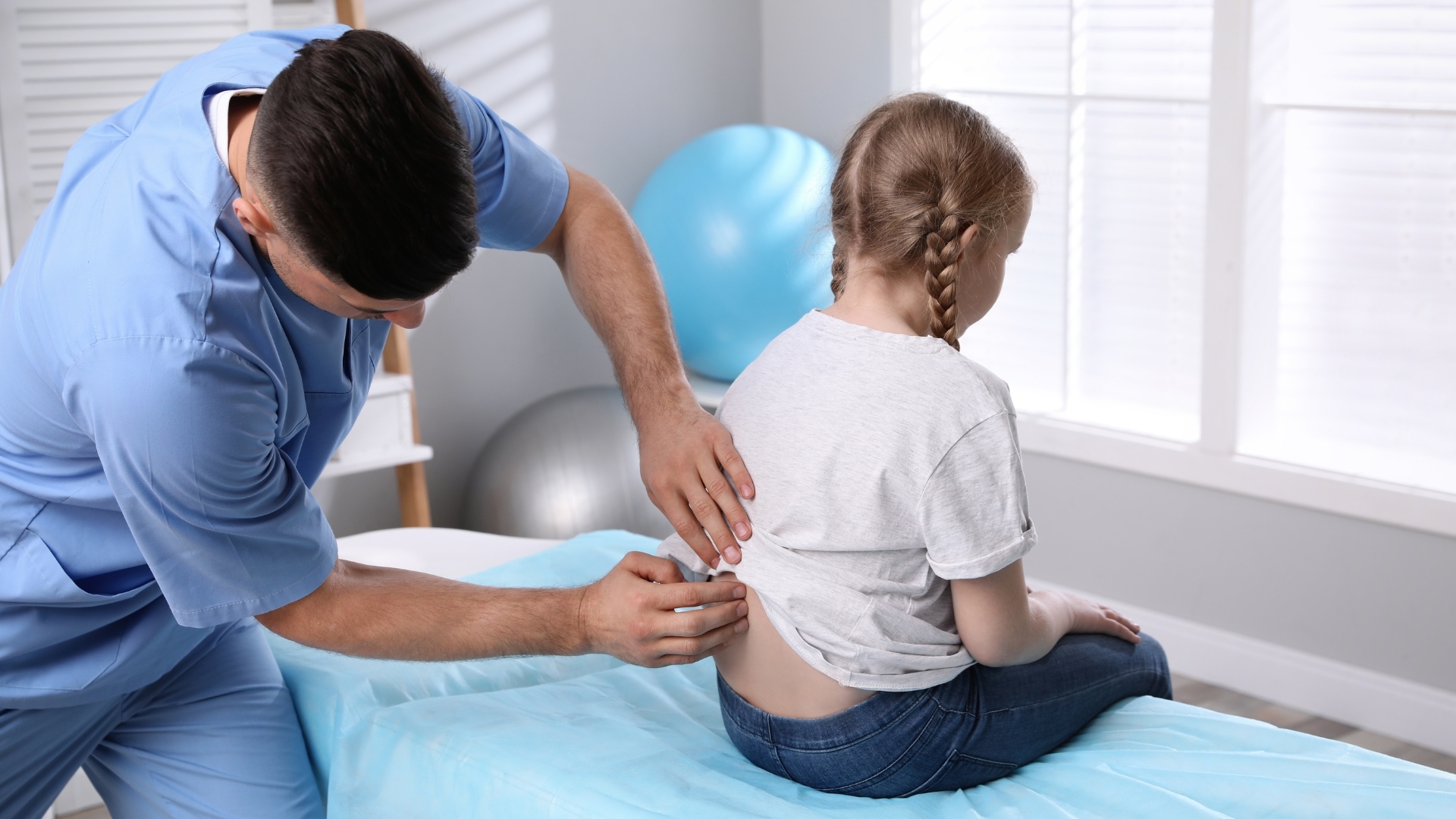
Scoliosis is a disorder of the spine characterized by lateral deviation, rotation and deformation of the vertebrae, resulting in an “S” or “C” shape of the spine. It is a condition that can occur at any age, although it is most common during childhood and adolescence. Depending on its form and severity, it can affect posture, balance and, in some cases, cause pain or breathing problems.
Common forms of scoliosis
There are different types of scoliosis. Idiopathic is the most common, is of unknown cause and does not show symptoms as scoliosis. It is usually seen in children and adolescents.
Neuromuscular scoliosis is caused by diseases of the nervous or muscular system, such as cerebral palsy and muscular dystrophy. Congenital scoliosis results from abnormalities in the formation of vertebrae during fetal development.
Functional scoliosis, on the other hand, is not related to a structural abnormality but is caused by external factors, such as anisoskeleton, severe discopathy, intense muscle spasm or poor posture, and can be corrected if the underlying cause is treated.
Many cases of scoliosis are mild and do not require treatment, but it is important be monitored by specialists to prevent deterioration. If the curvature is more severe, it may be necessary to physiotherapy, the use of a guardian or, in extreme cases, surgery to maintain proper spinal alignment.
Symptoms and effects of scoliosis
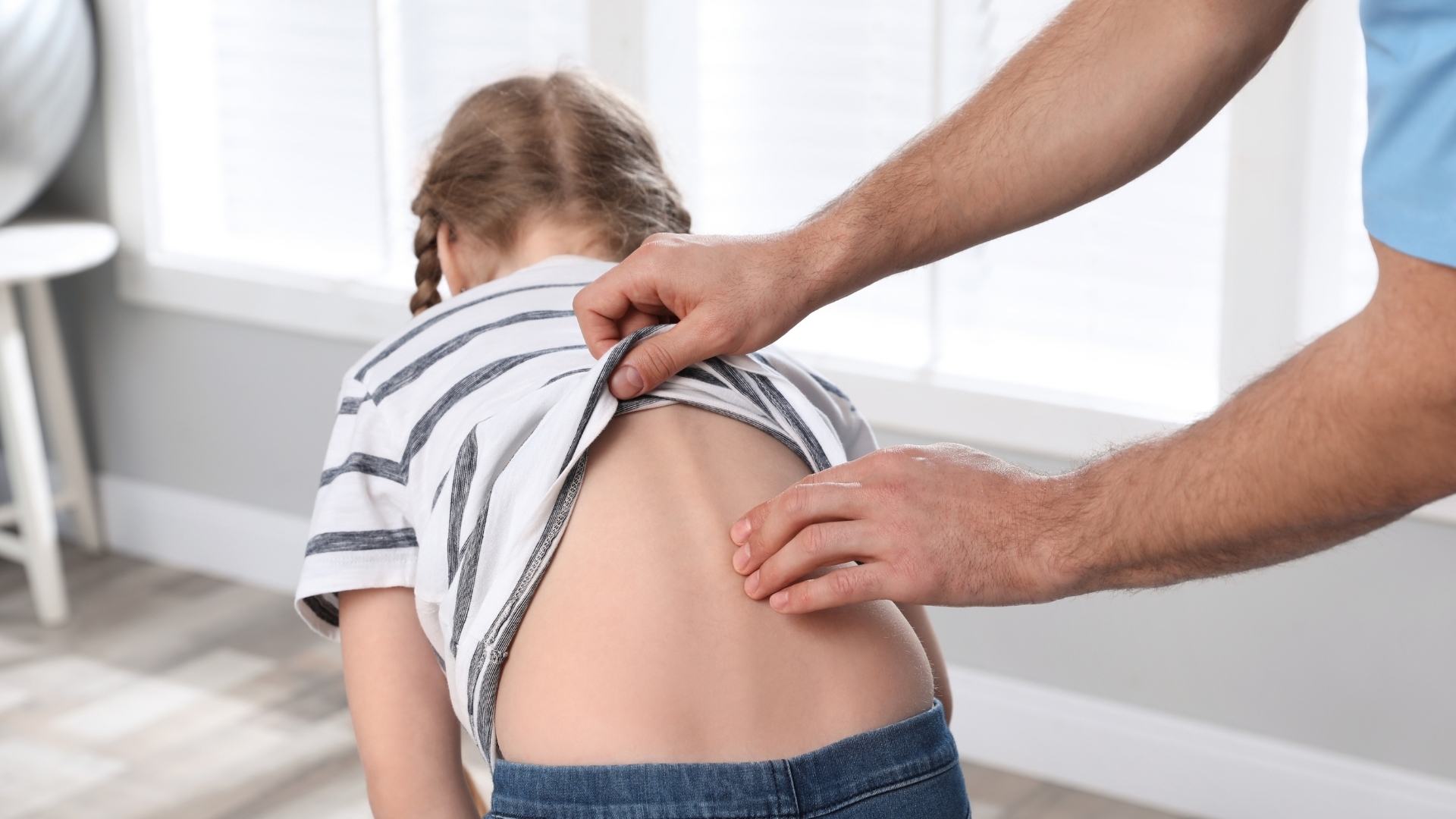
Scoliosis can affect the body in several ways, depending on the severity of the curvature. Its symptoms may be mild and difficult to notice at first, but in more advanced cases they become more prominent and can cause functional problems.
Scoliosis symptoms
One of the main features of scoliosis is the asymmetry of the body. It is often observed that the shoulders, hips or ribs are not at the same height, creating an obvious slope to one side. The torso may appear to be leaning, and in some cases the ribs may protrude more to one side due to the twisting of the spine.
In addition, a change in posture is a common symptom, as the curvature of the spine affects the way the body balances. In severe cases, scoliosis can cause breathing problems, as the pressure on the lungs can reduce their functional capacity.
Effects of scoliosis
The effects of scoliosis can affect both the physical and psychological state of a person. In scoliosis pain will occur in the back and lower back, and is one of the most common problems, which can be due to incorrect distribution of pressure on the muscles and ligaments.
In cases of high curvature, there may be changes in the final height of the person, as the spine does not develop normally. At the same time, the aesthetic changes caused by scoliosis, such as obvious curvature and change in posture, can affect the person's self-confidence.
Particularly in adolescents, scoliosis can have a significant psychological impact. The visible changes in their body can make them feel uncomfortable with their appearance, leading to low self-esteem or social isolation. For this reason, apart from the physical treatment of scoliosis, psychological support is equally important for the well-being and smooth continuation of daily life of people suffering from it.
Diagnosis of Scoliosis
The diagnosis of scoliosis is based on the combined assessment of clinical and radiological examination. Early detection of the condition is important as it allows for appropriate treatment and prevention of worsening spinal curvature.
How is the diagnosis made?;
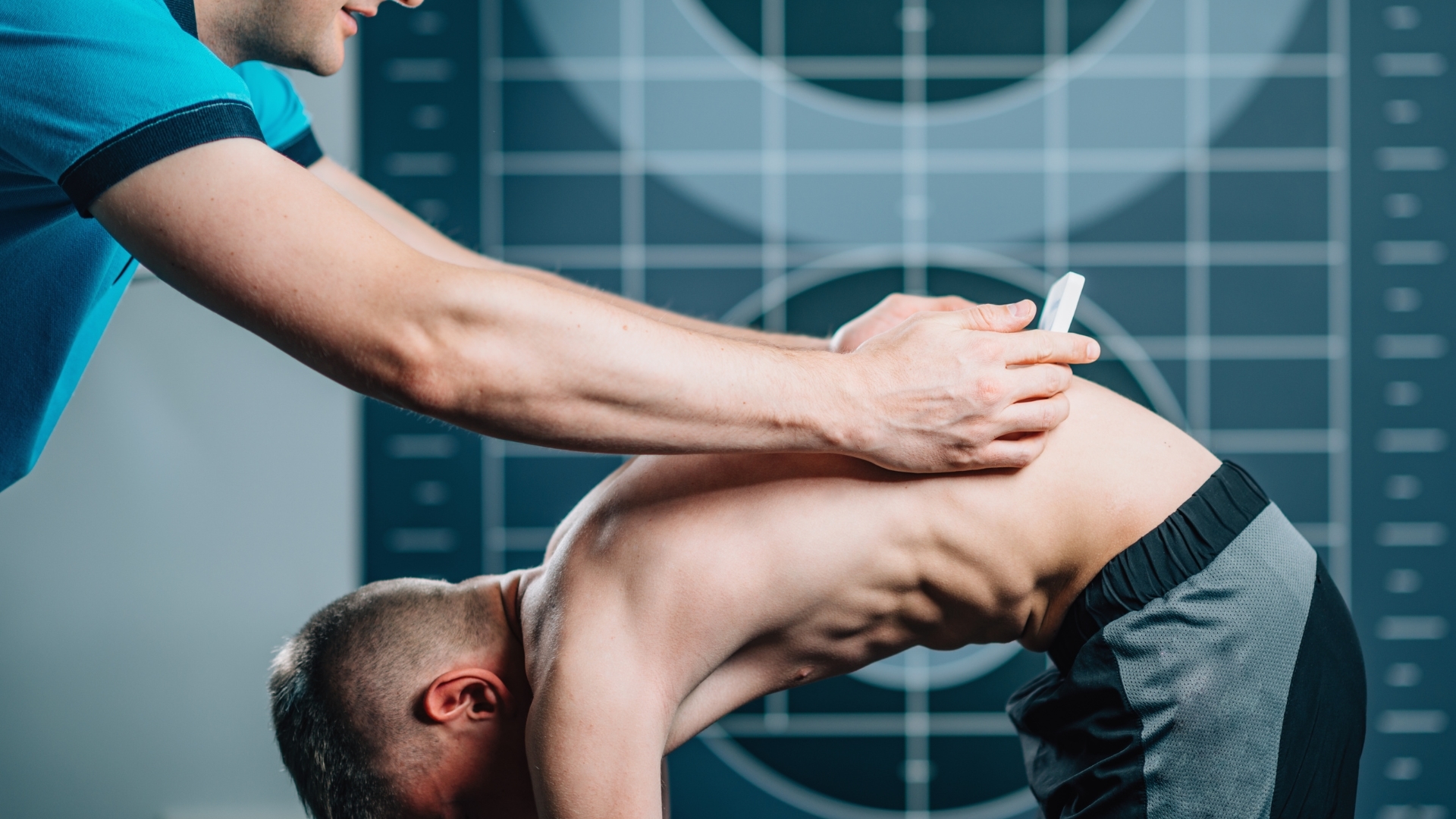
The initial diagnosis is usually made by clinical examination. One of the most commonly used tests is the Adam's test or Adam's test admission test.
The patient leans forward, arms relaxed, while the doctor observes if there is any asymmetry in the shoulders, ribs or back. If there is obvious asymmetry, the test is considered positive and further testing is required.
After clinical evaluation, the diagnosis is confirmed by radiographs or magnetic resonance imaging (MRI). X-rays use the Cobb angle, which measures the curvature of the spine. If the Cobb angle is greater than 10 degrees, then scoliosis is confirmed.
A newer and more advanced method of measurement is Formetric 4D, which provides a 3D visualisation of the spine without the use of radiation. This technique is particularly useful in cases of scoliosis in adults, children, adolescents, and pregnant women, as it offers high accuracy and reliability without the risks of radiation.
Diagnosis for scoliosis in children
Scoliosis in children is often diagnosed at the age of 10-15 years, as the condition occurs mainly during the period of development. In many countries, they are preventive controls in schools for early detection.
Diagnosis for scoliosis in adults
In adults, scoliosis can occur due to degeneration of the vertebrae and wear and tear of the discs with age. This type of scoliosis is usually accompanied by chronic pain and stiffness, affecting the person's quality of life.
Scoliosis treatment and treatment
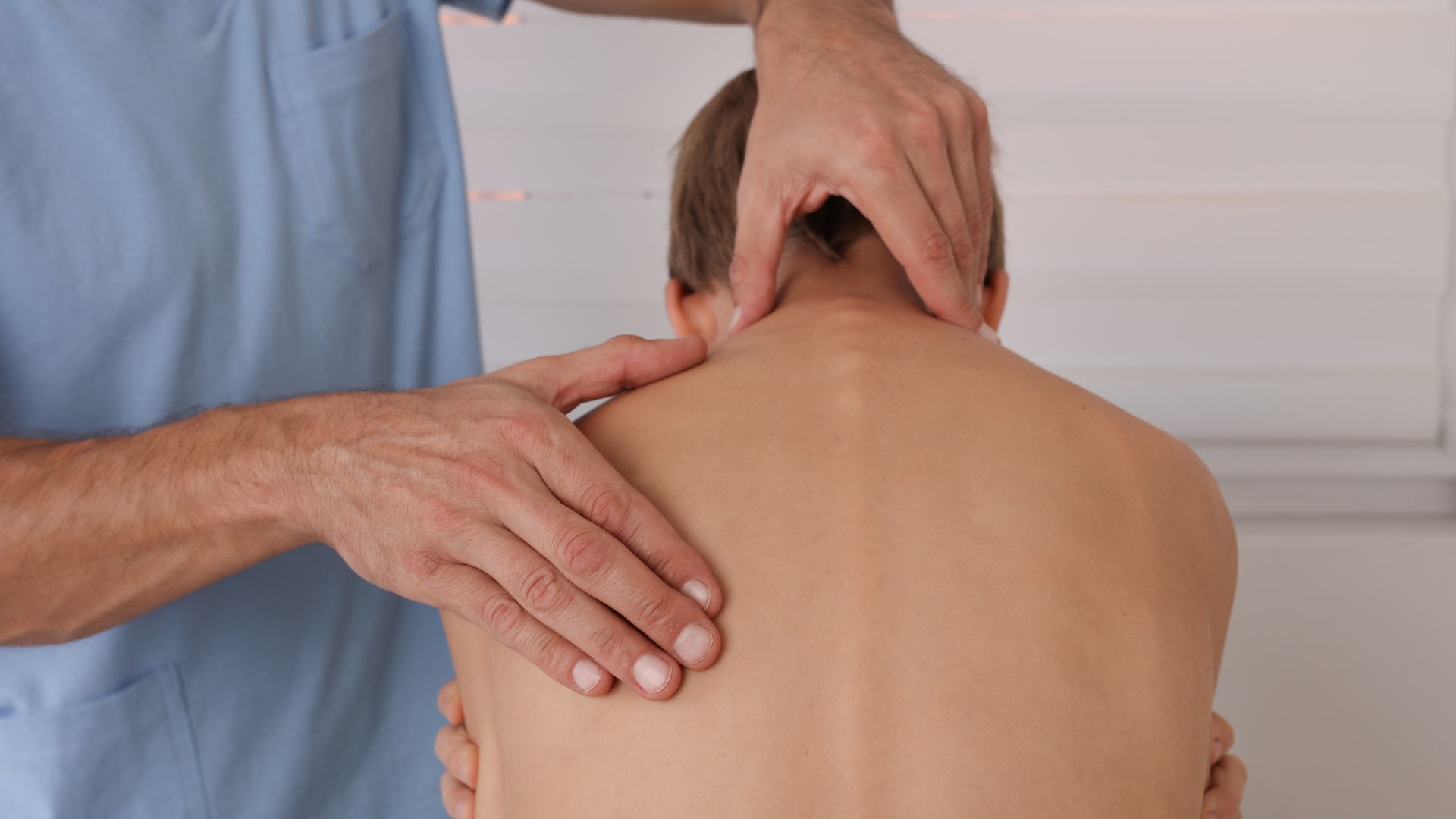
The next question is how scoliosis is treated. This depends on the severity of the curvature of the spine, which is measured in degrees by the Cobb angle. Depending on the degree of curvature, scoliosis is divided into three categories, each requiring a different treatment approach.
Conservation methods
Guardians
Guardians are commonly used in cases of scoliosis in children and adolescents to prevent deterioration, but do not correct the existing curvature. All they do is help stabilize.
In cases where the curvature exceeds 25 degrees (up to 45 degrees) and while the child is still developing, the use of a spinal guardian is recommended. The scoliosis guardian is intended to prevent the scoliosis from worsening, but does not correct the existing curvature.
For this reason, it is combined with physiotherapeutic exercises, in order to strengthen the muscular support of the spine and improve posture.
Physiotherapy exercises
Mild scoliosis, which is up to 25 degrees, is mainly treated with physiotherapy exercises, which strengthen the muscles of the back and abdomen. The most common method is the Schroth method, which involves breathing exercises, strengthening the trunk and improving the flexibility of the spine. Regular practice of these exercises helps to stabilize the spine and prevent the deterioration of curvature, avoiding the need for the use of a guardian.
Surgical treatment
It is indicated in severe cases, when the scoliosis exceeds 45 degrees and conservative treatment has not produced the desired results. The most common surgical method is spinal fusion, where the vertebrae are fixed with rods and screws to correct the curvature
This option is used when other methods do not work. The choice of the appropriate treatment depends on the stage of the condition and the age of the patient, with the aim of achieving the best possible quality of life.
Analgesic scoliosis
It is a form of scoliosis caused by muscle spasm due to pain. It can be treated with natural remedies
and medication to reduce muscle spasm.
Scoliosis exercises: which ones should I follow?;
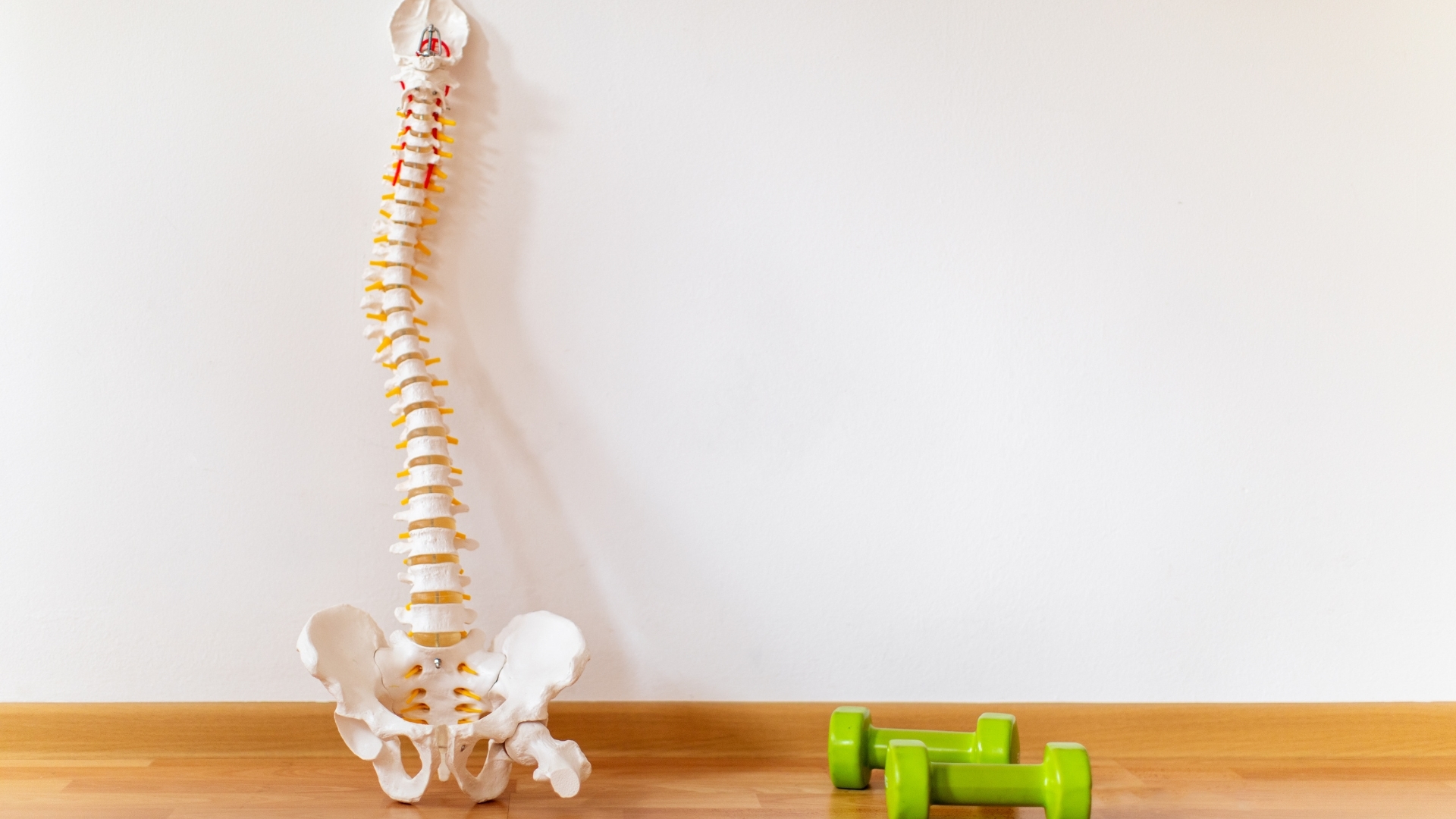
Scoliosis exercises: supplementary strengthening exercises
General trunk strengthening exercises can be applied, which help to stabilize the spine and improve posture. Exercises such as lateral stretches and core exercises to support the spine, pilates and yoga are ideal.
These enhance stability, flexibility and muscle balance, but exercises with tires or light weights, under supervision, to strengthen the muscles of the back and abdomen, will further help to strengthen and understand the correct posture of the body if done in the right way.
Exercises to avoid
Are there any exercises that are forbidden in scoliosis? The truth is that no, there are no strictly forbidden exercises, but it is important that you do them avoid movements that put a strain on the spine.
Particular attention should be paid to: lifting weights with the wrong posture, as it can increase the curvature of the spine, but also to strong twisting movements, such as sudden rotations of the torso, which can cause additional strain. Proper guidance from a physiotherapist is essential to ensure that the exercises are done safely and have the maximum therapeutic effect.
Schroth method
Exercise plays a key role in the management of scoliosis, with the Schroth method being the most reliable and appropriate treatment method. It is a specialised physiotherapy programme, applied exclusively by certified physiotherapists.
This method focuses on correcting the curvature and rotation of the spine, selectively activating the muscles and strengthening the weak points of the body, seeking to bring the spine as close as possible to its normal position. Through specific breathing exercises and muscle strengthening, the child learns to perceive changes in his/her body, to correct them on his/her own and to maintain the correct posture throughout the day.
Scoliosis and Guardians
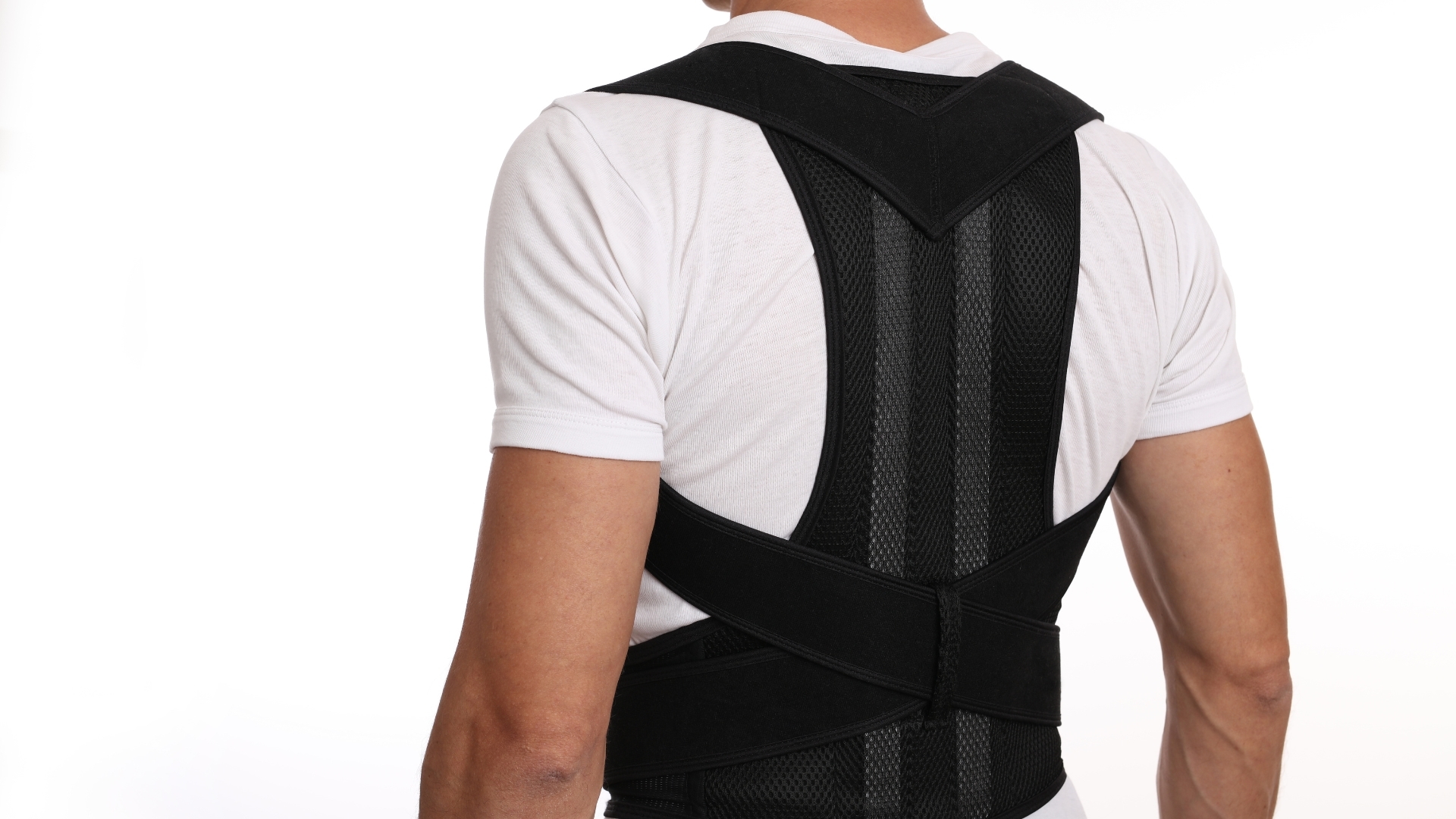
What is the spinal guardian:
The spinal guard is an orthopaedic device used in the conservative treatment of scoliosis, to prevent further deterioration of the curvature of the spine. It is a non-invasive method, which is mainly used in developing children and adolescents. To be effective, it must be worn several hours a day and combined with specific strengthening exercises.
Types of Guardians
There are different types of guardians, each designed to meet the needs of the patient. The Boston scoliosis guardian is the most commonly used spinal guardian.
It covers the waist area and is worn under clothes, offering discretion and comfort. The Milwaukee scoliosis guardian is an older type of guardian, which includes neck support via a metal rod and is used in more severe cases of scoliosis.
On the other hand, guardians based on the Schroth method are manufactured according to the principles of the method, taking into account the three-dimensional deformation of the spine. These guards limit the progression of scoliosis and are adapted to the patient's needs.
Effectiveness and Use
Guardianships are particularly effective when applied correctly and consistently to developing children. However, alone they are not enough.
It is necessary to combine them with specialised physiotherapy exercises, such as those of the Schroth method, to strengthen the muscles of the trunk and maintain the correct posture. The use of a guardian can be demanding, but with the right guidance and support, it is an effective solution for controlling scoliosis, preventing it from worsening and reducing the likelihood of the need for surgery.
Scoliosis in children and adult scoliosis
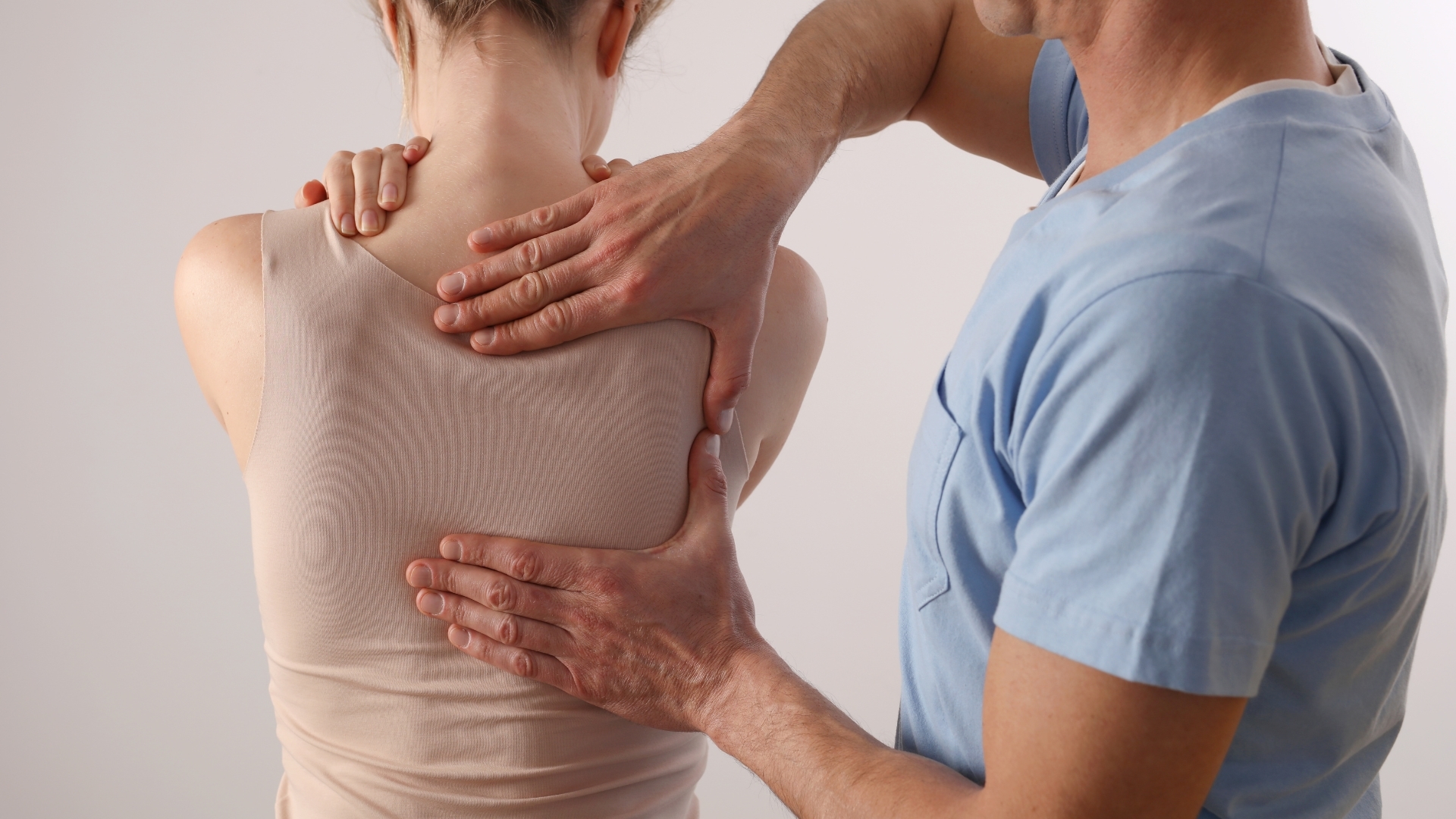
Scoliosis in children
Scoliosis in children is usually idiopathic, i.e. with no known cause, and occurs in three main age groups. Infantile scoliosis (0-3 years) is very rare, accounting for only 1% of cases. See more about the development and care of premature babies here.
Juvenile scoliosis (4-9 years) accounts for 12-21% of cases, while adolescent scoliosis (9-17 years) accounts for 70-80% of cases and is the most common.
Often, children have a spinal discrepancy, which can be identified through various symptoms, such as asymmetry in the shoulders and hips. Regular monitoring is critical to assess the progression or stagnation of scoliosis.
Worsening of symptoms or an increase in Cobb angle may require immediate therapeutic intervention. It is very important that early diagnosis so that the necessary treatment can begin immediately.
Scoliosis in adults
Adult scoliosis can develop after skeletal maturation is complete, usually due to degeneration of the vertebrae or discs. This form is characterised by pain and stiffness.
Exercises and therapy for adults
The Schroth method, although it cannot correct curvature in adults, is used to help the person correct posture in their daily life, avoiding worsening of symptoms. In addition, physical therapy, including exercises for adult scoliosis that are primarily strengthening and mild physiotherapy for maintaining flexibility, is recommended to maintain fitness and prevent stiffness of the spine.