

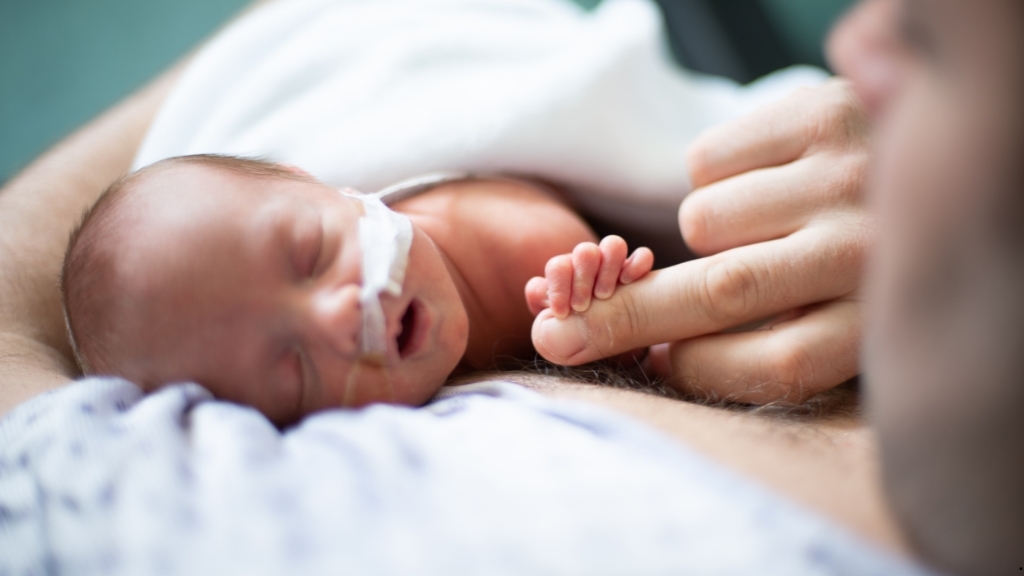
What Are Premature Babies?;
Babies born before 37 weeks are considered premature. The earlier a baby is born and the lower the birth weight, the higher the risk of mortality, complications and problems as the premature baby has not had the necessary time in the womb to fully develop.
Categories of preterm newborns:
- Mildly premature or almost complete: 34-36 weeks
- Moderately premature: 32-34 weeks
- Too soon: 28-31 weeks
- Extremely premature: <28 weeks old
Definition of prematurity - what it means for the development of the infant:

of.
Premature babies often have immature organs, particularly lungs, brain and digestive system, which can lead to respiratory problems, feeding difficulties and an increased risk of infections due to their weak immune system and low levels of antibodies that pass from the mother's blood to the foetus during the third trimester of pregnancy.
In addition, they may experience delays in physical, motor and cognitive development. Premature birth can affect learning and behaviour in the long term.
With early intervention but with the support of specialists, the child's development and quality of life are significantly improved.
Nowadays, the sophisticated and excellent intensive care of newborns from the first moments of their life by the hospital team helps to limit the complications of prematurity and the development of the infant, preventing difficulties that may arise later on.
Survival Chances per Week
Survival rates may vary depending on the country, the level of medical care, hospital policies, technological support, birth weight, complications, etc., but in general they are as follows:
- 22-25 weeks: Very high risk (20-60%) of mortality, but advances in medicine are increasing the rates.
- 26-28 weeks: Significant chance of survival with intensive care (80-95%)
- 29-32 weeks: Most cases have a very good outcome (>95%)
- 33-36 weeks: Often treated as “mild prematurity” - often without serious complications (>98%)
Weight and weeks of pregnancy
|
Gestation Week |
Estimated Weight (g) |
|
22η |
± 430 |
|
25η |
± 660 |
|
28η |
± 1000 |
|
30η |
± 1320 |
|
32η |
± 1700 |
|
33η |
± 1900 |
|
36η |
± 2650 |
|
38η |
± 3000 |
| 39η |
± 3200 |
| 40η |
± 3400 |
Common Symptoms and Complications
Premature birth is associated with a number of challenges for the newborn. Birth before the completion of intrauterine development, and particularly before 32 weeks of gestation, is often accompanied by functional immaturity of organs and systems.
As a result, it may present with characteristic symptoms and be at increased risk for complications that require specialised treatment and systematic monitoring.
Understanding these symptoms and possible effects is vital for early support and care.
Symptoms of Prematurity
- Low birth weight: Premature babies often weigh less than 1,500g, which makes them more vulnerable to complications.
- Difficulty in thermoregulation: They do not have sufficient fat and cannot maintain their temperature without external support.
- Respiratory instability: They have apneas or tachypnea due to immaturity of the lungs and the respiratory centre in the brain.
- Reduced activity: It is more subdued because their nervous system is not fully developed.
- Difficulty in feeding: They do not have a well-developed swallowing reflex and find it difficult to breastfeed or drink from a bottle.
- Icteros: Their liver is immature and does not metabolise bilirubin properly, causing the yellow colour of the skin.
- Increased risk of autism: Premature babies are at greater risk of developing disorders of the autistic spectrum due to brain immaturity and neurodevelopmental complications.
Prematurity complications
- Respiratory distress syndrome (RDS): Caused by the lack of surfactant (a substance produced in the lungs that is vital for breathing) and makes breathing difficult, often requiring oxygen or intubation.
- Bronchopulmonary dysplasia: Long-term lung damage due to prolonged oxygen support or ventilator support.
- Necrotizing enterocolitis (NEC): Severe inflammation in the intestine that can lead to necrosis and emergency surgery.
- Intra-abdominal bleeding: Bleeding in the brain, especially in the first few days of life, which can affect growth.
- Development delays: They may be observed in motor, language or cognitive skills, often requiring early intervention.
- Infections: Their immune system is immature, so they are more vulnerable to serious infections such as sepsis or meningitis.
- Anemia of prematurity: It is caused by reduced red blood cell production and often requires transfusions.
- Retinopathy of prematurity (ROP): Abnormal growth of the retinal vessels that can lead to vision loss.
Hospitalisation - Inpatient and Intensive Care
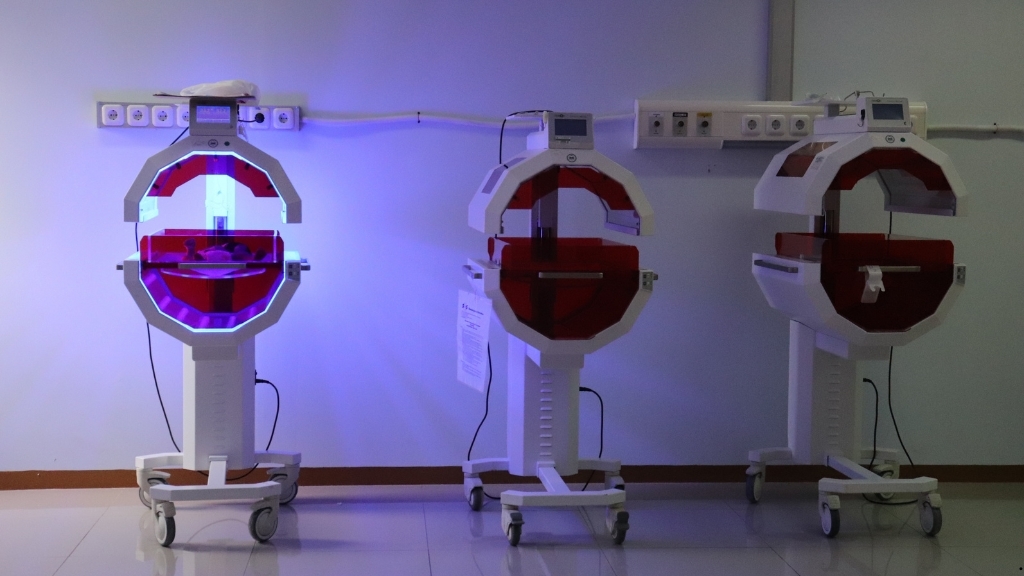
What is an incubator and when is it needed
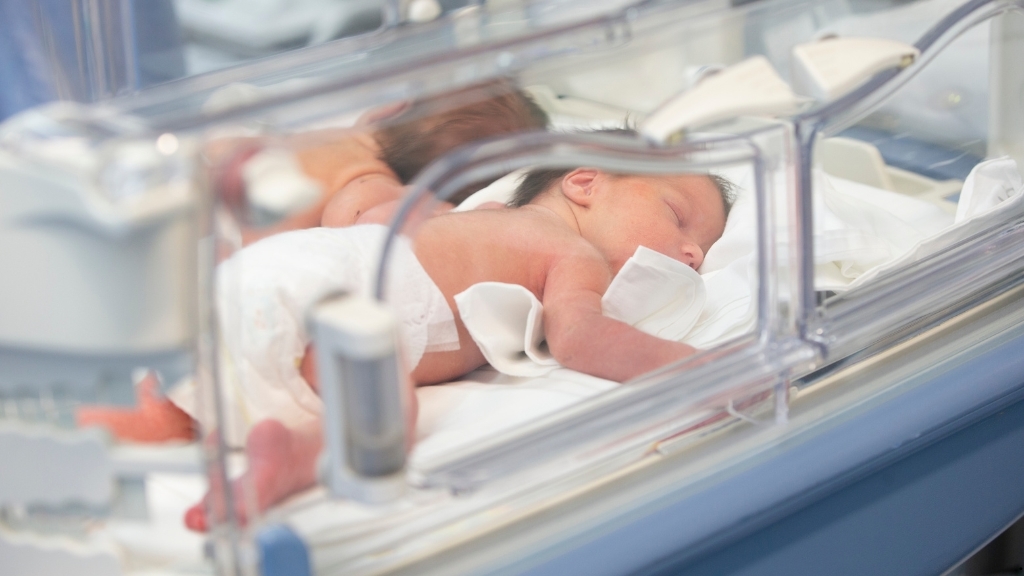
The incubator is a special medical device that offers a controlled environment temperature, humidity and oxygenation, to meet the needs of a premature or vulnerable newborn.
It is required when the infant cannot maintain his or her own temperature, has a low birth weight, respiratory distress or needs increased monitoring.
The incubator also protects against infections and excessive irritation from the external environment.
Breathing and heating support devices
Premature infants may need:
- Oxygen through the nasal tube
- CPAP (continuous positive pressure that keeps the alveoli of the lungs open for better gas exchange) for gentle breathing support,
- Mechanical ventilation (ventilator intubation) in severe cases where precise control of saturation, pressure, air volume and number of breaths is needed
- At the same time, heating systems (such as radiators or incubators) that maintain body temperature at normal levels.
Intensive monitoring of vital functions
In the Neonatal Intensive Care Unit (NICU), they are constantly monitored:
- Heart rate
- Breaths
- Oxygenation (oxygen saturation)
- Blood pressure
- Body temperature
This is done through special sensors and monitors for immediate detection of problems and adjustment of care.
How long does a premature baby stay in intensive care
The length of hospitalisation depends on the week of gestation, birth weight and the presence of complications.
Generally, a premature infant remains in the unit until:
- It breathes on its own
- Sufficiently lubricated by mouth
- Maintains normal temperature outside the incubator
- It weighs about 2000g
- Shows stability in vital functions.
In many cases, it remains until the expected date of delivery or even a little later.
Brain ultrasound - why it is done
Transcranial ultrasound (through the anterior source) is used to image the brain in premature infants.
It is done to be checked:
- The possible presence of intra-abdominal bleeding and leukomalacia
- Any hydrocephalus
- Cystic or ischemic lesions that may be associated with delayed growth
Usual examination days:
- 1st-3rd day of life:
First check for early detection of intra-abdominal bleeding, which is common in the first 72 hours. - 7th-10th day of life:
A second ultrasound to see if there is a new bleed or an extension of an existing bleed. - by day 28 or later (every 1-2 weeks):
Rechecks for the progression of the lesion, development of hydrocephalus or the appearance of leukomalacia (PVL), which often occurs late.
It is a safe, painless and very useful test that is done on specific days of life and repeated if needed.
Feeding and Breastfeeding of a Premature Baby
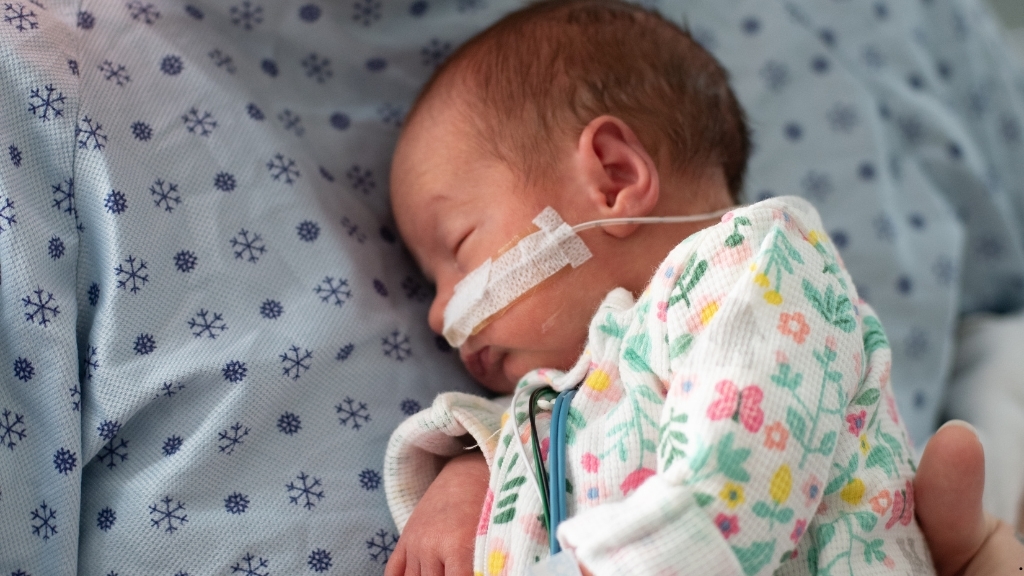
Milk for premature babies (special fortified formulations)
Premature babies have increased nutritional needs for calories, protein, calcium, phosphorus, vitamins and minerals, due to the rapid development and the immaturity of the institutions.
Special milks/drinks:
- Fortified breast milk: A special “fortifier” is added to breast milk to increase its caloric and protein value.
- Preterm formula: these contain a higher concentration of nutrients and are used when breastfeeding is not possible.
- After discharge, post-discharge formulas are often given until the baby reaches the “corrected” 3-6 months.
Frequency & quantities:
In the beginning: every 2-3 hours, even probing (e.g. 10-20 ml).
The amount of milk is gradually increased according to tolerance and weight gain.
The target is 150-180 ml/pound/day, but is modified by neonatologists.
Breastfeeding & breast milk pumping
Breastfeeding is considered a fundamental pillar of care for premature infants because of the unique composition of breast milk and its protective properties. Unlike formula, mother's milk is adapted to the gestational age and needs of the infant.
Ideal biochemical composition
Milk produced by mothers of premature babies (premature milk) has:
- More proteins, essential for tissue growth,
- Higher levels of immune factors (IgA, lactoferrin, lysozyme),
- Fewer carbohydrates and adapted lipids, for easy digestion.
- This adapted profile makes it ideal for the immature gastrointestinal tract of the premature baby.
Protection from infections
Breastfeeding drastically reduces the risk of:
- Necrotizing enterocolitis (NEC), a serious inflammatory bowel disease,
- Sepsis, respiratory infections, urinary tract infections,
- Allergic reactions and future food intolerances.
Support for neurodevelopmental development
Breast milk:
- It contains fatty acids (DHA, ARA) that promote brain and retinal development,
- It is associated with better cognitive performance compared to artificial milks.
Strengthening the mother-infant bond
Even if the baby does not breastfeed directly at first, the ability to offer her milk strengthens the emotional bonding and bonding with her. psychological empowerment of the mother.
Breastfeeding practices of a premature infant
Pumping:
- Pumping should start within the first 6 hours after birth,
- To be done every 2-3 hours, 8-10 times a day, to maintain production,
- With electric breast pump and systematic storage (cooling/freezing) of milk.
Transition to direct breastfeeding:
- The preterm infant usually starts breastfeeding on a trial basis after 33-34 weeks of corrected age, when sucking-swallowing-breathing coordination has developed,
- It is enhanced by skin contact (kangaroo care), which improves the success of breastfeeding.
Bottles and pacifiers for premature infants
The use of bottles and pacifiers in premature infants is an important tool to support feeding, especially when breastfeeding is not immediately possible due to immaturity of swallowing reflexes.
Premature babies have increased care needs and require specialised means to feed them safely, without tiring them or putting them at risk of aspiration.
Bottle:
- Specially designed for premature infants
- Smaller, softer nipples, so that they are not difficult to suck.
- Slow and controlled flow, for safe swallowing and avoiding choking.
- Anticolic mechanisms to reduce air swallowing and discomfort.
- Alternative feeding methods (syringe, cup, SNS) are often preferred until oral coordination is fully developed.
- The ultimate goal is to transition to direct breastfeeding, conditions permitting.
Pacifiers:
- They train the infant in breastfeeding-swallowing-breathing coordination.
- They offer sedative action and support during enteral feeding (e.g. via nasogastric catheter).
Ideal pacifiers:
- Silicone, small size, suitable for premature.
- Specially designed for safety and correct oral movement.
Limited use:
- They should not replace breastfeeding,
- Long-term use may affect oral and dental development.
- They are usually withdrawn gradually after discharge from the ICU.
How much weight should the baby gain per week
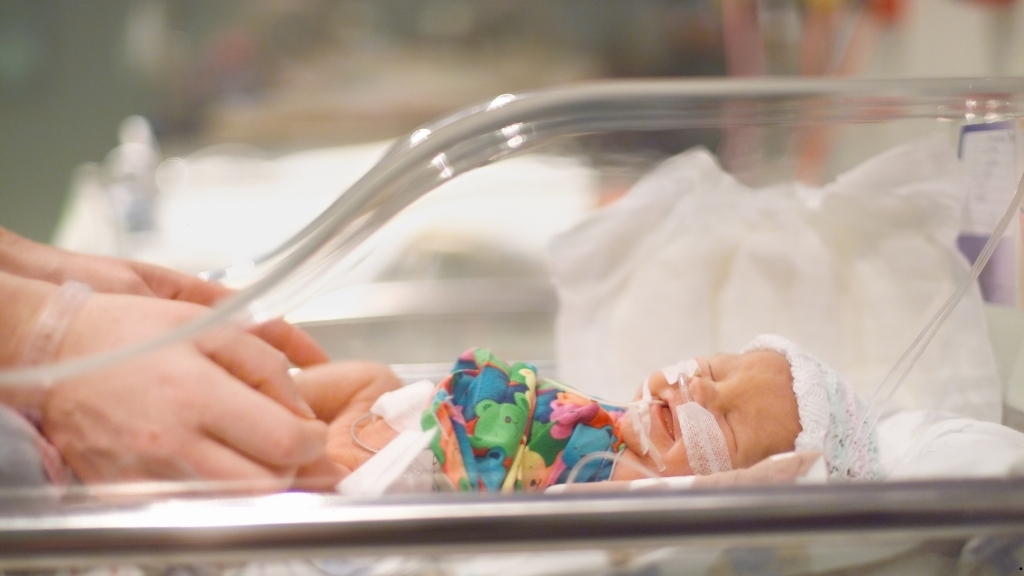
Weight gain in premature infants is one of the key indicators of growth and health, but it depends on many factors, especially initial birth weight, gestational age, general health status and feeding method.
General principle of weight gain
The expected increase in a stabilized premature is approximately:
15-20 grams/kg/day, that is:
~100-140 g/week for infants ~1000g,
~150-200 g/week for infants ~1500g and above.
Indicative weight gain according to birth weight
| Infant category | Birth weight | Expected weight gain/ week |
| Ultra Low Weight (ELBW) | <1000 g | ~80-120 g/week |
| Very low weight (VLBW) | <1500 g | ~100-150 g/week |
| Medium to low weight | 1500-2000 g | ~150-200 g/week |
| Above 2000 g | >2000 g | ~200-250 g/week |
Note: In the first 5-7 24 hours, infants usually lose 5-15% of birth weight, which they regain in about 10-14 days. From then on, steady growth is monitored.
Factors affecting growth
- Type of food: Breast milk with fortifiers or specialised formulations.
- Respiratory status: babies with chronic lung disease may be developmentally delayed.
- Gastrointestinal problems or infections: May reduce intake.
- Neurodevelopmental maturation: affects the ability to feed.
Objective: convergence with intra-mural growth
- The strategy in the NICU is to increase to approach the rate of intrauterine growth (20-30 g/day in the latter stages of pregnancy),
- The aim is for the baby to grow as if it were still in the womb.
Nutrition at home: when to start, how to support
The initiation of exclusive oral feeding at home depends on the ability to breast or bottle feed, weight stability and maturity of reflexes.
Support at home includes:
- Continued use of fortified breast milk or special formulations
- Frequent monitoring by a paediatrician or neonatologist (weight, height, head circumference),
- Dietary monitoring if there are feeding problems or delayed growth.
Η introduction of solid foods starts in the corrected 6th month, in the same order as for full-term infants, but you may need advice from a dietician or speech and language therapist if there are swallowing difficulties or delays.
Growth and Development at Home (200-250 words)
Age adjustment (corrected age vs. chronological)
Chronological age: The age measured from the date of birth.
Corrected (or adjusted) age: Calculated by subtracting weeks of prematurity from the chronological age. For example, if an infant was born at 30 weeks (10 weeks early), then at 6 months of chronological age, the corrected age is 4 months.
Why it is important:
- It is used to assess the growth, motor/cognitive development and nutrition to be followed.
- Age-adjusted age is applied up to 18-24 months, depending on prematurity.
Weight and height gain trajectory
Premature babies are usually smaller in weight and height than full-term babies and their growth rate depends on many factors: week of gestation, birth weight, complications, nutrition and environmental stimuli.
After birth, a delay in growth is often observed in the first few weeks, especially in extremely premature or hospitalized infants. However, with proper care and nutrition, the growth of premature infants gradually progresses and catches up.
Their progress is monitored by special growth curves (Fenton, Intergrowth) up to 50-52 weeks gestational age and then with the WHO curves.
The expected weekly weight gain ranges from:
- 15-20 gr/day for premature babies under 2 kg,
- 20-30 gr/day for older infants.
Recovery of lost birth weight is usually completed in the first 2-3 weeks of life.
Physical development is monitored at least monthly in the first year and reassessed on the basis of age-adjusted growth.
Kinetic development
Premature infants may have delays in motor milestones such as:
- head lifting
- roll
- sitting position
- crawl
- walking
This is due to immaturity of the neuromuscular system, hypotonia or complications such as cerebral haemorrhages or perinatal asphyxia. At the same time, they may show less spontaneous movement and difficulty in controlling positions.
Physiotherapy in premature infants plays an important role in supporting their motor development.
The timely evaluation and intervention by a paediatric physiotherapist helps to prevent or minimise such difficulties, to facilitate normal motor development and to enhance the infant's interaction with its environment.
When physiotherapy starts:
- It can be started in the NICU (neonatal unit) in severely premature or high-risk infants.
- Continued after discharge with monitoring by a qualified physiotherapist.
Objectives of physiotherapy:
- Strengthening muscle tone and control of head and torso position.
- Improving coordination of movements and symmetry.
- Facilitate the manifestation of physiological developmental stages (e.g. rolling, crawling, walking).
- Provide instructions to parents on correct handling and feeding/sleeping/playing positions.
Frequent interventions:
- Activities to strengthen the trunk and posture based on the stages of motor development
- Games and exercises with auxiliary equipment (balls, rollers, wedges) that reinforce the baby's future efforts
- Exercises sensory integration, especially in infants with hypersensitivity
Citation:
- It is recommended in premature <32 weeks, infants with prolonged hospitalization, evidence of delay or neurological findings.
Cognitive and language development
The cognitive development of premature infants can be affected by brain immaturity, especially in infants under 32 weeks of age. Effects may be transient or persistent if there are concomitant complications (e.g. cerebral haemorrhage, chronic lung disease).
Cognitive and language development often progresses at a similar rate, but there may be difficulties with concentration or speech delay.
Early intervention and assessment by specialists (developmental and speech therapist) is important.
Frequent events:
- delay in perceiving or responding to stimuli
- difficulties in language development (e.g. speech delay, poor vocabulary),
- difficulty concentrating or organising play at an older age.
Early intervention and assessment by specialists (developmental, speech and language therapists, occupational therapists) is important and should be regular, while preventive intervention can be included in early intervention programmes (e.g. speech therapy, occupational therapy).
Parental involvement is crucial. Interaction, singing, reading, eye contact and stability in routine are «foundations» of cognitive development.
Vaccines in premature babies - delayed or not
Immunisation of preterm infants is extremely important, as these infants are more vulnerable to infections due to the immaturity of their immune system, prolonged hospitalisation and possible medical interventions (e.g. respiratory support, central lines, surgery).
Basic principle:
Premature infants should be vaccinated at the same chronological age (i.e. based on their date of birth), without delaying or waiting for them to “mature” further or reach a certain weight, unless there are serious medical contraindications.
Key points:
- Vaccines are not delayed due to prematurity, except in rare cases of severe instability
- All basic vaccines (e.g. diphtheria, tetanus, pertussis, polio, pneumococcal, meningitis, measles, etc.) are given at the same age as for term infants
- Some paediatricians monitor the reactivity of the premature infant a little more closely after the first vaccines, especially if there is a history of respiratory instability
Special recommendations for premature:
RSV vaccine (palivizumab):
It is not a “vaccine” in the typical sense, but a prophylactic monoclonal antibody against the virus RSV (which causes severe bronchiolitis).
It is given to selected premature infants (usually under 29 weeks of age or with associated cardiorespiratory problems) in the months of high virus circulation (autumn-winter).
Hepatitis B vaccine:
In infants <2 kg, the first dose may be delayed until the infant is stable, unless the mother is HBV antigen positive, in which case it is given normally with specific instructions.
Why are vaccines even more important in premature infants?;
- They have reduced maternal antibodies (especially if they are born too early).
- They are more likely to be hospitalised and have a higher likelihood of complications from viral and bacterial infections.
- Even mild infections in full-term infants can be serious or threatening to a premature baby.
Sleep and daily routine of premature infants
Ο sleep is a key pillar of the development of the premature infant, as it relates to the maturation of the brain, the regulation of hormones and the neurodevelopmental evolution. Premature babies initially have unclear sleep-wake cycles, which gradually become organised.
Main sleep characteristics of premature infants:
- Shorter duration of continuous sleep compared to full-term infants.
- Frequent awakenings due to hunger or discomfort.
- They spend more of their sleep in REM sleep (important for CNS development).
- The sleep-wake cycle begins to stabilize around the corrected 3rd month.
Recommendations for healthy sleep:
- Always sleep in a supine position (on your back) to reduce the risk of sudden death.
- Stable environment: dark at night, bright during the day - helps regulate the biological clock.
- Calm sleep routine with fixed hours and gentle transition.
- Use of white noise or low volume tunes can help to calm down.
Returning home: what parents need to watch out for
Bringing a premature infant home is an important but stressful step for parents. It usually takes place when the infant:
- Can be fed orally (breast or bottle feeding).
- Breathing without support or with a constant level of oxygen.
- Maintains normal temperature without an incubator.
- It has steady weight gain.
Instructions for the house:
- Environment is calm, clean, no smoke or sick guests.
- Possibly use home oxygen monitoring or other home monitor if recommended by the doctor.
- Regular medical monitoring by a paediatrician and/or developmental physician.
- Parent education on feeding, medication, crisis management (e.g. apnea).
- Information on development milestones and when to request further assessment.
- Beware of visits and social contacts in the first few months to avoid infections.
Stories of premature babies - encouraging testimonials
Parents who followed a programme counselling and early intervention physiotherapy intervention report spectacular results:
E. 6 years old
E. was born at 27 weeks due to pre-eclampsia of the mother, with a B.G. of 930 g, she did not cry immediately, she came back with resuscitation, as the mother tells us “born purple”. He stayed in the ICU for 3 months.
After her hospitalization and alongside the standard developmental follow-up at 3, 6, 9 and 12 months, all developmental stages were typically recorded (walked at 12 months, said first words at 12 months, made sentences at 2 years, and mastered sphincter control at 3 years.
She has been attending occupational and speech therapy since the age of 4 years old with excellent progress and has been smoothly integrated into kindergarten!
R. 8 years old
R. was born at 29 weeks of gestation due to total placental abruption and internal bleeding of the mother, with a B.G. of 1750 g. He remained in the NICU for 38 days supported with oxygen due to low saturation. He attended an early intervention physical therapy program from 4 months of age and walked at 17 months (i.e., approximately 12 months of corrected age).
The child is now attending formal school in the first grade after re-enrolling in kindergarten. He attended special therapies throughout pre-school and the parents, despite the upset of his background, are happy and satisfied with his progress, supporting him continuously at every step.
These stories are a reminder that, with the right intervention and guidance, premature babies can have unlimited possibilities. Parents, when surrounded by experts and empowered through information and support, are transformed into most important allies the development of their children.
Products and Equipment for Premature Babies
Caring for a premature baby requires specialised products and equipment to meet its specific needs.
Clothes for premature babies, such as overalls, tights and hats, are smaller and made of hypoallergenic materials for sensitive skin.
Diapers should be specially sized for premature babies, offering comfort and protection without irritating the skin.
Soft, cotton and seamless sheets are ideal for their tiny beds. Special octopus pads help to calm baby, while ergonomic pillows support the correct position of the body and head.
For gifts, opt for practical and safe items such as clothes, pacifiers or soft toys.
Pacifiers and bottles for premature babies are smaller and made for gentle sucking, while Pampers' advertisements promote products made specifically for premature babies, with respect to their needs.
Premature Birth & Psychological Support for Parents
Premature birth is a difficult experience that is often accompanied by an intense psychological burden for the parents. Fear for the baby's health, prolonged hospitalisation in neonatal intensive care units and the uncertainty of the situation cause anxiety, sadness and often guilt.
Η psychological support, is crucial for empowering parents, helping them to manage their emotions and stand firmly by their child.
At the same time, the physiotherapeutic intervention in premature newborns helps their motor development and adaptation to the extrauterine environment.
Participation in forums and support groups for parents offers practical help and emotional understanding from people with similar experiences.
Η 17 November, World Prematurity Day, is an opportunity to raise awareness and support for these families.
If you know a parent with a premature infant, the most important thing you can offer is empathy and your presence.
Often, these parents experience intense anxiety, uncertainty and emotional isolation. Therefore, they need to feel supported and accepted. It is very helpful to share their experiences with parents who have had similar experiences with their children in order to feel solidarity and understanding.
Some parents find refuge in their religious beliefs, seeking comfort and hope through prayer. St. Stylianos, the patron saint of children, is regularly mentioned in Christian tradition as a balm for the difficult time of parenting...
Encourage them to seek support - either through psychological help, or by joining support groups or forums for parents of premature babies. Don't forget to remind them that they are not alone- there are people and structures that understand and can help substantially.